Key Facts
- What. Prime Minister Christopher Luxon, who ruled out Opportunity in the campaign, now wants to "build a relationship" with it.
- Seats. Preliminary count: National 42, Labour 36, Greens 16, ACT 13, NZ First 12, Opportunity 7, Te Pāti Māori 5.
- Margin. National, ACT and NZ First hold 67 of 131 seats; a majority needs 66.
- Next. About 399,000 special votes are uncounted; official results are due Friday, 27 November.
- Prediction markets. Kalshi puts Luxon at 93% to be prime minister (9 November, 10:24 a.m. ET).
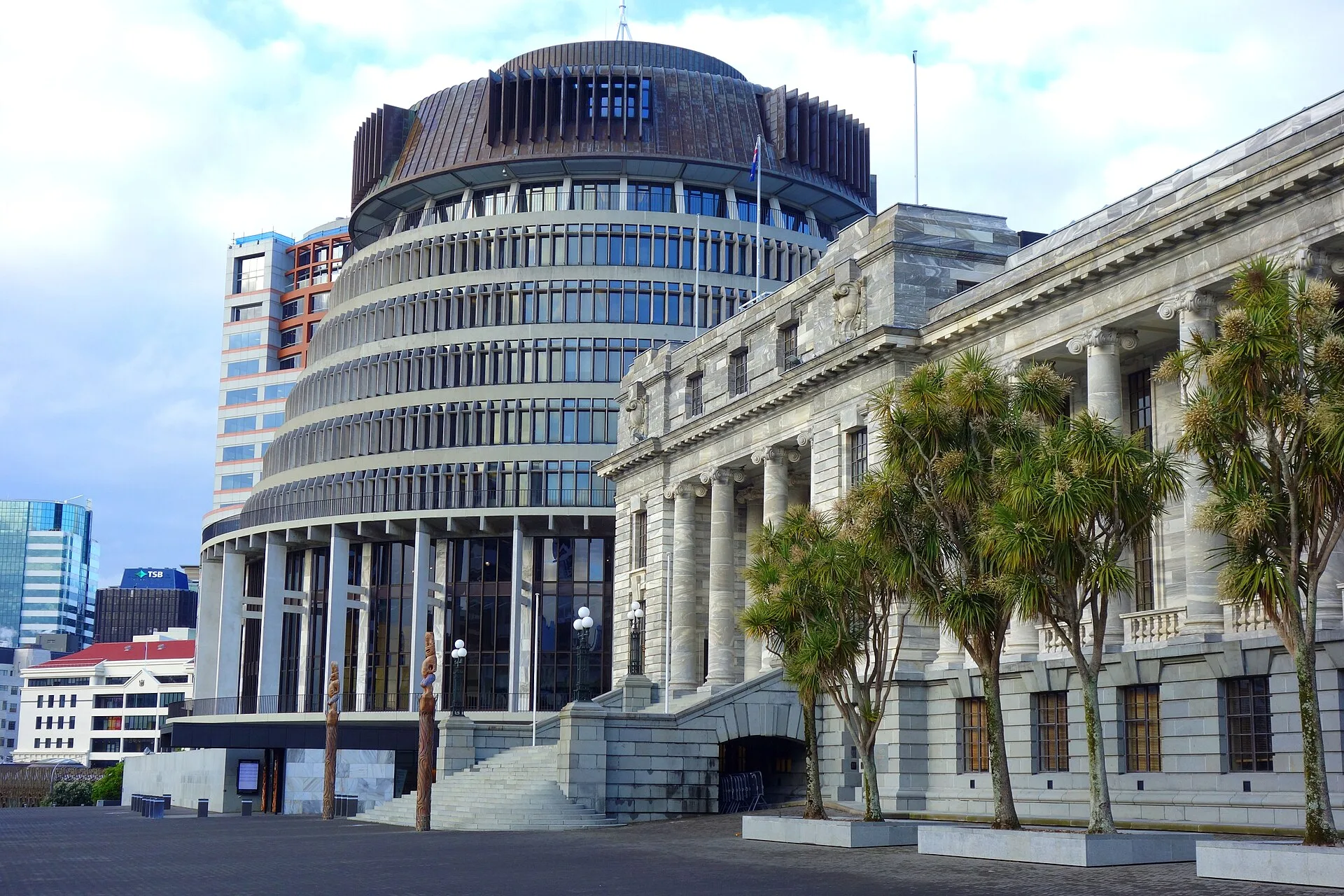
New Zealand's prime minister has begun to warm to a party he ruled out during the campaign. Christopher Luxon, leader of the centre-right National Party, said on Sunday, 8 November (New Zealand time), that he wants to "build a relationship" with the Opportunity Party and its leader, Qiulae Wong.
The talk follows the New Zealand general election of 7 November, which left no clear winner. Opportunity, a new party, took about 6% of the party vote and seven seats, and it may hold the balance of power.
Luxon Reaches Toward a New Party
Luxon had ruled out working with Opportunity during the campaign. Asked whether he was about to reverse that stance, he called it "highly unlikely" and added: "As we currently stand today, we don't need Opportunity to form a Government."
He said the two parties differ on tax but share views on KiwiSaver, the national retirement savings scheme. He said they could also cooperate on artificial intelligence, infrastructure and social media bans.
Luxon said he might talk informally with other party leaders. But "no negotiations will be kicking off in earnest until we have official results," he said, and he urged New Zealanders to "calm down" for three weeks.
The Numbers Behind the Margin
The preliminary count excludes special votes, which come from people on the unpublished roll, people overseas and people who vote away from their home polling place. About 399,000 of them, roughly 14% of all votes, are still to be counted.
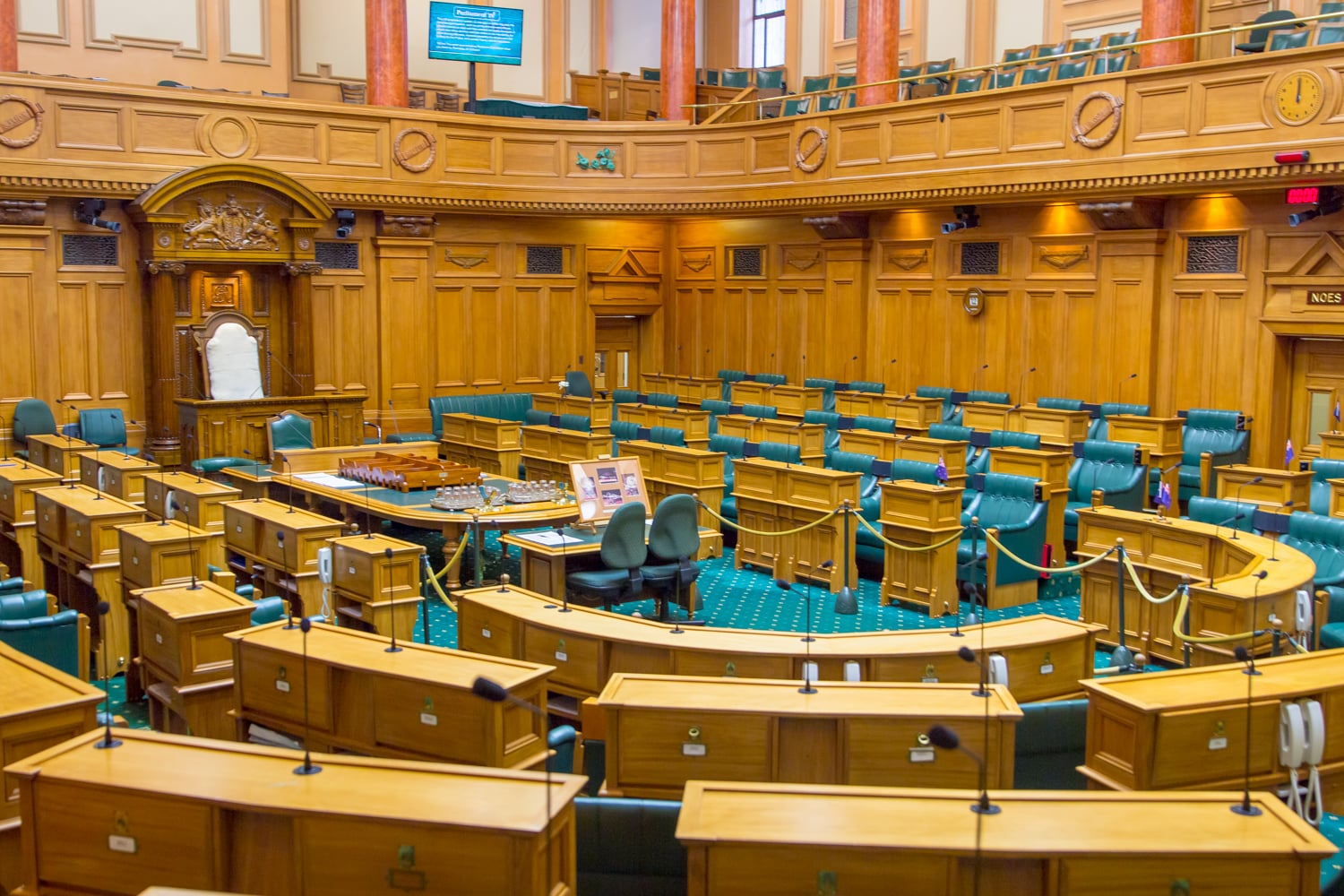
National, ACT and NZ First, the current coalition, hold 67 of 131 seats against a majority line of 66. Labour, the Greens and Te Pāti Māori, the Māori party, hold 57, or 64 with Opportunity, so the left would still fall short.
Labour won slightly more votes than National, 29.36% to 29.21%, but National won more seats. Parliament has 131 seats, not the usual 120, because 11 extra "overhang" seats arise when parties win more local seats than their party vote entitles them to.
The Kingmaker Question
Wong said Labour leader Chris Hipkins and Greens co-leader Chlöe Swarbrick had called her, and that Luxon had not. Luxon said he had not spoken to her since the result.
Wong has said she is open to working with either side. Her party's rules require 75% approval from its board for any coalition or confidence-and-supply deal, an agreement to back a government on key votes, so its MPs cannot decide alone.
What Prediction Markets Say
On Kalshi, a US exchange regulated by the CFTC, the market for New Zealand's next prime minister gave Luxon 93%, Hipkins 6% and Wong 3% on 9 November at 10:24 a.m. ET. About 31,000 contracts had traded.
Why we show this: prediction markets turn real-money bets into a live probability that moves within minutes of the news, which is why investors, campaigns and newsrooms in the United States now follow them closely. We show them next to polls and official results, never instead of them.
What It Means for US Readers
New Zealand is 18 hours ahead of US Eastern Time in November, so a declaration on Friday, 27 November in New Zealand could land on Thursday, 26 November in the US. The clock time has not been announced.
Readers can follow the count at electionresults.govt.nz, the Electoral Commission's official site. The Rio Times keeps its New Zealand election hub updated.
What Is Not Known
Special votes could move seats and change who needs whom. No formal timetable for coalition talks has been published, and it is not clear which party Wong will speak to first.
Frequently Asked Questions
Has New Zealand's election produced a government yet?
No, the result is preliminary and excludes about 399,000 special votes. The Electoral Commission is due to declare the official result on Friday, 27 November.
Does Luxon need the Opportunity Party?
Luxon says that as things stand he does not need it to form a government. His coalition holds 67 of 131 seats, one above the majority line, so special votes could change that.
Why does Parliament have 131 seats?
Eleven overhang seats were added because National and Te Pāti Māori won more local seats than their party votes entitle them to. Parliament normally has 120 seats.
This article was produced by The Rio Times’ automated AI newsroom. Editorial responsibility: Matthias Camenzind, Publisher and Editor-in-Chief. The Rio Times also runs Ask Rio Times, which answers from 100,000+ of our own articles, the daily Latin America Power Map, and prediction-market odds on elections and markets.. How we use AI · Report an error
Read More from The Rio Times