Seven Huambo Municipalities To Join Angola’s Public Electricity Grid
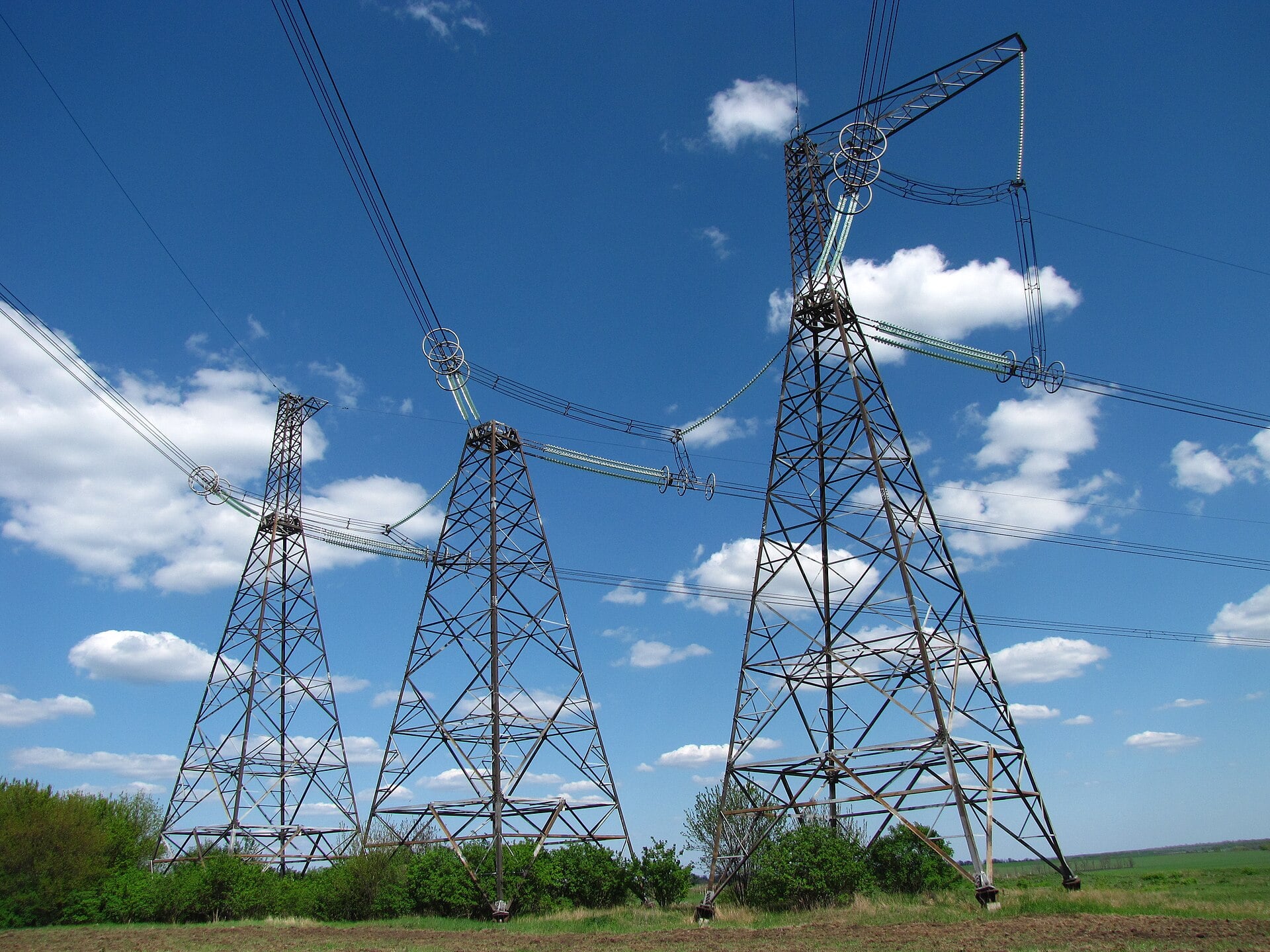
Angola · INFRASTRUCTURE
Key Facts
New connections: Seven municipalities in Huambo province — Alto Hama, Londuimbali, Longonjo, Chinjenje, Ucuma, Ecunha and Mungo — will be linked to the Rede Eléctrica Nacional in the coming days.
Completion status: The provincial government reported the interconnection work is about 80% complete as of the latest notice.
Separate electrification project: A broader Huambo programme covers Ucuma, Chinjenje, Longonjo, Alto Hama, Londuimbale and Chipipa, valued at more than US$60 million, with 15 substations and over 4,000 household connections.
Transmission backbone: Huambo is already part of Angola’s interconnected northern-central grid, with the next major phase being the 400 kV Huambo–Lubango line financed by the African Development Bank.
Financing mix: Angola’s power sector draws on World Bank funding of US$250 million, US$167 million from France’s AFD, US$530 million from the AfDB and a China Development Bank loan of US$340 million for the Laúca-Huambo line.
Strategic goal: The Huambo–Lubango interconnection is designed to move low-cost hydropower southward, add 2,250 MW of transmission capacity and cut diesel dependence in southern provinces.
Seven municipalities in Angola’s central Huambo province will soon join the national public electricity grid, the provincial government has announced, marking a milestone in a multi-year push to extend the Rede Eléctrica Nacional across the Central Plateau.
Which municipalities are being connected to the Huambo electricity grid
The provincial government of Huambo confirmed that Alto Hama, Londuimbali, Longonjo, Chinjenje, Ucuma, Ecunha and Mungo will be linked to the national grid in the coming days. The interconnection work is about 80% complete, according to the latest official notice, and is being executed across several neighbourhoods within those municipalities.
These seven localities join a growing list of electrified areas in the province. Earlier reporting identified Huambo city, Caála, Bailundo and the commune of Calenga as already connected to the grid, reflecting a steady expansion of coverage on the Central Plateau.
Angolan energy officials have framed the connections as part of a broader modernisation drive for municipal seats. The government has repeatedly tied new grid access to economic development goals for the region, which sits at the heart of Angola’s agricultural and logistical corridor.
A separate US$60 million project expands the reach
Beyond the imminent connections, the provincial energy ministry has described a distinct electrification programme covering six locations: Ucuma, Chinjenje, Longonjo, Alto Hama, Londuimbale and the locality of Chipipa. That project carries a budget of more than US$60 million and a planned delivery timeline of 12 months, with phased completion expected by the end of 2026.
The scope includes 15 substations, public lighting installations and more than 4,000 household connections. Officials estimate the work will directly benefit over 400,000 inhabitants across the targeted municipalities.
Taken together, the two sets of connections — the seven municipalities nearing completion and the six-locality US$60 million programme — represent a significant acceleration of grid access in a province that has long relied on isolated diesel generation and limited distribution infrastructure.
Huambo’s place in Angola’s national grid strategy
Huambo is already integrated into Angola’s northern-central interconnected backbone, one of 10 provinces in that system. The Laúca hydroelectric dam and its associated transmission lines supply power to Luanda, Huambo, Huíla, Malange and Kwanza Norte, according to the United States International Trade Administration.
The Laúca-Huambo transmission line itself was financed by a US$340 million loan from the China Development Bank, signed with Angola’s government in 2016, with a US$400 million commercial contract awarded to CMEC. That line, completed in April 2019, was designed to evacuate power from Laúca and cement Huambo as a central node in the country’s transmission architecture.
The next strategic leap is the 400 kV Huambo–Lubango backbone transmission project, financed by the African Development Bank under the Energy Sector Efficiency and Expansion Program. That line is intended to connect the central and southern grids, moving low-cost hydropower southward and reducing dependence on expensive, polluting diesel generators in provinces such as Huíla and Namibe.
Who is financing Angola’s electrification push
The Huambo connections sit inside a large and diverse investment cycle. The World Bank approved US$250 million in February 2021 for Angola’s Electricity Sector Improvement and Access Project, with an additional US$167 million from Agence Française de Développement, to finance electrification in Luanda, Benguela, Huila and Huambo. That package targets 196,500 new electricity connections and 93,857 public lights.
The African Development Bank separately committed US$530 million to the central-south transmission line package, comprising US$480 million from the bank itself and US$50 million from the Africa Growing Together Fund. That fund is sponsored by the People’s Bank of China and administered by the AfDB, creating a financing blend that mixes Western development finance with Chinese-linked capital.
The AfDB has said the Huambo–Lubango line will increase transmission capacity by 2,250 megawatts and eliminate the need for diesel generators in southern provinces. This combination of World Bank, AFD, AfDB, Chinese and Angolan state financing makes the power sector a revealing venue where competing development models converge on the same infrastructure, a dynamic explored in Africa: The New Scramble.
What the grid expansion means for the Central Plateau
For the municipalities themselves, grid access promises to replace costly diesel generators and unreliable off-grid solutions with a stable electricity supply. That shift has direct implications for small businesses, cold storage for agricultural produce, health clinics and schools across a province that serves as Angola’s agricultural heartland.
The Power Africa initiative has noted that the integrated corridor is designed to bring low-cost hydropower southward, improve access rates and prepare Angola for eventual linkage to regional electricity markets. A more interconnected grid also strengthens Angola’s ability to trade power with neighbours in the Southern African Power Pool, though that ambition remains a longer-term goal.
Angolan energy officials have presented the Huambo electrification drive as a provincial development priority. The latest notice from the provincial government frames the imminent connections as a step toward ensuring that municipal seats across the Central Plateau are fully integrated into the national network.
What to watch next on Angola’s grid
The immediate milestone is the final 20% of work needed to bring Alto Hama, Londuimbali, Longonjo, Chinjenje, Ucuma, Ecunha and Mungo onto the grid. The provincial government has signalled that interconnection will happen in the next few days, though no exact date has been published.
Beyond that, attention will turn to the US$60 million six-municipality programme and its delivery timeline through the end of 2026. The larger strategic prize remains the Huambo–Lubango 400 kV backbone, which will determine how quickly Angola can unify its northern, central and southern grids into a single national system and begin to think seriously about regional power exports.
For investors and development partners, the Huambo connections are a tangible sign that Angola’s electrification programme is moving from planning to execution, even as the financing architecture behind it reflects the broader geopolitical contest shaping infrastructure across the continent.
More: Angola news in English, every day from The Rio Times.
Frequently Asked Questions
Which municipalities in Huambo are being connected to the electricity grid?
Alto Hama, Londuimbali, Longonjo, Chinjenje, Ucuma, Ecunha and Mungo will be linked to the Rede Eléctrica Nacional in the coming days, with work about 80% complete.
How much is Angola spending on Huambo’s electrification?
A separate provincial programme covering six localities is valued at more than US$60 million, while the broader national electrification effort draws on US$250 million from the World Bank and US$530 million from the African Development Bank for transmission lines.
What is the strategic importance of connecting Huambo to the national grid?
Huambo is a central node in Angola’s transmission backbone, and the planned Huambo–Lubango 400 kV line will move hydropower southward, add 2,250 MW of capacity and cut diesel dependence in southern provinces.
Connected Coverage
Angola’s grid expansion is part of a continent-wide infrastructure race shaped by competing development finance models, a theme explored in our pillar series Africa: The New Scramble.
Sources
This article was produced by The Rio Times’ automated AI newsroom. Editorial responsibility: Matthias Camenzind, Publisher and Editor-in-Chief. The Rio Times also runs Ask Rio Times, which answers from 100,000+ of our own articles, the daily Latin America Power Map, and prediction-market odds on elections and markets.. How we use AI · Report an error
LatAm Markets: Live Signals → — real-time movers, turnover leaders and FX across Latin America.