São Paulo Prosecutors Say the PCC Controls 12 of 22 City Bus Companies as Milton Leite Faces Arrest
BRAZIL · ORGANISED CRIME
Key Facts
- —What happened Federal police obtained an arrest warrant for Milton Leite, a former São Paulo city council president.
- —What is being investigated Infiltration of São Paulo’s bus-transport sector by the PCC, Brazil’s largest criminal faction.
- —The scale prosecutors describe The state prosecutor’s office says twelve of the city’s twenty-two bus operators are controlled by the faction.
- —What Leite says He denies being a fugitive and says he will turn himself in within twenty-four hours.
- —A separate finding His sons received R$3.7 million (US$718,000) from the União Brasil party for campaign purposes.
- —What is not established No court has ruled on the allegations, and Leite has not been convicted of anything.
Twelve of twenty-two operators, according to the state prosecutor’s office, in a city of twelve million people.
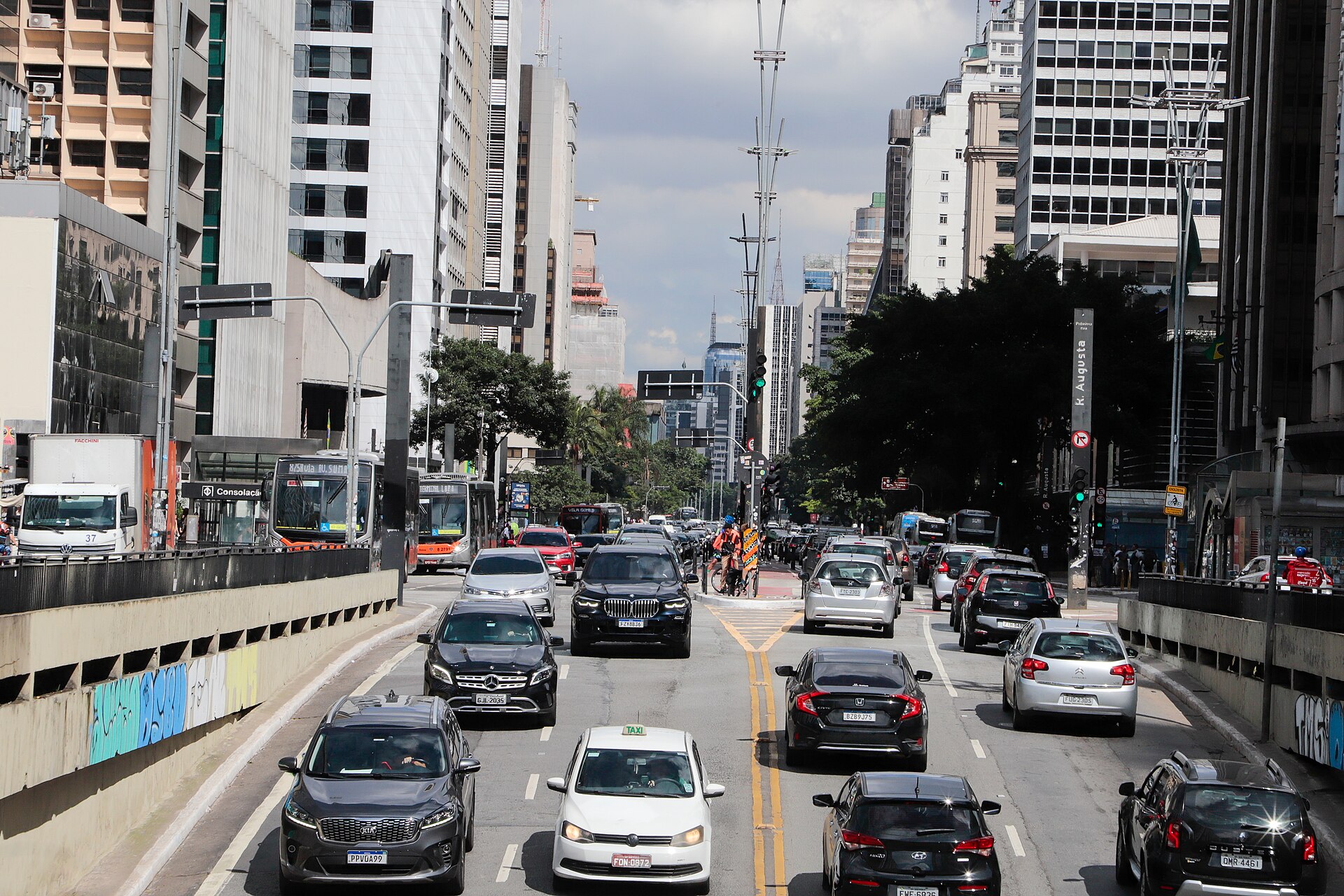
Brazilian federal police have issued an arrest warrant for Milton Leite, former president of São Paulo’s city council. The operation investigates infiltration of the city’s bus-transport sector by the PCC, Brazil’s largest criminal faction.
What the Operation Covers
Federal police are investigating how organised crime moved into the contracts that run São Paulo’s buses. The city is Brazil’s largest, and its bus network carries millions of passengers every working day.
The PCC, or Primeiro Comando da Capital, began in São Paulo’s prison system in the 1990s. It has since expanded into legitimate businesses, which is the pattern this investigation describes.
The Number That Drew Attention
São Paulo’s state prosecutor’s office says twelve of the twenty-two companies operating city buses are controlled by the faction. Estadão quoted the office describing the finding with the phrase salta aos olhos, meaning it jumps out at you.
That is more than half the operators in a single municipal system. The prosecutors have not published the list of the twelve companies.
Who Milton Leite Is
Leite is a long-serving São Paulo politician and a former president of the câmara municipal, the city council. That post controls the legislative agenda of Brazil’s biggest city government.
He has not been convicted of any offence in this case. An arrest warrant is a step in an investigation, not a finding of guilt.
His Response
Leite denies that he is a fugitive from the warrant. He says he will present himself to the authorities within twenty-four hours.
That is a meaningful distinction under Brazilian procedure. Voluntary surrender can affect how a court treats the custody question at the first hearing.
The Party Payment
Separately, it emerged that Leite’s sons received R$3.7 million from União Brasil, a party inside the governing coalition’s orbit. That is about US$718,000 at the rate of 17 September 2026.
The payment was described as being for campaign purposes. Party transfers to candidates are legal in Brazil, and this detail has not been characterised as unlawful by prosecutors.
Why Transport Contracts Attract Organised Crime
Municipal bus concessions combine steady public payments with cash fare revenue and large vehicle fleets. That mix is attractive to any organisation looking to move money through a legitimate business.
Brazilian investigators have described similar patterns in fuel distribution and private security. The bus finding fits a longer arc rather than standing alone.
What This Means for Residents
For people living in São Paulo, no service change has been announced. The investigation concerns ownership and contracts, not the operation of routes today.
The practical question is what the city does with concessions held by companies named in the case. Cancelling a concession mid-term is slow, and the city has not said whether it will try.
What Is Not Yet Known
The twelve companies have not been named publicly. Nor has the prosecutor’s office explained how control was established in each case.
It is also unclear whether the city government knew of the findings before the operation. No timeline of what was shared with the municipality has been released.
How Brazilian Investigations of This Kind Usually Run
An operation of this size normally produces search warrants, asset freezes and a first round of testimony within weeks. Charges, if they follow, come later.
Brazilian courts have repeatedly narrowed or overturned early decisions in large organised-crime cases. The first version of an investigation is rarely the final one.
What to Watch
Whether prosecutors publish the names of the twelve companies. That is the step that would let the city and its passengers check the claim.
Whether Leite surrenders within the twenty-four hours he promised. And whether São Paulo’s city government reviews any concession named in the case.
More: Brazil news and analysis, every day from The Rio Times.
Frequently Asked Questions
Who is Milton Leite?
A São Paulo politician and former president of the city council, now the target of an arrest warrant.
What is the PCC?
The Primeiro Comando da Capital, Brazil’s largest criminal faction, formed in São Paulo’s prison system.
How many bus companies are involved?
The state prosecutor’s office says twelve of the city’s twenty-two operators are controlled by the faction.
Has Leite been convicted?
No. An arrest warrant is an investigative step, and no court has ruled on the allegations.
What did he say?
He denies being a fugitive and says he will surrender within twenty-four hours.
Are São Paulo buses still running?
Yes. No service change has been announced, and the case concerns ownership and contracts.
Sources: Brazilian federal police operation and São Paulo state prosecutor’s office findings as reported by Estadão, 17 September 2026; exchange rate from open.er-api.com, 17 September 2026.
This article was produced by The Rio Times’ automated newsroom system. How we use AI · Report an error
Read More from The Rio Times