Betting Advertising Ban Clears First Vote in São Paulo
Brazil · São Paulo
Key Facts
- —What happened Councillors in São Paulo, Brazil’s largest city, gave first-round approval to a bill barring betting adverts at sporting events.
- —What it covers Boards and banners in stadiums and gyms, adverts on municipal buses, and public places the city runs or licenses.
- —What it leaves out Players’ shirts and private venues such as bars, although the author says shirts may be added later.
- —The catch The text still needs a second and final vote and the mayor’s signature, and no date has been set.
- —The penalty A fine of R$50,000 (about US$9,700) for each breach, plus suspension of the offender’s licence for up to 30 days.
- —Who runs the city São Paulo, home to more than 11 million people, is governed by Mayor Ricardo Nunes of the centrist MDB.
Councillors in Brazil’s largest city want betting brands off stadium boards and city buses. Two hurdles remain before the bill becomes law.
A betting advertising ban has cleared its first vote in São Paulo, Brazil’s largest city. Councillors approved the text on Wednesday 23 September 2026.
The measure would strip betting brands from stadium boards, city buses and public spaces run by the city hall. It still needs a second vote.
Bets, as Brazilians call online betting companies, have been licensed in Brazil only since the start of 2025. The political backlash has been fast.
What the bill would forbid
The text is Projeto de Lei 560/2025, a bill from city councillor João Jorge of the centrist MDB party. The chamber lists 19 co-authors from eight parties.
It bans direct and indirect advertising by sports betting companies and online games of chance at sporting events in the city. Amateur and professional events are both covered.
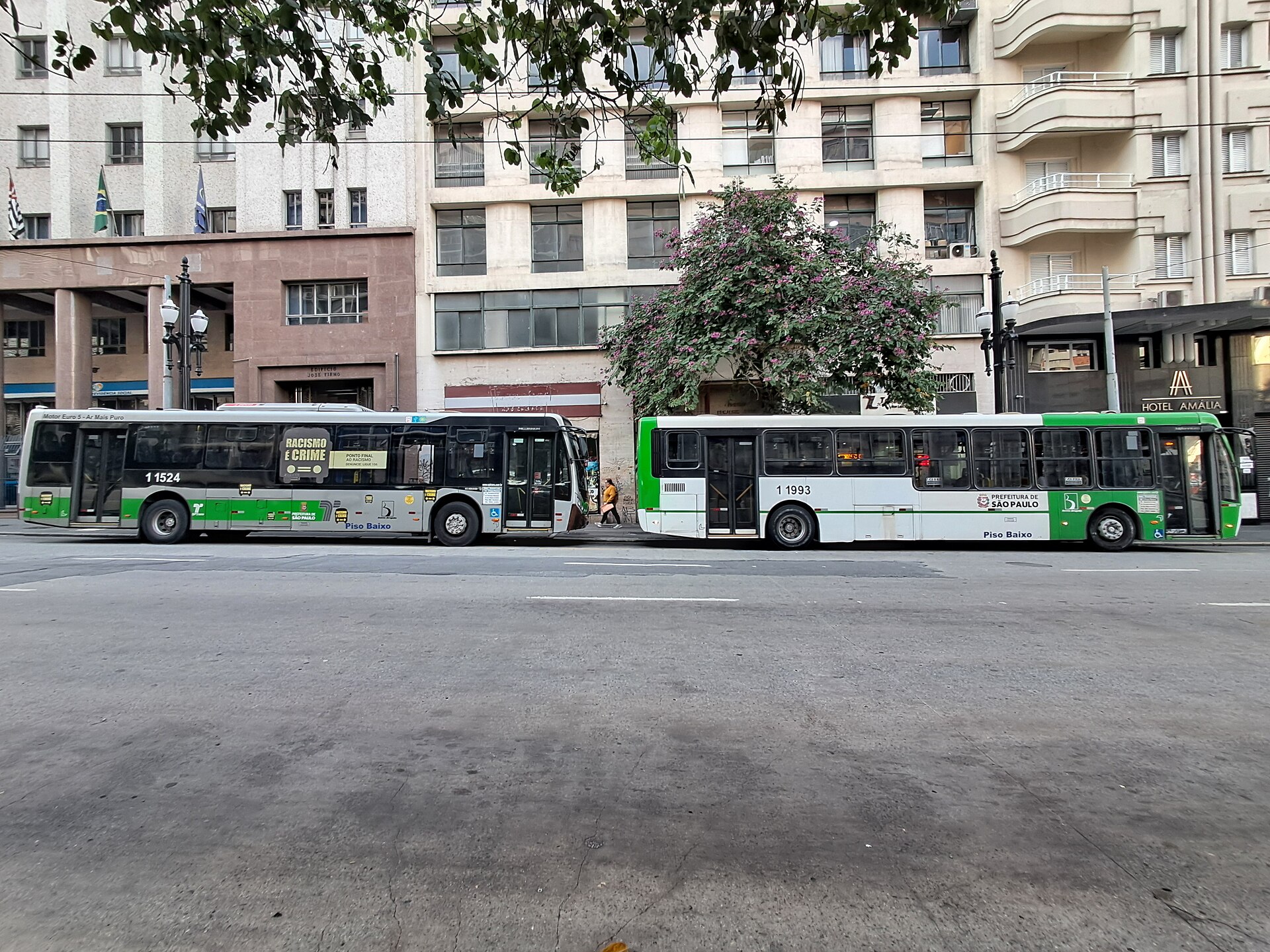
The listed channels include boards, banners and advertising panels in arenas, gyms and stadiums. They also cover adverts on municipal buses and public places the city administers or licenses.
What it would leave alone
Players’ shirts are not in the text. Nor are private venues such as bars, which the city cannot reach.
João Jorge told the chamber the text would be debated further and changed before the decisive vote. He said the ban could be widened to cover players’ shirts.
“Either Brazil ends the bets or the bets end Brazil,” the councillor said after the vote. His remarks were carried by the chamber’s own news service.

The fines and where the money goes
Breaking the rule would cost R$50,000 (about US$9,700) each time, once the law is in force. The offender’s operating licence could also be suspended for up to 30 days.
A repeat offender would be barred from staging sporting events in the city for up to two years. Companies would get 90 days to comply after publication.
Conversions here use a rate of 5.14 to the US dollar, the Banco Central do Brasil selling rate on 23 September 2026. Brazil’s currency is the real.
Money from the fines would pay for campaigns against ludopatia, the Portuguese word for compulsive gambling disorder. It would also promote sport in education.
The bill separately orders the city government to run warning campaigns in municipal schools and on official channels. Children and teenagers are singled out.
Two hurdles left
The chamber must now pass the bill in a second and final vote. It has set no date for that, according to the business magazine Exame.
The bill would then go to Mayor Ricardo Nunes for signature. Nunes belongs to the MDB, the same centrist party as the bill’s author.
Fabio Riva, who leads the mayor’s bloc in the chamber, spoke for the measure. He argued that the dream of easy money was costing workers their wages and their dignity.
The first-round vote was symbolic, meaning no roll call was recorded on the electronic panel. Exame reported that nobody voted against.
Why betting turned political in Brazil
Brazil legalised fixed-odds betting under a law signed on 29 December 2023. The licensed trade opened on 1 January 2025.
Licences come from the prizes and betting secretariat of the Ministry of Finance, known by its Portuguese initials SPA. Each costs up to R$30 million (about US$5.8 million) and runs five years.
In the first eleven months of regulated trading the federal government collected R$8.8 billion (about US$1.7 billion). Those are the secretariat’s own figures.
Across 2025 the 79 licensed operators reported 25.2 million Brazilians betting. Betting logos spread across Brazilian football almost at once.
Thirteen of the 20 clubs in the top division now carry betting sponsors, the financial news site InfoMoney reported. The league itself is sponsored by Betano, the leading operator in the country.
Lula’s national move
President Luiz Inácio Lula da Silva has decided to ban online betting nationwide, the newspaper Estadão reported. He took the decision on Wednesday 23 September 2026 with ministers at the Palácio da Alvorada, the presidential residence in Brasília.
A provisional measure, which takes effect at once but lapses unless Congress approves it, is being drafted. Ministers were told to finish it within days.
The government is also studying whether betting companies should compensate people who ran up debts gambling. One route under consideration is a federal lawsuit against the firms.
That idea was reported by Vera Rosa of Estadão. Neither the national ban nor the compensation plan is law.
Brazil votes in the first round of its general election on Sunday 4 October 2026. Lula is seeking another term.
The clubs push back
Corinthians, Palmeiras, São Paulo and Flamengo signed a joint statement on 17 September 2026 against the federal plan. They are among the clubs that betting firms pay to sponsor.
The statement warned of a fatal blow to Brazilian football and said many clubs would be pushed into insolvency. Betting firms had threatened to review their sponsorship deals.
For now nothing changes on the boards at São Paulo’s grounds. Advertisers would get 90 days to comply once the São Paulo betting advertising ban was published.
More: Brazil coverage, every day from The Rio Times.
Frequently Asked Questions
Is the betting advertising ban already in force in São Paulo?
No. The chamber approved Projeto de Lei 560/2025 only in the first of two rounds, on Wednesday 23 September 2026. It must pass a second and final vote, and then be signed by Mayor Ricardo Nunes, before it becomes law. Companies and event organisers would then have 90 days to comply.
What exactly would be banned?
Direct and indirect advertising by sports betting companies and online games of chance at sporting events staged in the city, whether amateur or professional. The bill lists boards, banners and advertising panels in arenas, gyms and stadiums, adverts on municipal buses, and public places the city administers or licenses. Players’ shirts and private venues such as bars are not covered as the text stands.
How much would a breach cost?
The bill sets a fine of R$50,000 (about US$9,700) for each infraction and allows the operating licence to be suspended for up to 30 days. A repeat offender could be barred from staging sporting events in the city for up to two years. The money raised would fund campaigns against compulsive gambling and support sport in education.
Why is betting such a political issue in Brazil?
Online betting was legalised under a law signed on 29 December 2023 and the licensed trade opened on 1 January 2025, putting betting logos across football within months. The 79 licensed operators reported 25.2 million Brazilians betting across 2025, and household debt became a campaign theme. President Lula is preparing a provisional measure to restrict or ban the trade before the election on 4 October 2026.
Sources: Câmara Municipal de São Paulo on the first-round vote, the chamber on the 34 bills passed that day, Exame on the penalties and the missing second-vote date, CartaCapital on the route to the mayor, the official text of Law 14,790 of 2023, Máquina do Esporte on the secretariat’s first-year figures, InfoMoney on club sponsorship and the joint statement, CNN Brasil on the ministers’ meeting, Estadão, via syndication, on the compensation idea, IBGE census data for the city population
This article was produced by The Rio Times’ automated newsroom system. How we use AI · Report an error
Read More from The Rio Times