Rolls-Royce’s Strategic Turn from Electric to Hydrogen Flight
Renowned engine maker Rolls-Royce is shifting its focus from electric aircraft to hydrogen technology development.
Rolls-Royce holds a significant share in the global aircraft engine market and is renowned for its advanced jet engines used by commercial and military aircraft.
Its prominence in the industry is marked by a strong presence in wide-body aircraft, competing closely with other major manufacturers like General Electric and Pratt & Whitney.
The company plans to sell its electric engine unit, signaling a shift towards conventional propulsion for the next two decades.
Hydrogen technology, while emerging, is developing slowly.
CEO Tufan Erginbilgic, formerly with BP Plc, has expressed skepticism about hydrogen’s immediate impact on aviation.
Despite this, Rolls-Royce is working with EasyJet Plc on hydrogen, with Erginbilgic seeing Sustainable Aviation Fuel (SAF) as crucial for large jet engines’ net-zero emissions.
Erginbilgic’s plan aims to increase operating profits and improve cash flow significantly.
This strategy comes as the aviation industry, including companies like Airbus SE, looks to hydrogen-powered aircraft by 2035 amidst rising pressure to reduce carbon emissions.
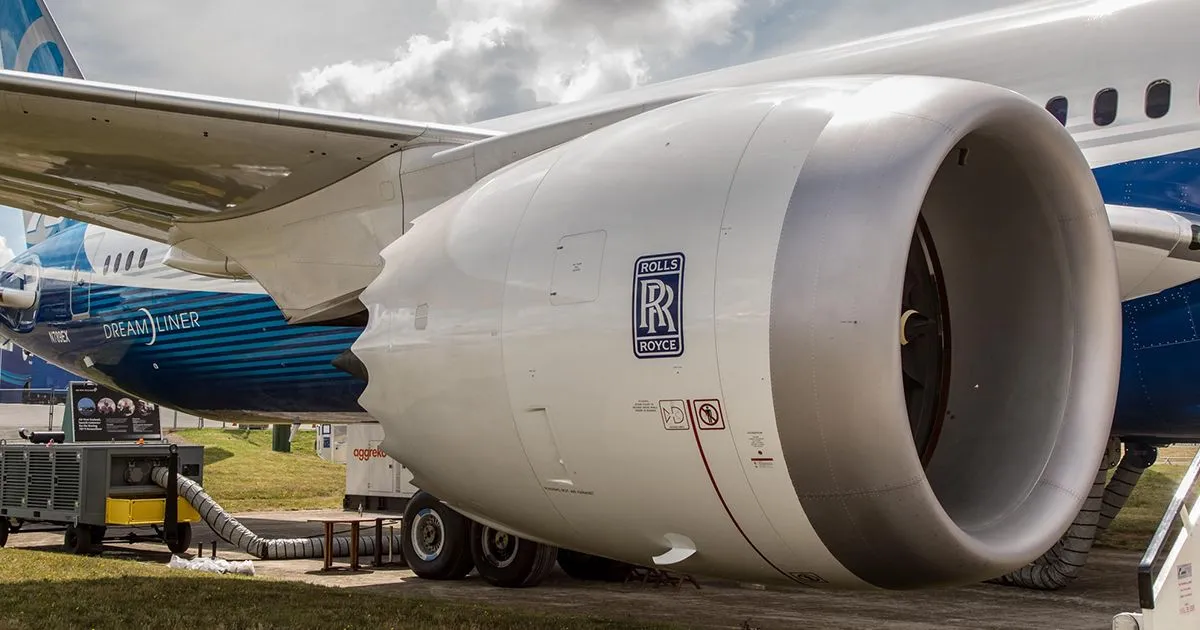
Rolls-Royce has confirmed its commitment to hydrogen development in partnership with EasyJet.
The company’s focus on hydrogen aligns with the industry’s broader shift towards more sustainable, long-range flight solutions, diverging from electric technology limited by battery capacity.
This strategic realignment reflects Rolls-Royce’s adaptation to market trends and environmental needs.
Environmental Advantages
Hydrogen technology offers considerable environmental advantages and meets global emission reduction targets.
This shift keeps Rolls-Royce at the forefront of eco-friendly aviation technology.
The decision to sell its electric propulsion business underlines Rolls-Royce’s flexible approach in a dynamic market.
This move allows the company to focus on more promising hydrogen technology for future aviation demands.
In conclusion, Rolls-Royce’s pivot to hydrogen-based flight represents a strategic response to evolving industry standards and environmental considerations.
This decision positions Rolls-Royce as a key player in the future of sustainable aviation.
More: Brazil news in English, every day from The Rio Times.
This article was produced by The Rio Times’ automated newsroom system. How we use AI · Report an error
LatAm Markets: Live Signals → — real-time movers, turnover leaders and FX across Latin America.
Read More from The Rio Times