Argentina: Rodrigo de Loredo Takes Over Córdoba’s Radical Party
Argentina · Politics
Key Facts
- —What happened Allies of Rodrigo de Loredo won the Radical party’s Córdoba city committee vote on Sunday 20 September 2026.
- —The result Legislator Miguel Nicolás took almost 59% against about 41% for Pablo Farías, backed by rival Ramón Mestre.
- —How the province was won A national electoral court ruling on 17 September 2026 left De Loredo’s faction as the only list for provincial leadership.
- —The catch Only about 8,000 of roughly 68,000 party members voted in the city, according to Perfil.
- —Why it matters De Loredo aims to lead a broad anti-Peronist alliance into Córdoba’s 2027 governor election.
- —What comes next Matías Gvozdenovich takes over as provincial party president at the end of September.
A low-turnout party vote and a court ruling have put one man’s faction in charge. It now runs the Radical party in Córdoba, Argentina’s second most populous province. His target is the 2027 race for governor.
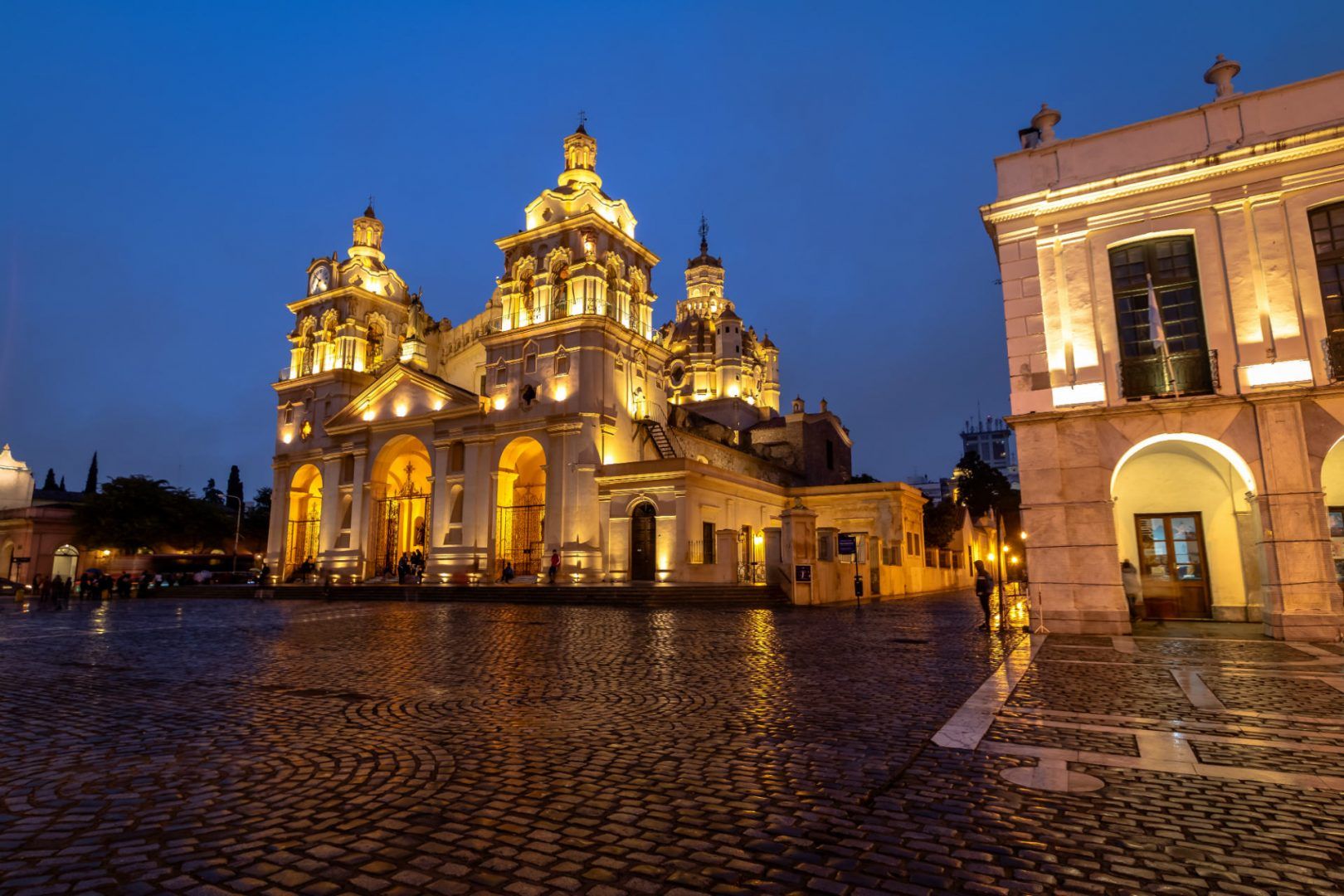
Rodrigo de Loredo now controls the Radical party in Córdoba, the Argentine province he wants to govern from 2027. His allies won the party’s city vote on Sunday 20 September 2026.
That vote followed a court ruling three days earlier that handed his faction the provincial leadership without a contest. Together they give him the party machinery for a run at the governorship.
The Radical Civic Union, known by its Spanish initials UCR, is one of Argentina’s oldest parties. In Córdoba it remains the main organised force outside Peronism, the movement that runs the province.
A clear win on a small turnout
Sunday’s main contest was for the UCR’s committee in Córdoba city, Argentina’s second-largest city. Letra P, a political news site, calls it the party’s most important post in the city.
Miguel Nicolás, a provincial legislator from De Loredo’s Generación X faction, took almost 59% of the vote. Pablo Farías, candidate of the rival Más Radicalismo alliance, won just over 41%.
The financial daily Ámbito and Letra P reported those figures. De Loredo’s camp put the split at 60% to 40%, according to the newspaper Perfil.
Participation was thin. Perfil reported about 8,000 voters from a roll of 68,000 party members, a turnout of roughly 12%.
La Política Online, a political news site, reported doubts over whether turnout had reached the 10% minimum required for internal UCR votes.
De Loredo celebrated on the social network X. “Enormous victory in the primaries of our political organisation,” he wrote, claiming wins in 12 of the city’s 14 party districts.
The rival camp did win one prize. In Colón department, Luis Carrizo of Más Radicalismo beat Ezequiel Lemos, mayor of Río Ceballos, by 1,317 votes to 913.
The provincial party was settled in court
The bigger prize, the provincial committee, never went to the ballot box. On Thursday 17 September 2026 the National Electoral Chamber rejected an appeal by Más Radicalismo.
The chamber is Argentina’s top court for electoral matters. It ruled the appeal had been wrongly admitted, without deciding the underlying complaints, Perfil reported.
That left standing a lower-court decision by federal electoral judge Miguel Hugo Vaca Narvaja. Generación X became the only valid list for the provincial leadership.
According to Ámbito, Más Radicalismo had filed lists in 18 departments, but ten were challenged. That left it below the minimum of 14 departments the party rules require.
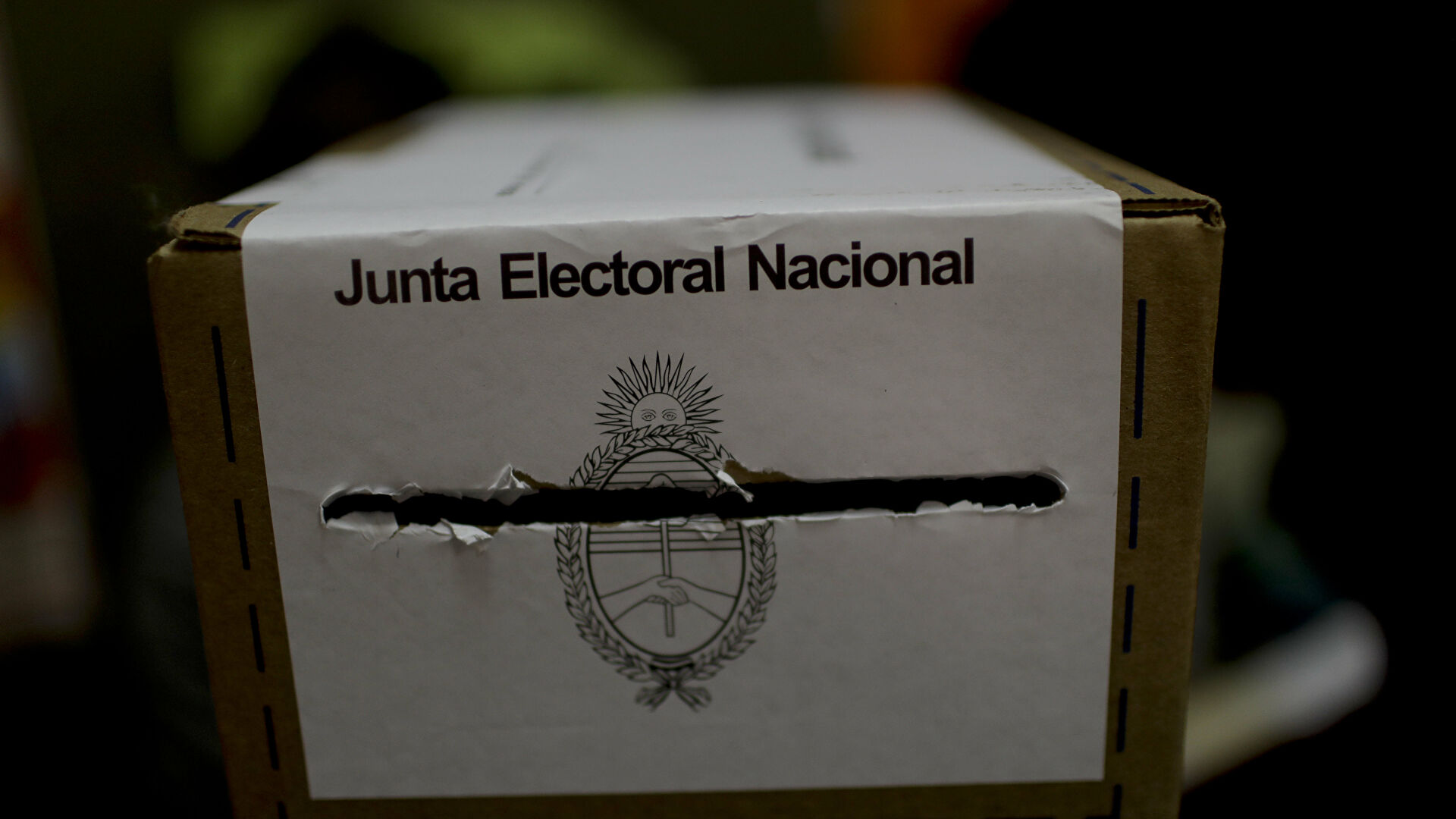
Matías Gvozdenovich, who leads the UCR group in Córdoba’s provincial legislature, will therefore become party president. He takes office at the end of September, Ámbito reported.
Ramón Mestre, a former mayor of Córdoba city who leads Más Radicalismo with Juan Jure, rejected the outcome. He said the new leadership came from a process “lacking transparency and founded on the proscription of the opposition”, the regional newspaper Puntal reported.
Juan Jure, the faction’s candidate for the provincial presidency, has said it will not recognise the new party authorities, Ámbito reported. He added that it will field its own candidate for governor and is weighing a Supreme Court appeal.
Why Córdoba matters beyond the province
Córdoba had 3.84 million inhabitants at the 2022 census, second only to Buenos Aires province. It is a farming and industrial heartland, and a prize in any national election.
Peronists have governed the province for nearly three decades. Governor Martín Llaryora heads the current administration, which has drawn some Radicals into its coalition.
Among them is Vice-Governor Myrian Prunotto, who came from the UCR. The new leadership has vowed to stop further defections.
Gvozdenovich wrote on X on 21 September: “Now, together with Miguel Nicolás, we are going to de-Peronise Radicalism. And next year, with Rodrigo de Loredo, de-Peronise Córdoba.”
The road to 2027
De Loredo, a former national deputy, has lost a major race before. In 2023 he ran for mayor of Córdoba city and lost to the Peronist Daniel Passerini.
Passerini took 47.72% to De Loredo’s 39.98% in the provisional count, according to the Córdoba TV channel El Doce.
He has not formally launched a campaign. Ámbito reported that he told his inner circle, “I am going for the governorship.”
Ámbito says he wants President Javier Milei’s party,La Libertad Avanza, and Senator Luis Juez’s Frente Cívico in one alliance. Both are rivals as well as potential partners.
La Libertad Avanza’s leading local figure is national deputy Gabriel Bornoroni. Juez has been a force in provincial politics for more than 20 years.
De Loredo’s strongest asset is the party’s network of mayors. In June, more than 60 Radical mayors and local leaders backed his bid for governor, Ámbito reported.
That network is not fixed. Ámbito noted that six mayors in San Justo department have agreed to move to La Libertad Avanza.
For now, De Loredo’s faction holds both the city and provincial party committees. Whether that is enough to lead a united opposition in 2027 will be decided with his rivals, not his party.
More: Argentina coverage, every day from The Rio Times.
Frequently Asked Questions
What office did Rodrigo de Loredo win?
None personally. His ally Miguel Nicolás won the Radical party’s Córdoba city committee on 20 September 2026. Another ally, Matías Gvozdenovich, becomes provincial party president after a court ruling on 17 September 2026. De Loredo leads the Generación X faction that now controls both committees.
What is the UCR?
The Radical Civic Union, or Unión Cívica Radical, is one of Argentina’s oldest parties. It is a centrist force that has produced several presidents. In Córdoba it is a leading opposition party, with around 120 mayors, according to Ámbito.
When is the Córdoba governor election?
Córdoba elects its next governor in 2027, the same year as Argentina’s presidential election. The province sets its own election calendar. Governor Martín Llaryora heads the current Peronist administration.
Did the rival faction accept the result?
No. Ramón Mestre, who leads the rival Más Radicalismo alliance, said the new leadership came from a process lacking transparency. The National Electoral Chamber rejected his faction’s appeal on procedural grounds, without ruling on the complaints themselves.
Sources: Perfil on the city vote and turnout, Ámbito on the result and the governorship plan, Letra P on the city and Colón results, La Política Online on turnout and alliances, cba24n on the party’s new leadership, Perfil on the electoral court ruling, Puntal on the ruling and Mestre’s response, El Doce on the 2023 mayoral result
This article was produced by The Rio Times’ automated newsroom system. How we use AI · Report an error
Read More from The Rio Times