In a bold move to establish itself as a formidable space power, China is progressing rapidly to create its own expansive satellite internet constellation.
This project, often compared to StarLink, involves launching about 26,000 satellites into low Earth orbit.
The aim is to provide comprehensive global coverage, bridging the digital divide in remote areas and enhancing communication capabilities worldwide.
China’s initiative shifts strategically towards space dominance, reflecting growing military reliance on satellite-based systems in areas like Ukraine and Gaza.
This development clearly signals China’s intent to compete with leading space nations like the United States.
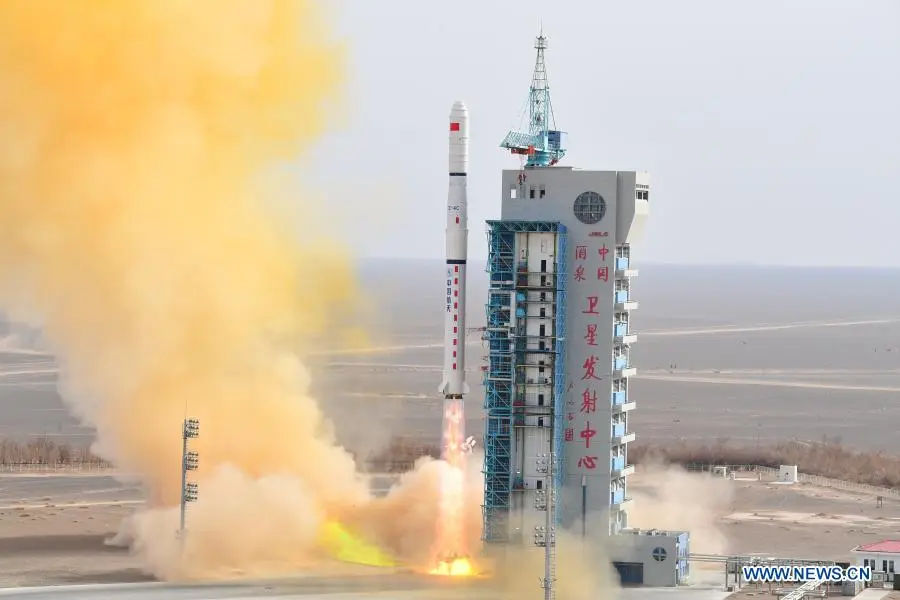
The project is led by state-run companies, with heavy involvement from military-affiliated enterprises, indicating its strategic importance.
The significance of this endeavor extends beyond civilian use. It marks China’s transition from a regionally focused defense player to a global power projector.
This is evident in the way China has extended its capabilities in the Pacific, enhancing its ability to monitor and potentially threaten regions like Taiwan.
The deployment of new satellites has significantly improved China’s surveillance and precision capabilities, allowing it to see further and with greater accuracy.
China’s rapid development in space technology is not going unnoticed. The international community, particularly the U.S. and Europe, is closely monitoring these advancements.
Concerns about China’s growing space capabilities have led to actions like blocking space-related investments and scrutinizing collaborations with Chinese entities.
U.S. to streamline operations and develop new strategies
The U.S. is also taking steps to strengthen its space operations in response to these developments.
Efforts are underway to streamline operations and develop new strategies to counter potential threats in space.
This includes monitoring Chinese and Russian activities and exploring non-kinetic means to address space-based challenges.
As China continues to advance its satellite network, it is clear that the global space race is intensifying.
The implications of these developments are profound, affecting not just communication and connectivity but also geopolitical dynamics and military strategies in space.
The coming years are likely to see increased activity and competition in this crucial domain as nations strive to secure their positions as leading space powers.
This article was produced by The Rio Times’ automated newsroom system. How we use AI · Report an error
Read More from The Rio Times