Rio Grande do Sul Poll Puts Flávio Bolsonaro Three Points Ahead of Lula
Elections · Brazil
Key Facts
- —What happened Flávio Bolsonaro leads Lula 44 percent to 41 in Rio Grande do Sul, Brazil’s southernmost state.
- —The national picture Polling all of Brazil from 19 to 23 September, the same institute had Lula ahead, 41 percent to 37.
- —The state race Luciano Zucco leads the contest for state governor with 41 percent of valid votes, against Juliana Brizola’s 36.
- —The catch The state figures are valid votes; the presidential ones count everyone interviewed, so the bases differ.
- —What comes next Brazil votes on Sunday 4 October, with a presidential runoff on 25 October if nobody passes half the valid votes.
Brazil’s southernmost state is leaning the other way from the country as a whole. A survey published on Tuesday puts Senator Flávio Bolsonaro ahead of President Lula there.
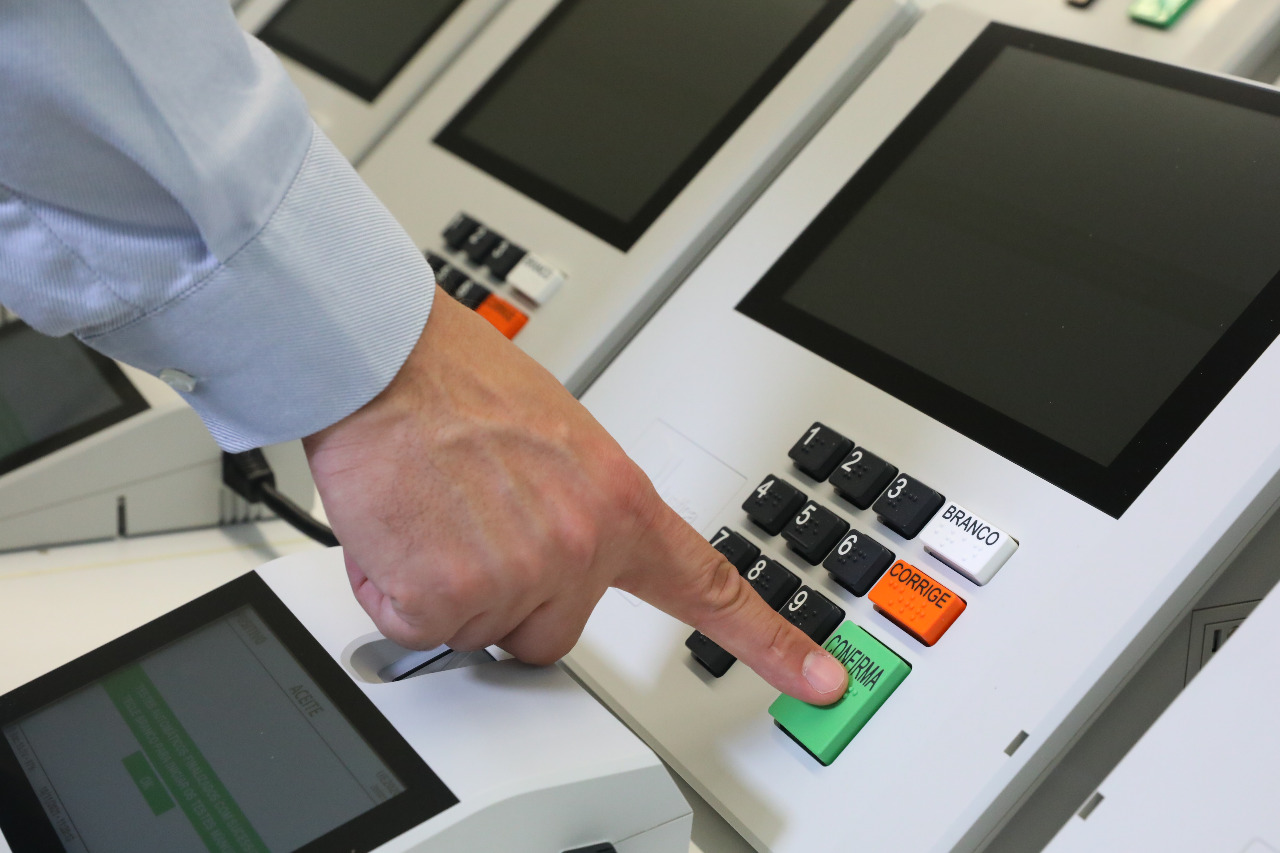
A new Rio Grande do Sul poll puts Senator Flávio Bolsonaro on 44 percent and President Lula on 41. The pollster Real Time Big Data published the figures on Tuesday 29 September 2026.
Flávio Bolsonaro is a senator for the state of Rio de Janeiro and the presidential candidate of the Liberal Party. He is the eldest son of former president Jair Bolsonaro.
Luiz Inácio Lula da Silva is Brazil’s president and the candidate of the Workers’ Party. He is seeking another term at the age of 80.
What the Rio Grande do Sul poll measured
Real Time Big Data interviewed 1,600 voters in the state between 24 and 28 September 2026. The margin of error is two percentage points, at a confidence level of 95 percent.
Each figure can sit two points higher or lower, so the two ranges overlap. CNN Brasil and CartaCapital both called the two men technically tied in the state.
Brazilian law makes this easy to check. Every published poll must be filed with the electoral court before release, under the 1997 elections law.
Article 33 of that law sets the deadline at five days before release. The filing carries the method, the sample, the margin of error, who ordered the survey and what it cost.
The presidential questions here are registered as BR-08546/2026. The state questions carry a second registration, RS-05412/2026, and Gazeta do Povo says the broadcaster Record ordered that part.
One state, not the whole country
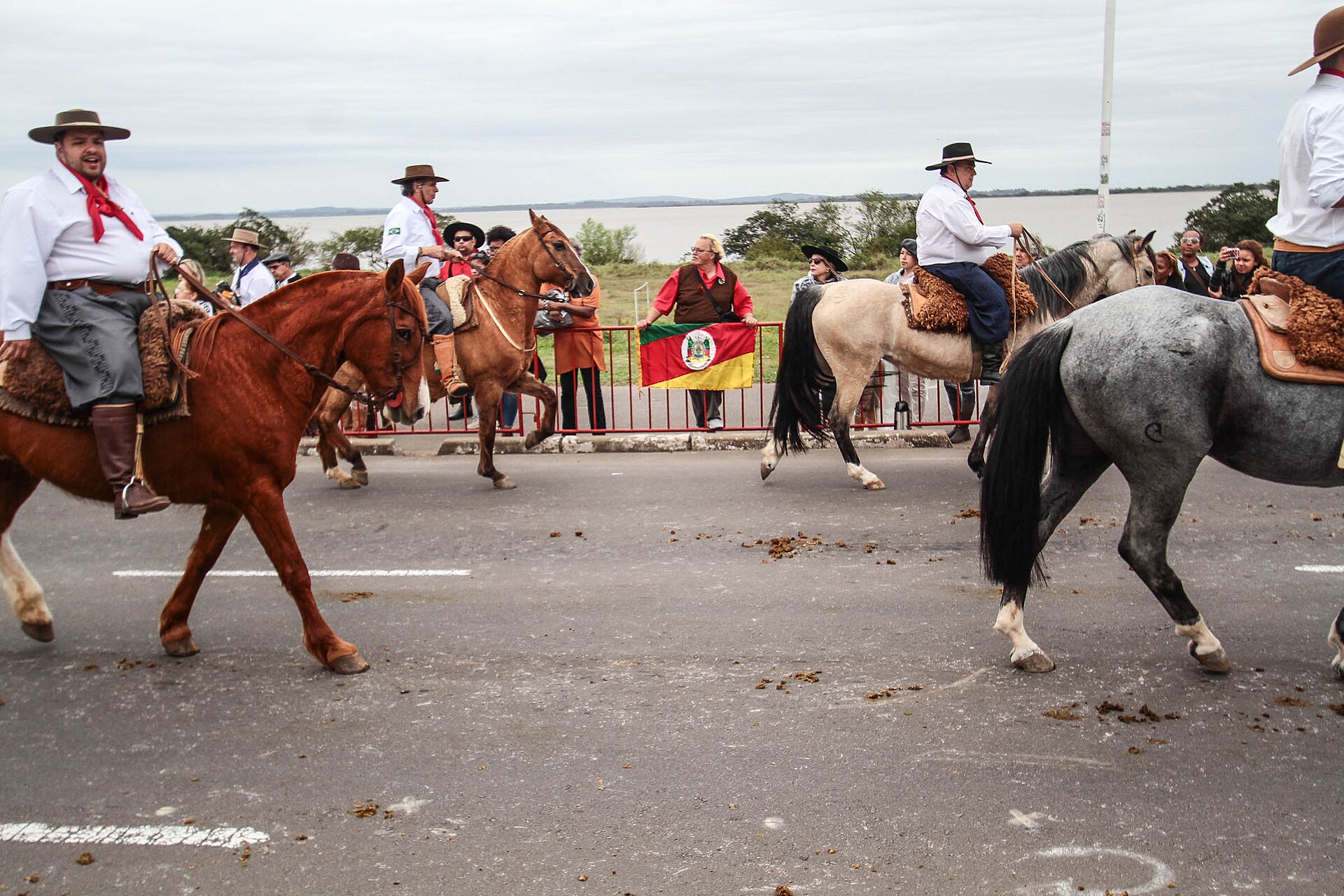
Rio Grande do Sul borders Uruguay and Argentina and is the southernmost of Brazil’s 26 states. Its capital is Porto Alegre, and its ranching traditions are shared with its Spanish-speaking neighbours.
Governors are elected in all 26 states and in the Federal District, so 27 of those races run on the same day. Rio Grande do Sul is one of them.
It has 8,526,233 registered voters for October, the regional electoral court said on 20 July 2026. That is about 5.4 percent of the national roll of 158,745,463.
So the state is large, and it is still only one piece. The same institute polled the whole country from 19 to 23 September and found Lula ahead, 41 percent to 37.
Both readings come from the same firm, in the same month, with the same two-point margin. They point in opposite directions because they are measuring different electorates.
How the numbers shift with the base
The presidential figures above count every person interviewed. Two percent of them said they would spoil their ballot or leave it blank, and one percent gave no answer.
Brazilian elections are decided on valid votes, which leave all of those answers out. No published report of this poll carries a valid-vote version of the presidential question.
The state questions are different: those figures are reported on valid votes. That is why two accounts of a single survey can rest on different bases.
In a straight second round in the state, the poll gives the senator 53 percent against 43 for Lula. Both men are widely disliked there as well as widely backed.
Poder360 reports rejection of 52 percent for Lula and 47 percent for Flávio Bolsonaro in the state. It puts disapproval of Lula’s government there at 56 percent, against 42 percent who approve.
The race to run the state
Rio Grande do Sul also elects a governor on 4 October. The same survey reports that contest in valid votes, and Luciano Zucco leads with 41 percent.
Zucco has been a federal deputy for the state since February 2023 and belongs to the Liberal Party. He is running to replace Eduardo Leite, who has served two consecutive terms and cannot stand again.
Juliana Brizola of the Democratic Labour Party has 36 percent. She is a former state deputy and the granddaughter of Leonel Brizola, one of the best-known names in southern Brazilian politics.
Gabriel Souza of the Brazilian Democratic Movement, the sitting deputy governor, has 20 percent. Winning in one round takes more than half of valid votes, and nobody is close.
The institute also tested a second round there. Zucco leads Juliana Brizola 49 percent to 44, after the two were level at 44 each in early September.
The Senate seats are a separate contest
Two Senate seats are being filled in every Brazilian state this year, 54 in all. Each voter marks two different names, and the two highest finishers win.
Neither Zucco nor Juliana Brizola is in that race. In the state the same survey puts federal deputy Marcel van Hattem of the Novo party first, on 23 percent.
Sanderson of the Liberal Party has 19 percent and Manuela d’Ávila of the Socialism and Liberty Party has 18. Paulo Pimenta of the Workers’ Party is on 16, and the former governor Germano Rigotto on 12.
Five names inside eleven points, for two seats, is an open field. No projection of who takes the pair has been published.
What has changed since August
In late August a Genial/Quaest survey in the state had the senator six points clear of Lula. We covered that fieldwork in an earlier report from Rio Grande do Sul.
The two firms use different methods, so their two sets of numbers do not line up. Within Real Time Big Data’s own series the movement is small.
Its 5 to 9 September wave in the state had 42 percent and 39 percent. Both men have gained two points since then.
The gap between them has not moved at all. What has moved is the governor’s race, where Zucco has turned a tie into a five-point lead.
What this means if you live in Brazil
A Rio Grande do Sul poll tells you about one state and about the mood of one region. It does not tell you who will win the country.
Voting on 4 October is compulsory for Brazilians over 18 and under 70. It is optional for 16 and 17-year-olds, for people aged 70 and over, and for those who cannot read.
If no presidential candidate passes half the valid votes, the top two meet again on 25 October. That would add three more weeks of campaigning.
A poll is a measurement with a date on it, not a result. This one ended its fieldwork six days before the ballot, and the next survey will overtake it.
More: Brazil coverage, every day from The Rio Times.
Frequently Asked Questions
What did the Rio Grande do Sul poll find?
Real Time Big Data interviewed 1,600 voters in the state between 24 and 28 September 2026. In the first round of the presidential election it found Senator Flávio Bolsonaro of the Liberal Party on 44 percent and President Lula of the Workers’ Party on 41 percent, counting everyone interviewed. In a head-to-head second round the senator had 53 percent against 43 percent. The margin of error is two percentage points.
Why do some reports give different numbers for the same poll?
Because there are two ways to present the answers. One counts everybody interviewed, including those who said they would leave their ballot blank or spoil it and those who gave no answer. The other counts only valid votes, which is the base Brazilian elections are decided on. Real Time Big Data used the first base for its presidential question, where Flávio Bolsonaro had 44 percent and Lula 41, and the second for the governor and Senate questions.
Is Zucco running for the Senate?
No. Luciano Zucco, a federal deputy for the Liberal Party, is running for governor of Rio Grande do Sul, and so is Juliana Brizola of the Democratic Labour Party. The survey gives Zucco 41 percent of valid votes against her 36 percent. The Senate contest in the state is a different race, led in the same poll by federal deputy Marcel van Hattem of Novo on 23 percent.
Does a state result predict the national one?
No. Rio Grande do Sul holds about 5.4 percent of Brazil’s 158,745,463 registered voters, and it has long voted differently from the national average. The same institute’s national survey, taken from 19 to 23 September 2026, put Lula ahead of Flávio Bolsonaro by 41 percent to 37 percent. Brazil votes on Sunday 4 October 2026.
Sources: CNN Brasil on the presidential figures for the state, CartaCapital on the fieldwork and the registration number, Poder360 on the runoff reading and rejection rates, Gazeta do Povo on the governor and Senate numbers in valid votes, Poder360 on the state runoff scenarios, CartaCapital on the governor field, CNN Brasil on the same institute’s national survey, Exame on the earlier September wave in the state, Metrópoles on the earlier presidential reading, Superior Electoral Court on registering polls, Federal Senate on the 54 seats being filled, Regional Electoral Court of Rio Grande do Sul on the state electorate, Superior Electoral Court on the national electorate
Read More from The Rio Times