Recife Wreck Diving Complaint Goes to Brazilian Federal Prosecutors
Pernambuco · Environment
Key Facts
- —What happened Divers and dive operators reported murky water and litter over Recife’s sunken ships, and a lawyer took the reports to federal prosecutors.
- —Where this is Pernambuco is a state on Brazil’s north-eastern coast. Recife, its capital, faces the Atlantic.
- —Why it matters Brazil’s tourism board calls Recife the country’s capital of shipwrecks, with more than 26 sunken vessels along the state coast.
- —The catch No visibility reading has been reported, and the port says no confirmed technical evidence links the dredging to the pollution.
- —What it costs The dredging is budgeted at R$95 million (about US$18.5 million), converted at a rate of 5.14 to the US dollar.
- —Who is looking at it A federal prosecutor already opened a procedure on the same dredging in July 2026, after a complaint by Recife fishermen.
Divers off Recife, which Brazil’s tourism board calls the country’s shipwreck capital, say the water above the sunken ships has turned cloudy. The Porto do Recife, which is deepening its shipping channel under a state licence, says no confirmed evidence ties the work to the litter.
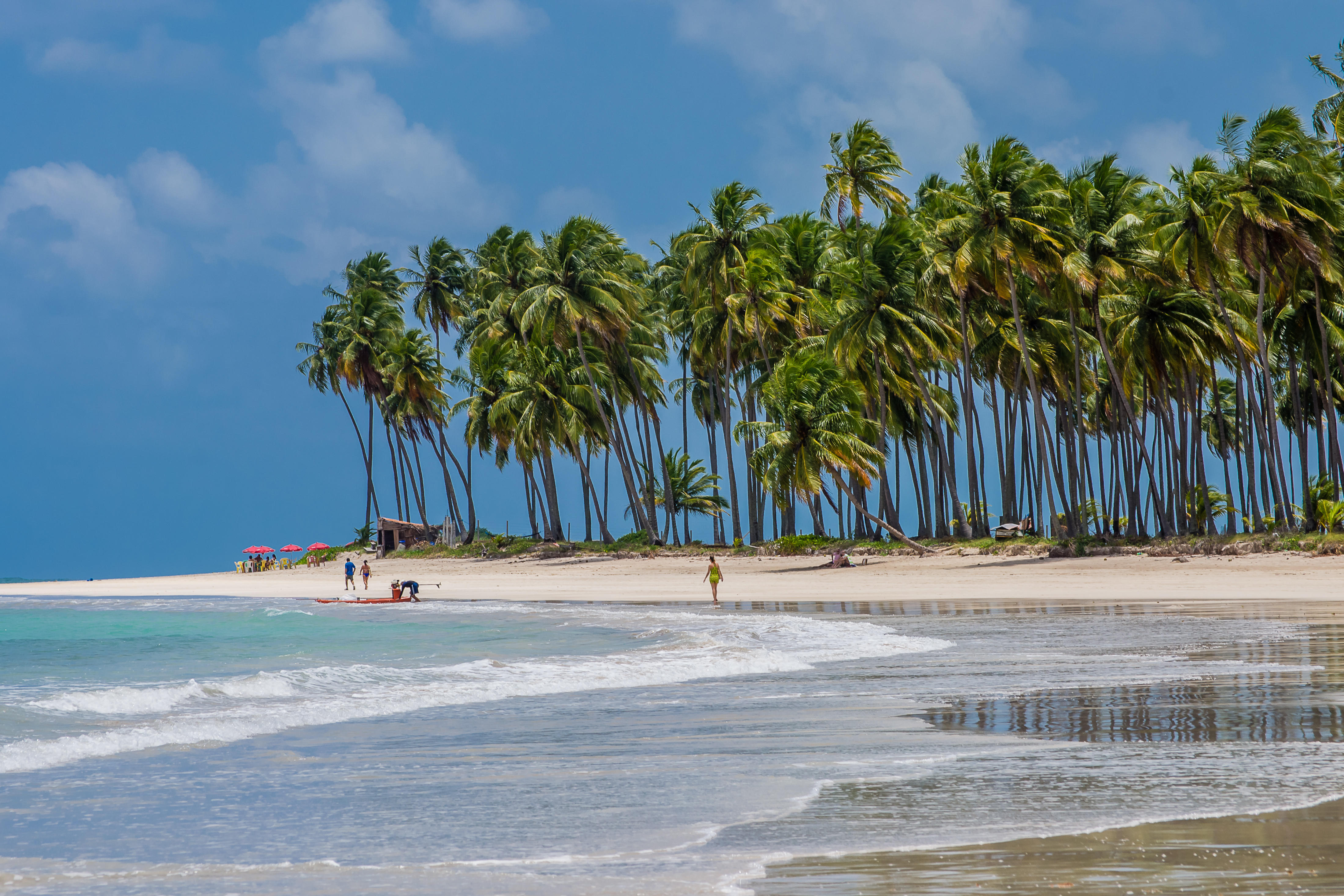
Recife wreck diving is the subject of a complaint now sitting with Brazil’s federal prosecutors. Divers say the water over the city’s sunken ships has turned cloudy and full of litter.
The complaint asks whether a licensed dredging project at the Porto do Recife is behind it. The port says no confirmed technical evidence supports that link.
This matters to anyone who was thinking of going. The wrecks are one of the reasons foreigners fly to Pernambuco at all.
What the divers reported
Dive operators told Leonardo Accioly, a lawyer and a diver, that litter and sediment had spoiled dives off the city. He filed a report on Monday 21 September 2026.
It went to the Ministério Público Federal, Brazil’s federal prosecution service. That body can open civil environmental inquiries and ask agencies for information.
Accioly described “the complete unviability of diving at most of the wrecks in the park”. The water, he said, “is cloudy and with a lot of rubbish”.
Those words were quoted by the Diario de Pernambuco, the Recife newspaper that reported the filing on Wednesday 23 September 2026. Accioly also spoke of harm to fragile marine life.
He is not presenting the dredging as a proven cause. He told the paper there is no proof that the litter comes from it.
The point of the filing, he said, is to have that possibility investigated.
The filing asks prosecutors to look at dredger tracking data, dumping records and sediment dispersion studies. It also asks for an expert survey of the wreck park itself.
Why Recife wreck diving draws foreigners
Embratur, Brazil’s national tourism board, counts more than 26 submerged vessels along the Pernambuco coast. It calls Recife “the Brazilian capital of shipwrecks”.
Embratur names the Servemar, Virgo, Taurus, Pirapama and Servemar X as the most visited. It puts the dive sites at depths of 25 to 50 metres.
Many of the ships were put on the bottom deliberately, to grow artificial reefs. They lie off the Recife coastline and are reached by boat.
The Diario de Pernambuco names three wrecks in the affected area: the tugs Mercurius, Saveiros and Taurus. The Taurus also sits on the tourism board’s most-visited list.
The dredging, and what its permits require
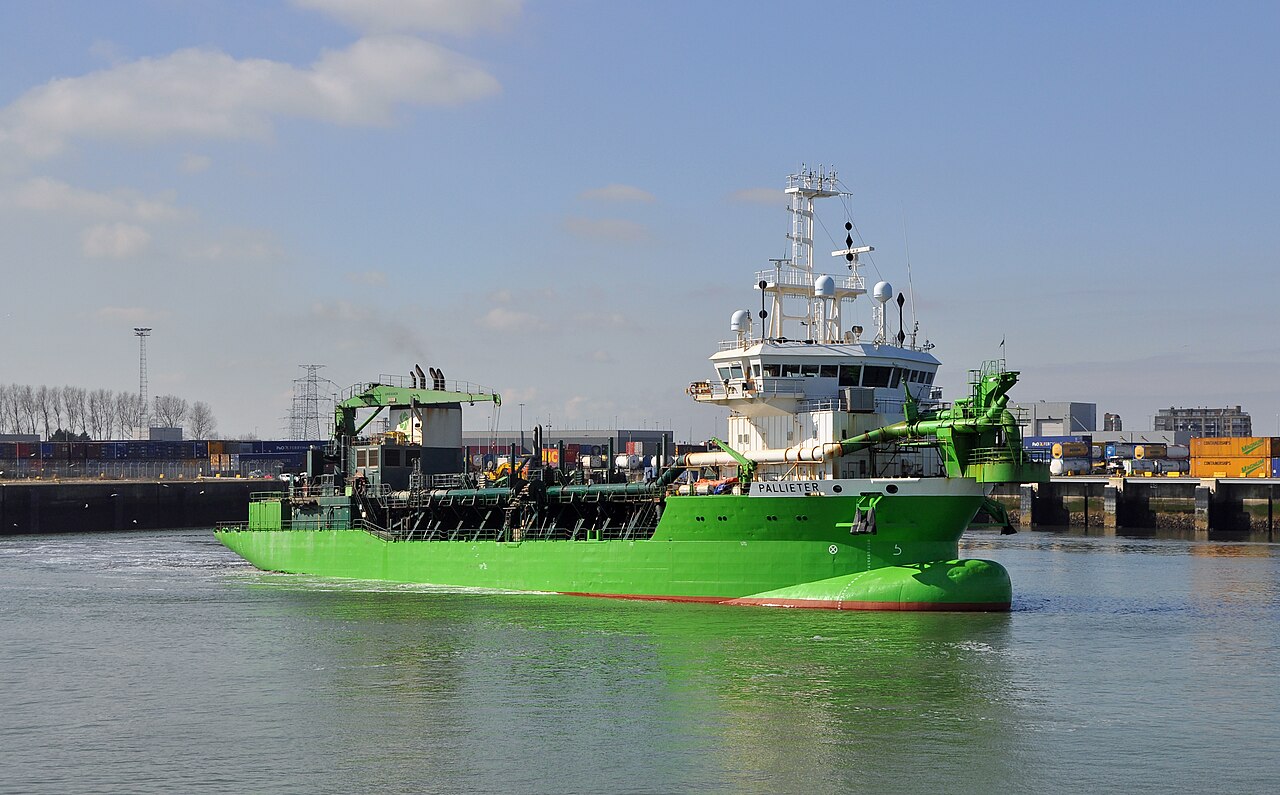
The work began in June 2026 at the Porto do Recife, the port beside the old city centre. It deepens the access channel, the turning basin and the berths.
It is budgeted at R$95 million (about US$18.5 million) in federal money. Another R$15 million (about US$2.9 million) is going on 97 new fenders along the quays.
Those conversions use a rate of 5.14 to the US dollar. That is the Central Bank of Brazil reference rate for 23 September 2026.
The contractor is DTA Engenharia and the vessel is the Dutch-flagged dredger Amazone. Dredged material goes to an ocean dumping ground about six nautical miles offshore.
Six nautical miles is a little over 11 kilometres. The complaint says the southern edge of that ground lies about 1.5 kilometres from the wreck park.
The port names two authorisations for the first phase. One is a technical note from CPRH, the Pernambuco state environment agency that licensed the project.
The other is an order from the Capitania dos Portos de Pernambuco, the Brazilian Navy’s harbourmaster for the state. The Capitania says it cleared maintenance dredging of the channel, with completion expected in December 2026.
CPRH told Marco Zero Conteúdo in July 2026 that it had imposed continuous monitoring by small boats. Anything that surfaces must be collected at once.
What the port says
The Porto do Recife told the Diario de Pernambuco that the dredging holds CPRH authorisation. Its procedures, it said, include monitoring of water quality and sediments.
There is “no confirmed technical evidence that the dredging is related to the pollution”, the port said. It used the same wording about waste settling on the wrecks.
The port also said it will widen its monitoring around the main wrecks. The new readings are to cover litter, turbidity and water transparency.
It said it had met divers and operators recently to hear their accounts. It says it has pulled more than 10 tonnes of solid waste out of the estuary since the work began.
Wagner Maciel, the port’s chief executive, has argued for the project on tourism grounds. He says deeper water will let cruise ships berth at the passenger terminal rather than between two warehouses.
The argument has a history
The divers’ report is not the first complaint aimed at this project. Lobster fishermen made a similar one in July 2026 about plastic in their traps.
The federal prosecutor Antonio Nilo Rayol Lobo Segundo signed the opening of a procedure on 29 July 2026. He asked CPRH and the port for information on the works and their approvals.
That procedure came from the Colônia de Pescadores Z-1 do Pina, a Recife fishing guild. Prosecutors took it because the dumping ground sits inside Brazil’s territorial sea.
CPRH acknowledged then that suction can stir up material buried in the riverbed. Sediment may rise into the water column and reach the surface, the agency said.
The same agency ruled the dredging out as the cause of a February 2022 wave of beach litter. Heavy rain and strong winds explained that episode, it said.
What would settle it
The Diario de Pernambuco report carries no visibility measurement. The turbidity and transparency readings the port has promised would be the first numbers to test the divers’ account.
Prosecutors can also seek the expert survey the filing asks for. They have already asked CPRH and the port for information about the works.
No authority has found wrongdoing and nobody has been charged. The port says the works meet every technical and legal requirement that applies.
The first phase covers about 76% of the planned volume, according to the port. The designs for the harder second phase have still to be approved.
For a visitor who has booked Recife wreck diving, the question is simply when the water clears. The port has forecast finishing in November 2026, and the Capitania expects the work to end in December 2026.
More: Brazil coverage, every day from The Rio Times.
Frequently Asked Questions
Is Recife wreck diving still going ahead?
Dive operators told the lawyer who filed the complaint that litter and sediment had spoiled dives, and he described most of the park as unviable. The Porto do Recife says it has met divers and operators and will extend its monitoring to the main wrecks, covering litter, turbidity and water transparency. Anyone with a trip booked should ask their operator about conditions on the day.
What is the dredging for?
The Porto do Recife is deepening its access channel, turning basin and berths so that larger vessels can come in. The work is budgeted at R$95 million (about US$18.5 million) in federal money and is being carried out by DTA Engenharia with the Dutch-flagged dredger Amazone. The port’s chief executive, Wagner Maciel, has argued that deeper water will also let cruise ships berth at the passenger terminal instead of alongside warehouses.
Who is investigating, and has anyone been blamed?
Brazil’s federal prosecution service, the Ministério Público Federal, opened a procedure on 29 July 2026 after a complaint from a Recife fishing guild, and received the divers’ report on 21 September 2026. No authority has found wrongdoing and nobody has been charged. The port says no confirmed technical evidence links the dredging to the pollution, and the state environment agency ruled the dredging out as the cause of a comparable episode in February 2022.
Who licensed the work?
CPRH, the Pernambuco state environment agency, issued the environmental authorisation and set the conditions, including continuous monitoring by small boats and immediate collection of anything that surfaces. The Capitania dos Portos de Pernambuco, the Brazilian Navy’s harbourmaster for the state, separately authorised the maintenance dredging of the access channel and has said it expects the work to end in December 2026. The disposal ground lies in the territorial sea, which is federal, and that is why federal prosecutors have a role.
Sources: Diario de Pernambuco on the complaint and the port’s reply, Marco Zero Conteúdo on the fishermen and the full notes from CPRH and the Capitania dos Portos, Jamildo on the federal prosecutor’s procedure, Jamildo on the port’s answer and its permits, Diario de Pernambuco on the service order and the cost, Embratur on diving in Recife, Central Bank of Brazil PTAX reference rate
This article was produced by The Rio Times’ automated newsroom system. How we use AI · Report an error
Read More from The Rio Times