Is Puerto Rico Safe? Crime and Safety in 2026
Official data show where violence falls on the island, and the travel advice names the everyday hazards that matter just as much to a visitor.

Expats and Travel: Puerto Rico
Canada’s travel advice of 13 November 2026 asks visitors to Puerto Rico to take normal security precautions, and says both petty crime and violent crime occur. The official numbers show who violent crime mostly touches.
Puerto Rico is US territory, so the question comes up often for Americans planning a holiday, a remote-work stay or a move. This guide sets out what the official data show, and our security explainer covers armed groups, police and the military.
Key Facts
- Travel advice. Canada asks for normal precautions; petty crime and violent crime both occur.
- Violence. 471 homicides in 2025; in April to June 2026, 88% of victims were men.
- Weapons. Firearms were used in 92% of homicides in April to June 2026.
- Dates. Hurricane season ends on Monday 30 November; the police publish new crime figures monthly.
- As of. 28 November 2026, 08:00 GMT.
Official data show where violence falls on the island, and the travel advice names the everyday hazards that matter just as much to a visitor.
Where the Crime Numbers Come From
The most detailed official count of violence comes from the Puerto Rico Violent Death Reporting System, part of the Puerto Rico Institute of Statistics, a government data body. It was set up in 2016 with support from the US Centers for Disease Control and Prevention (CDC), the federal public health agency, and it combines records from the Institute of Forensic Sciences (the island’s medical examiner service), the Puerto Rico Police and the Demographic Registry (the vital-records office).
On 4 March 2026 the Institute of Statistics published its preliminary annual summary, which counted 732 violent deaths in 2025. Of those, 471 were homicides, 204 were suicides and 57 had other circumstances, so the headline figure includes people who took their own lives.
Violent deaths were recorded on 83% of the days of the year, an average of 61 a month, the same summary says. The highest months were January with 74, June with 77 and August with 71.
The latest bulletin, published on 16 October 2026 and also preliminary, counted 199 violent deaths from April to June, about two a day. Homicides were 137 of them, or 68.9%, against 64.3% across 2025, although one quarter is a short run from which to read a trend.
The Institute of Statistics says on its Type I Crimes page that the Police of Puerto Rico publish crime figures monthly, following the Uniform Crime Reports model, a standard US crime-reporting model. The Type I category covers seven offences, namely murder and homicide, rape by force, robbery, aggravated assault, burglary, larceny and car theft, by region, municipality and month.
The page lists monthly releases through 2026. We found no official statistic on crimes against visitors, and the data are not split by tourist neighbourhood.
Who Violence Mostly Touches
In the fourth quarter of 2025, 93% of homicide victims were men, with ages 20 to 39 most affected, the annual summary says. A firearm was the main instrument in 92% of homicides that quarter.
The bulletin for April to June 2026 shows the same pattern, with 121 of 137 homicide victims men, the same age group most affected, and firearms used in 92.0% of homicides. Those figures describe who dies in violent crime on the island, and they do not say how often visitors are targeted.
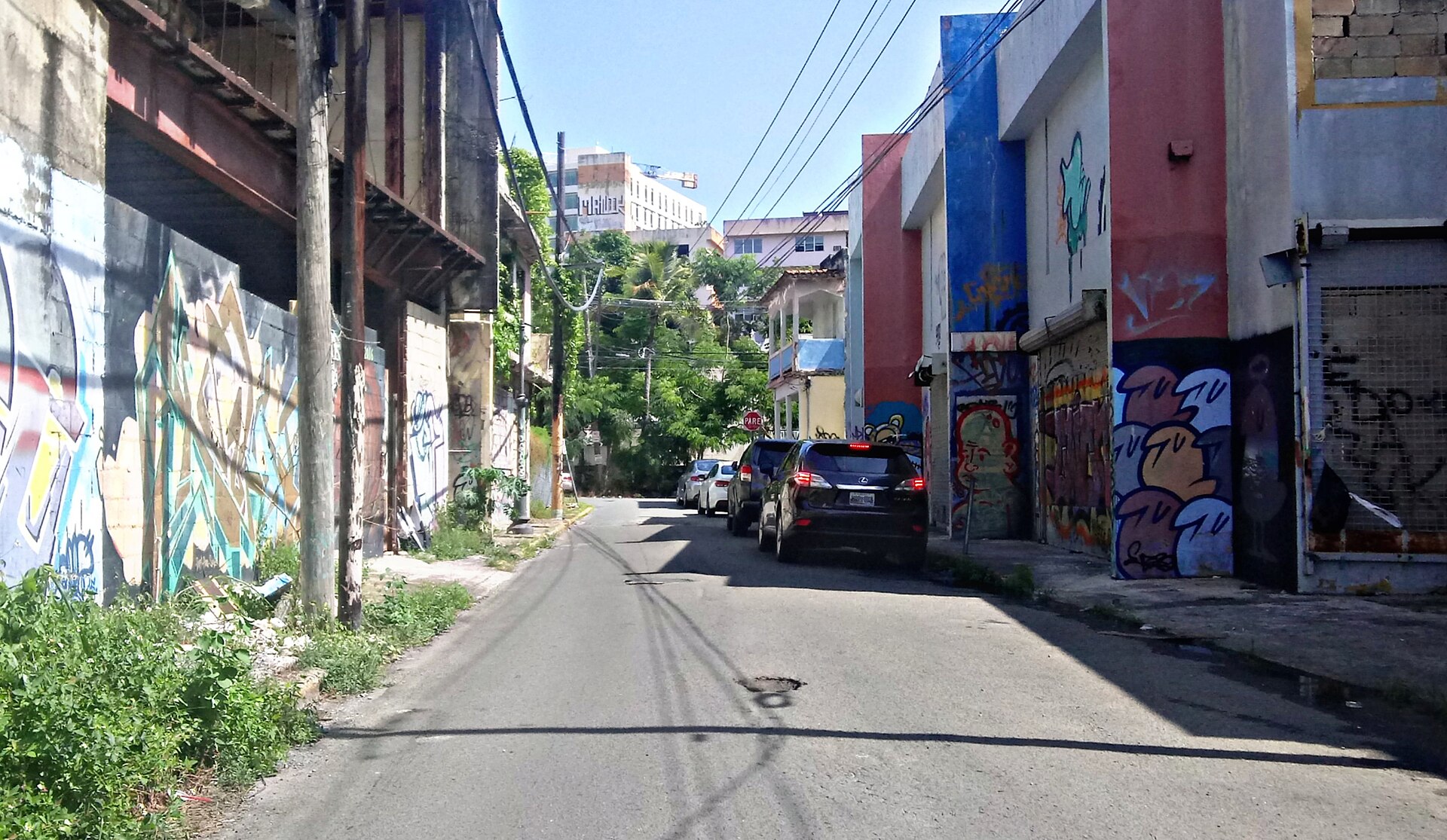
In the fourth quarter of 2025 the police areas of San Juan, Caguas and Guayama had the highest rates of violent deaths, at 10.2, 8.4 and 7.9 per 100,000 inhabitants. These rates include suicides, and they describe police areas rather than the streets where tourists walk.
In the two most recent periods published, the figures describe violence concentrated among young men and carried out mostly with guns. On its own that says little about the chance of a visitor being robbed, which is why the travel advice matters.
What Canada’s Travel Advice Says
Global Affairs Canada, the Canadian foreign ministry, last updated its Puerto Rico advice on 13 November 2026 and sets the risk level at “Take normal security precautions.” Its text says petty crime such as pickpocketing and bag snatching occurs, and violent crime also occurs.
It tells visitors to keep belongings, including passport and travel documents, in a secure place and to stay aware of their surroundings, especially in busy tourist areas. It adds that “even peaceful demonstrations can turn violent,” so travellers should avoid areas where demonstrations and large gatherings take place.
Canada also says “Power outages and water shortages occur frequently” and that not all buildings have generators, so visitors should keep water, food, fuel and an emergency kit. Our report on the dispute over replacing the grid operator LUMA shows why the electricity system is a live political issue.
Coastal waters can be dangerous because of tidal changes and strong currents, and the advice suggests asking residents and tour operators about safe swimming areas. Our recent reports on flood warnings in San Juan and king tides and coastal flooding show the same risk from the water.
Heavy rain can cause flooding and landslides, and wildfires can occur between January and August, particularly in the south and west. The advice says the island is “located in an active seismic zone,” and a tsunami can follow a nearby earthquake within minutes, so coastal visitors should learn the evacuation plan, and Canada gives 911 for emergencies.
Health Checks and the Dates Ahead
The CDC’s Travelers’ Health page for Puerto Rico, read on 28 November 2026, recommends the hepatitis A vaccine for unvaccinated travellers aged one year or older and hepatitis B for unvaccinated travellers of all ages. It also says all international travellers should be fully vaccinated against measles.
Dengue and Zika spread by mosquito bites, and the CDC advises avoiding bites, covering skin, using a repellent with 20% or more DEET and staying in air-conditioned or screened rooms. For leptospirosis and melioidosis, two further infections, it advises avoiding floodwater and muddy water, especially after heavy rain.
The Atlantic hurricane season runs to the end of November, which this year falls on Monday 30 November 2026. The police publish new Type I figures every month, including robbery, burglary and car theft.
Over the longer run, the official record describes an island where violence is real and, in recent quarters, concentrated, and where power, water and weather shape daily life as much as crime. Our Puerto Rico hub follows the island’s news as these numbers are updated.
Frequently Asked Questions
Is Puerto Rico safe for tourists?
Canada’s advice rates the risk as normal precautions while noting that petty and violent crime both occur. We found no official statistic on crimes against visitors, so the answer rests on that advice and on island-wide data.
Does violent crime threaten ordinary visitors?
Official homicide data show victims are overwhelmingly young men, and most killings involve firearms. That does not measure the chance of a visitor being targeted, which no official figure covers.
What else should visitors plan for?
Power cuts, water shortages, strong currents, flooding, earthquakes and hurricane season all feature in the official advice. Asking residents and tour operators about swimming areas is part of that advice.
Which health precautions do official sources mention?
The CDC recommends hepatitis A and B vaccination for unvaccinated travellers and full measles vaccination, and it advises avoiding mosquito bites. It also advises keeping out of floodwater after heavy rain.
Sources
- Puerto Rico Institute of Statistics (Violent Death Reporting System annual summary, 4 March 2026; first-quarter bulletin, 30 June 2026; second-quarter bulletin, 16 October 2026; Type I Crimes page)
- Government of Canada travel advice for Puerto Rico (13 November 2026)
- US Centers for Disease Control and Prevention, Travelers’ Health, Puerto Rico
This article was produced by The Rio Times’ automated AI newsroom. Editorial responsibility: Matthias Camenzind, Publisher and Editor-in-Chief. The Rio Times also runs Ask Rio Times, which answers from 100,000+ of our own articles, the daily Latin America Power Map, and prediction-market odds on elections and markets.. How we use AI · Report an error
Expat Guide to Puerto Rico
What The Rio Times publishes for foreigners who live in or move to Puerto Rico.
Start here
- Puerto Rico Education and Healthcare Explained
- How to Move to Puerto Rico in 2026
- Cost of Living in Puerto Rico in 2026
- Puerto Rico Security and Crime Explained 2026
Understand Puerto Rico