Peru Prison Emergency Covers Five Jails, One Left Unguarded
PERU · SECURITY
Key Facts
- —What happened Peru placed five maximum-security prisons under a state of emergency for sixty days.
- —The reason Officials say extortion rings are being run from inside the prisons using smuggled telephones.
- —Where the soldiers go The measure covers the perimeters, with the armed forces supporting the national police outside the walls.
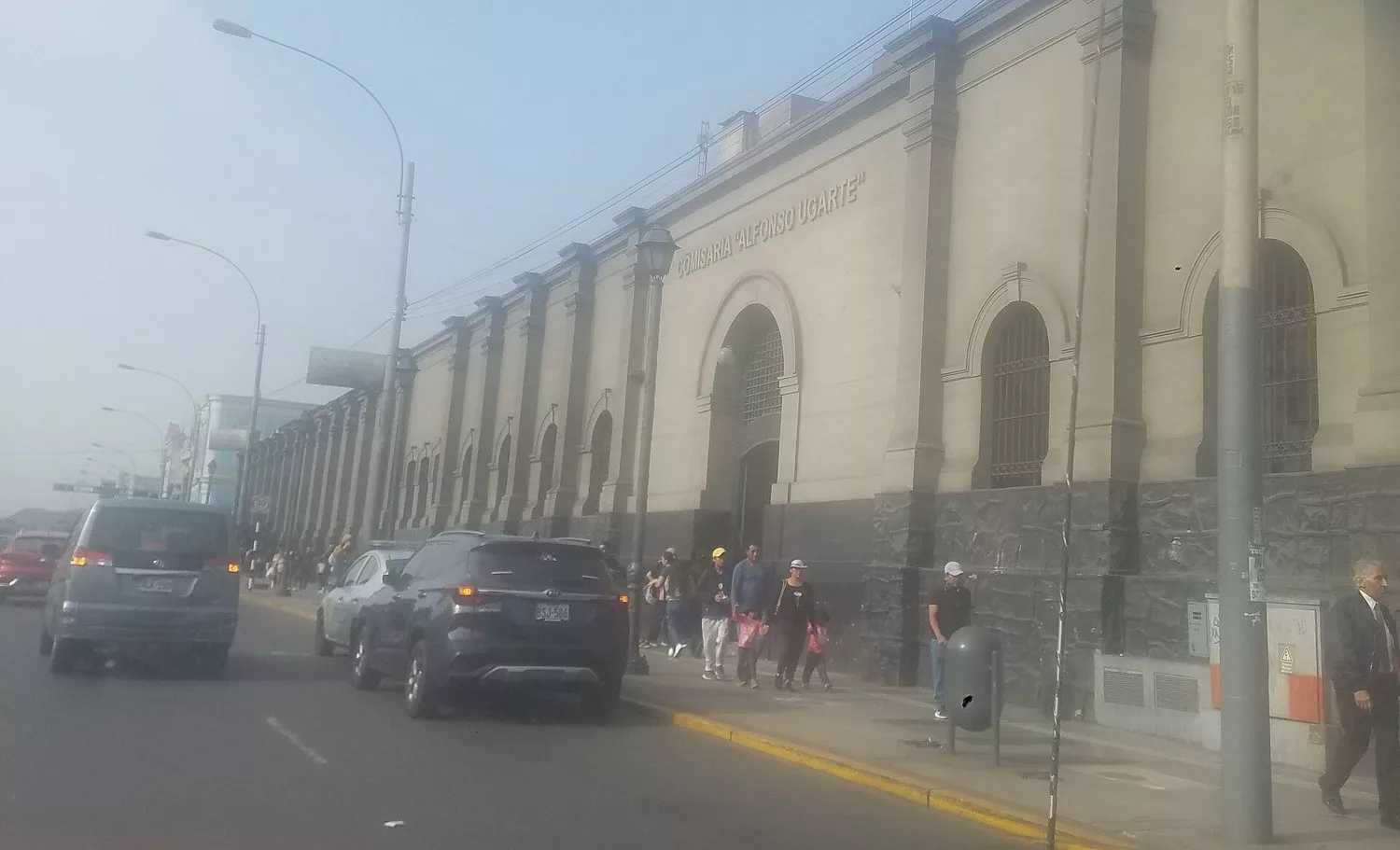
- —The catch Infobae found no visible police or military presence at Castro Castro in Lima on the first day.
- —Who it affects The five prisons are in Lima, Tacna, Pasco and La Libertad, four of Peru’s most affected regions.
- —What comes next The decree runs sixty days and can be renewed, which is how previous emergencies became permanent.
The decree covers the walls, not the wings. On the first morning, one Lima prison on the list had nobody standing outside it.
Peru has placed five maximum-security prisons under a state of emergency. The Peru prison emergency was announced on Friday and formalised by decree the next day.
Supreme Decree 128-2026 was published on Sunday, 6 September. It runs for sixty days.
The government of President Keiko Fujimori took office on 28 July. This is one of its first large security measures.
The stated target is organised crime run from inside the prisons. Officials say extortion rings direct operations by telephone from their cells.
Which Prisons Are Covered
Two of the five are in Lima. They are Miguel Castro Castro and Ancón I.
Challapalca sits in Tacna, high in the southern Andes. Cochamarca is in Pasco, and Trujillo Varones is in La Libertad.
The choice follows the map of extortion complaints. La Libertad and Lima produce the bulk of them.
Castro Castro was added after threats and explosives were found at its perimeter. Inmates there were also found to be in contact with criminal groups outside.
What the Decree Actually Does
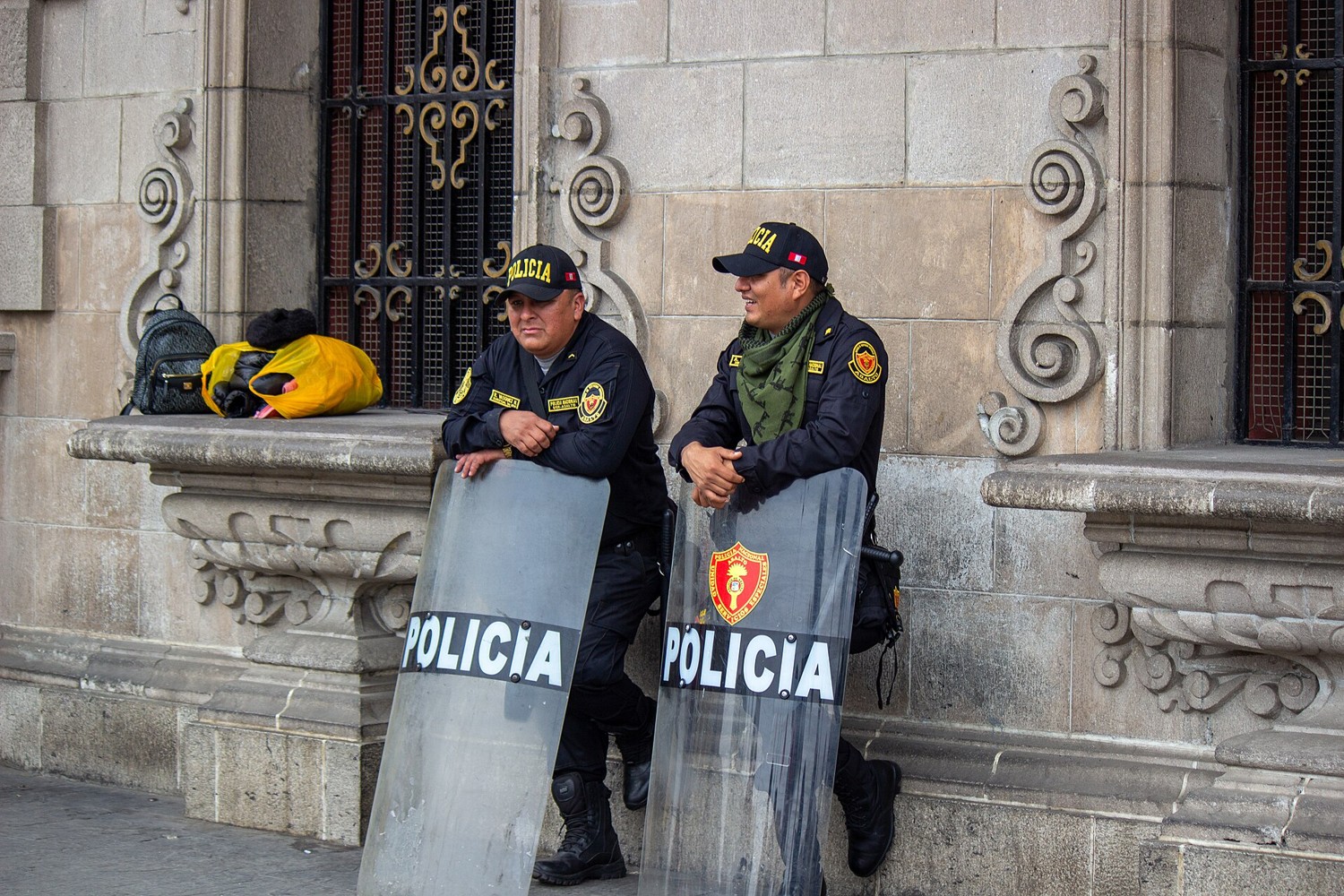
This is the detail foreign readers usually miss. The emergency covers the areas around the prisons, not the wings inside them.
The armed forces support the national police outside the walls. Running the prisons themselves remains the job of the penal authority.
A state of emergency in Peru suspends certain constitutional guarantees in the named area. It allows searches and detentions without a warrant.
It does not, by itself, remove a single telephone from a cell. That work happens inside, under different powers.
The Gap Infobae Found
On Sunday, Infobae went to look at Castro Castro. It reported no visible police or military guard at the perimeter.
The prison is in San Juan de Lurigancho, the most populous district in Lima. It is named in the decree.
That is not a legal exclusion. It is a deployment that had not arrived, on the day the decree was published.
The distinction matters for how the measure is judged. A decree without officers on the ground changes nothing at the gate.
Why Prisons Became the Front Line
Peru’s extortion problem has grown sharply over the past three years. Small businesses, transport operators and schools are the usual targets.
Investigators say a large share of the calls originate inside prisons. Mobile phones enter through visitors, staff and drones.
Blocking signals has been tried and has repeatedly failed. Equipment breaks, coverage leaks, and networks upgrade faster than the jammers.
Sending soldiers to the perimeter is the visible answer. It is also the fastest one to announce.
The Pattern to Watch
Peru has used states of emergency heavily in recent years. Districts of Lima have spent much of the past two years under one.
Sixty days is the standard term and renewal is routine. Several emergencies have run for more than a year through repeated extensions.
That is the risk with this one. An exceptional measure becomes the ordinary state of affairs, and the underlying problem is never addressed.
What to Watch
The first marker is whether soldiers appear at Castro Castro this week. A decree that is not staffed is a press release.
The second is whether extortion complaints fall in La Libertad. That is the number the government will be judged on.
The third is the first renewal in November. If it comes automatically, the emergency has become the policy.
More: Peru news in English, every day from The Rio Times.
Frequently Asked Questions
Which prisons are under the Peru prison emergency?
Five maximum-security prisons: Miguel Castro Castro and Ancón I in Lima, Challapalca in Tacna, Cochamarca in Pasco, and Trujillo Varones in La Libertad. The decree runs for sixty days.
Does the emergency cover the inside of the prisons?
No. It covers the perimeters and surrounding areas, with the armed forces supporting the national police outside the walls. Running the prisons themselves stays with the penal authority.
What did Infobae report about Castro Castro?
It reported on 6 September 2026 that there was no visible police or military presence at the prison’s perimeter, despite Castro Castro being named in the decree.
Sources: Infobae, El Comercio, Radio Nacional, TV Perú, El Peruano, Rio Times.
This article was produced by The Rio Times’ automated newsroom system. How we use AI · Report an error · Editorial responsibility: Matthias Camenzind, Editor-in-Chief