Peru Flood Rescues 135 at Ecuador Border
The same settlement went under water earlier this month, and officials now name neighbouring areas that could be next.
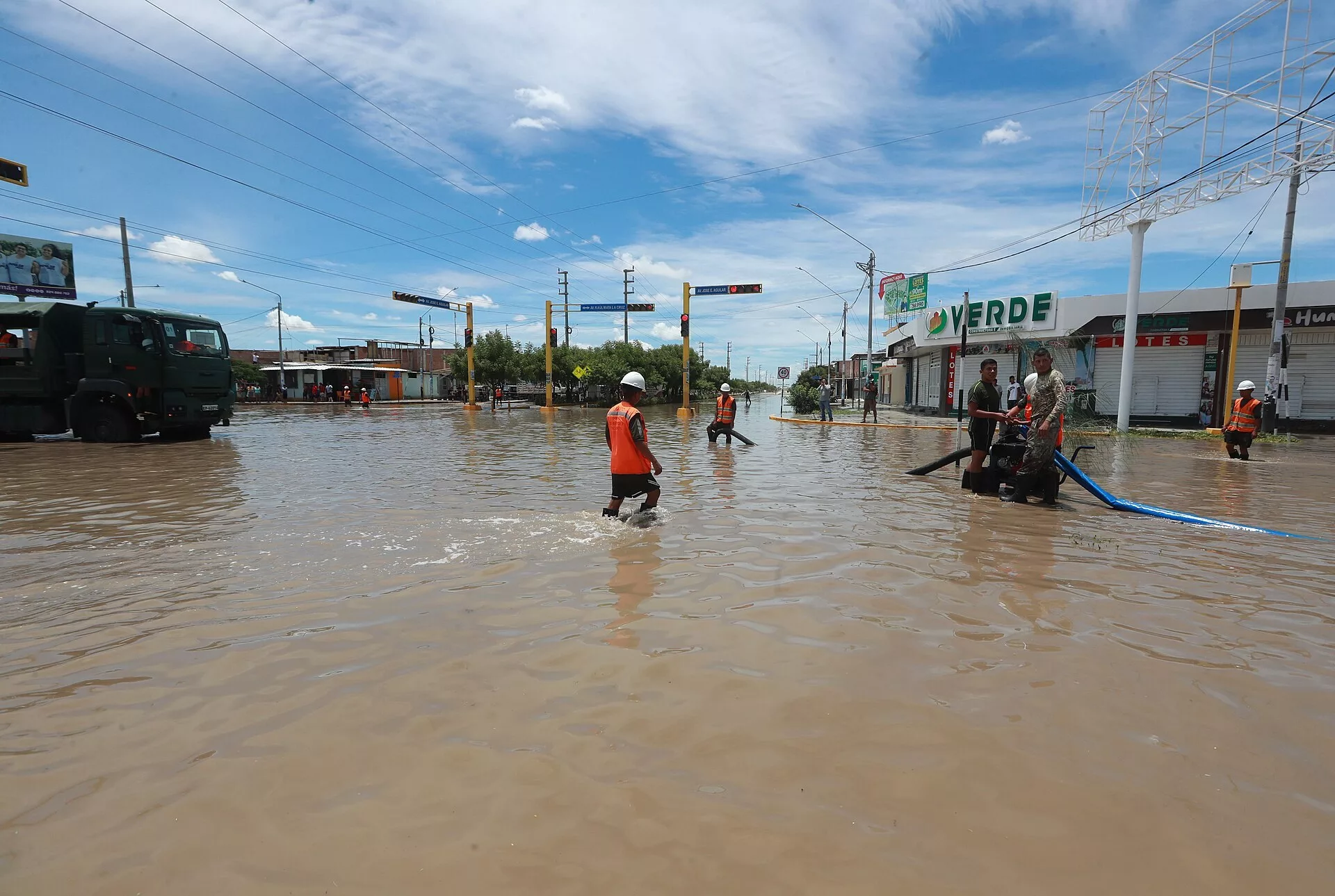
Flood: Peru
The Zarumilla river burst its banks in the early hours of Friday 20 November 2026 and flooded Puerto Perú, a riverside settlement on Peru’s border with Ecuador. Peru’s armed forces took 135 residents out of the settlement to a tent shelter at Villa Primavera.
Puerto Perú lies in the Aguas Verdes district of Tumbes region, and it had already been flooded once this month. The regional emergency operations centre (COER) of Tumbes now says residents of two more nearby areas, Tomás Arizola and Playa Sur, are at risk.
Key Facts
- Who. Peru’s armed forces moved 135 residents out of flooded Puerto Perú.
- What. The Zarumilla river flooded Puerto Perú in the early hours of Friday 20 November 2026.
- Where. Aguas Verdes district, Zarumilla province, Tumbes region, facing Huaquillas in Ecuador.
- Power Index. Peru ranks 5th of 14 in The Rio Times Latin America Power Index, with 53.9 points (November 2026 edition).
- As of. 21 November 2026, 03:00 GMT.
The same settlement went under water earlier this month, and officials now name neighbouring areas that could be next.
Puerto Perú has been here before. On Monday 2 November 2026 the river overflowed in Aguas Verdes, hitting Puerto Perú and the Tomás Arizola extension hardest, and residents said more than 300 families were affected.
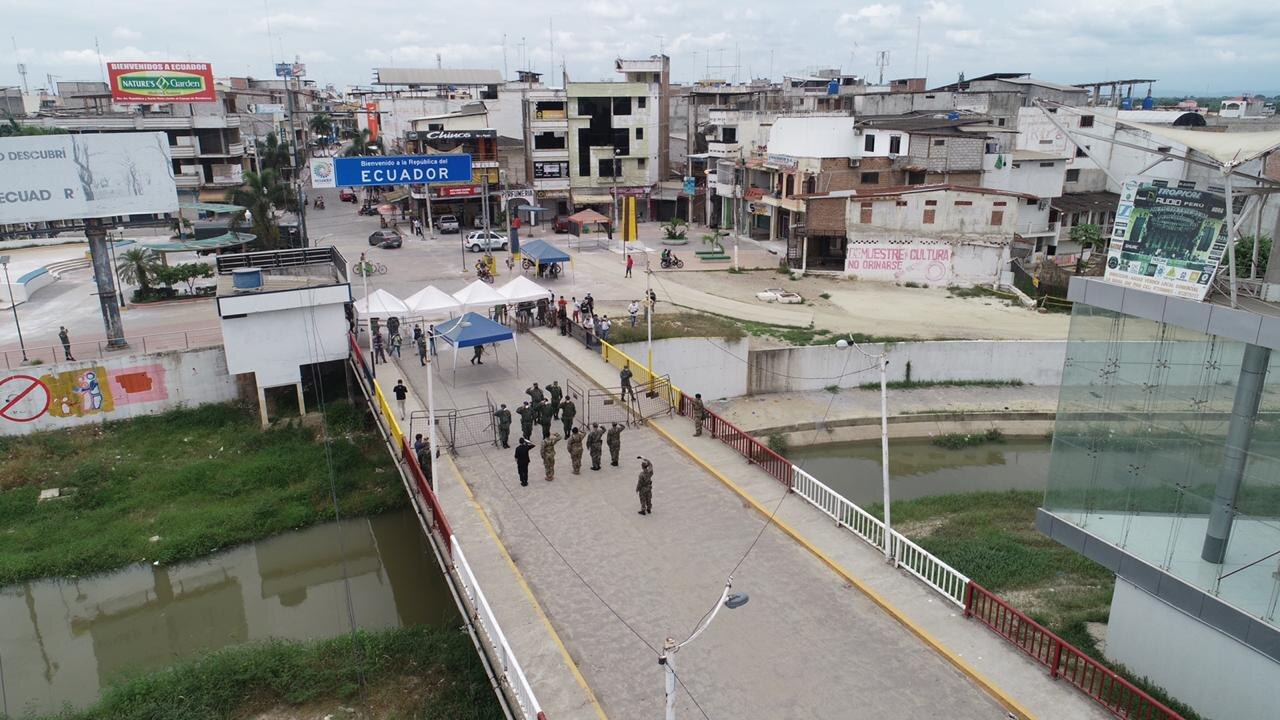
The danger was flagged in advance. In October Peru’s ombudsman, the Defensoría del Pueblo, warned that nearly 200 families in Puerto Perú and Tomás Arizola were exposed to the river.
The Tumbes river, a separate river in the same region, also reached the red-alert threshold on Friday at 1,069 cubic metres per second. It passed the red level on the morning of 2 November as well.
Liila Idrogo, the COER’s coordinator for Tumbes, said heavy rain at about 04:00 at a river-basin weather station called Palmales raised the river’s flow. She said the force of the water then broke 30 linear metres of the containment wall in Aguas Verdes.
The river reached a flow of about 500 cubic metres per second, which means roughly 500,000 litres of water passing a point every second. Idrogo gave that figure.
Peru’s armed forces took the 135 residents of Puerto Perú to the shelter at Villa Primavera, where people sleep in tents. All 135 are counted as “damnificados”, the official Peruvian term for people who lost their home or belongings.
The Ministry of Women and Vulnerable Populations is ensuring food and water for them. The Aguas Verdes health network, the Red de Salud Aguas Verdes, is screening children, older adults and other vulnerable people for dengue, diarrhoeal illness and respiratory infections.
Idrogo said residents of Tomás Arizola and Playa Sur, both in Zarumilla province, are at risk. Damage counts for Friday 20 November are not yet available.
Aguas Verdes faces Huaquillas, in Ecuador, across the border, and the crossing between them is a main road border. Authorities have not said whether traffic there is affected.
The 135 people in Villa Primavera depend on the tents, the food and water supplied by the ministry, and the health checks under way. Residents of Tomás Arizola and Playa Sur remain at risk.
Frequently Asked Questions
Who was moved out of Puerto Perú?
Peru’s armed forces took the residents of the settlement to a tent shelter at Villa Primavera. They are officially counted as people who lost their home or belongings.
Is the Zarumilla river the same as the Tumbes river?
No, they are separate rivers in the same region. The Zarumilla flooded Puerto Perú, while the Tumbes river reached its red-alert threshold.
Is the border crossing with Ecuador closed?
No official notice on traffic at the crossing had been published by early 21 November. Peru’s and Ecuador’s border authorities are the place to check.
Related coverage: Peru news · Peru’s Tumbes River Tops Red Alert Level · Peru Braces for More Extreme Rain in North
Sources
COER Tumbes (regional emergency operations centre) · Peru’s armed forces · Ministry of Women and Vulnerable Populations · Red de Salud Aguas Verdes (health network)
This article was produced by The Rio Times’ automated AI newsroom. Editorial responsibility: Matthias Camenzind, Publisher and Editor-in-Chief. The Rio Times also runs Ask Rio Times, which answers from 100,000+ of our own articles, the daily Latin America Power Map, and prediction-market odds on elections and markets.. How we use AI · Report an error