
Key Facts
- Who. Three economists took the oath on Monday 9 November as directors of Peru’s central bank.
- Who chose them. The Senate elected all three in October; they fill the seats Congress controls.
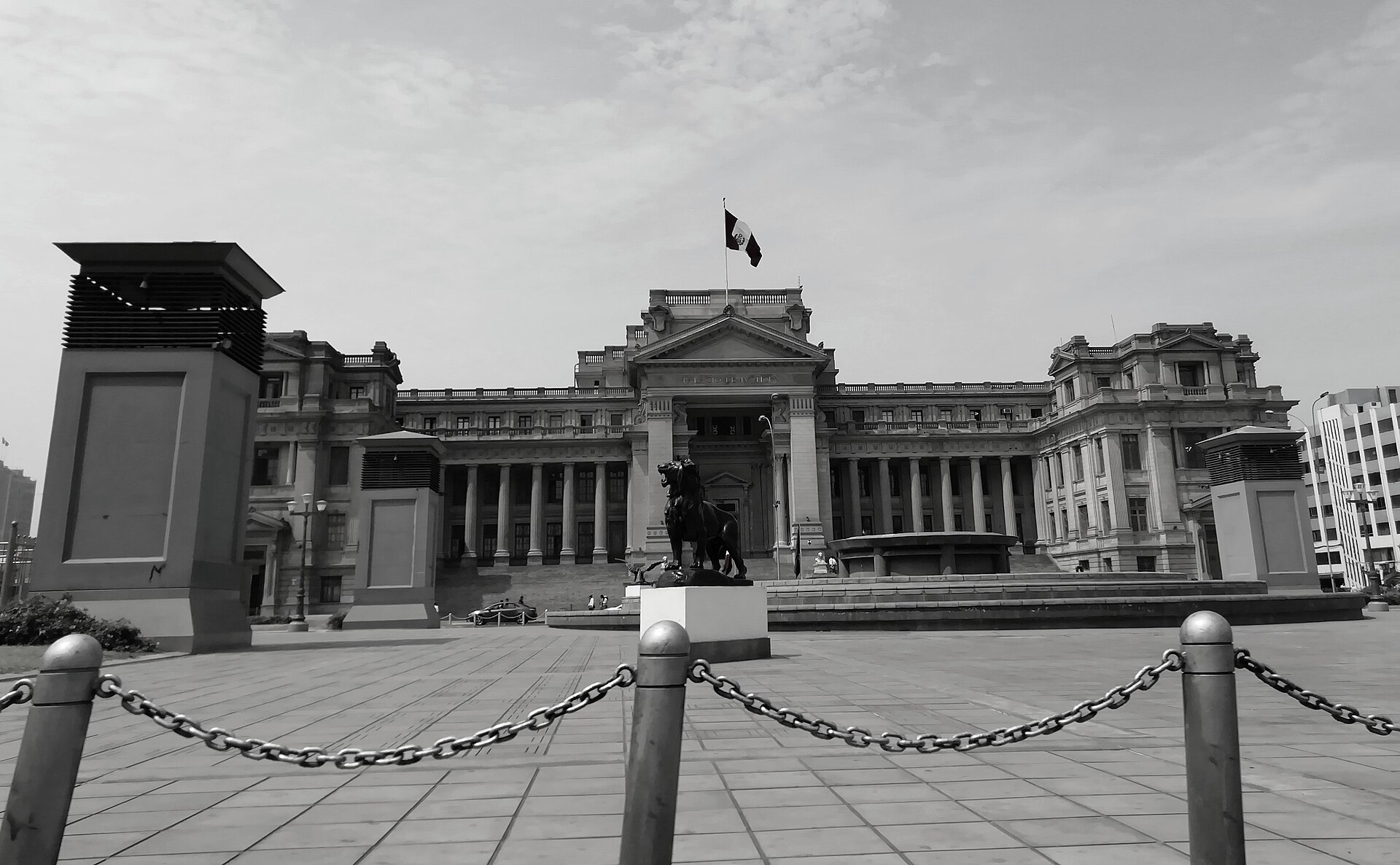
- Where. The ceremony was held at the Palace of Justice in Lima, before the head of the judiciary.
- Why it matters. The central bank board now has its full seven members, steadying policy on the sol.
- As of. 9 November 2026, 11:30 GMT
Peru’s central bank has a complete board again, after three directors chosen by the Senate were sworn in on Monday.
Three new directors joined the board of the Banco Central de Reserva del Perú (BCRP), Peru’s central bank, on Monday 9 November 2026. Janet Tello Gilardi, president of the Peruvian judiciary, administered the oath at the Palace of Justice in Lima.
The three are Oswaldo Molina Campodónico, José Ricardo Stok Capella and Juan José Marthans León. Their arrival completes the seven-member board that sets interest rates for the sol, Peru’s currency, which matters to anyone holding Peruvian bonds or shares.
Who Took the Oath and Why Before a Judge
The oath was taken before the head of the judiciary because Peru’s central bank law requires its president, directors and general manager to swear in before the Supreme Court of Justice. Tello Gilardi leads that court system, and her office is separate from the prime minister’s.
After the oath, the three signed the minutes book, which formally makes them members of the board. A court official read out the Senate resolution that elected them, Legislative Resolution 002-2026-2027-S.
That resolution is dated 21 October 2026 and carries the signatures of the Senate president, Miguel Ángel Torres Morales, and of its first vice president, Alejandro Muñante Barrios. It cites the Constitution and the central bank’s organic law as its legal basis.
How the Seven Seats Are Filled
Peru’s Constitution says the central bank is run by a board of seven members. The executive names four of them, including the bank’s president, and Congress names the other three.
The executive side was settled earlier. Julio Velarde, who has led the bank for years, was named president for 2026 to 2031 and took his oath before the same judge on Thursday 24 September.
Three other executive picks, Inés Marylin Choy Chong, Luis Miguel Palomino Bonilla and Gustavo Adolfo Yamada Fukusaki, were sworn in earlier, in August. With the three Senate choices, all seven chairs are now filled.
The Senate Pick and the Political Map
Candidates reached the Senate through party nominations, and its special procedures committee interviewed them in late September. Fuerza Popular, a conservative party, nominated Molina and Stok, and Renovación Popular, also conservative, nominated Marthans.
Marthans is a former head of Peru’s banking and pensions regulator, the SBS, and has sat on the central bank board before. The Rio Times could not independently confirm the career details of the other two new directors from official documents, so we do not describe them here.
Party sponsorship of Senate candidates is how the process works. The Senate elected the three directors for 2026–2031.
What Stable Policy Means for the Sol
Peru has one of the steadiest currencies in Latin America, and investors often cite the central bank as the reason. A full board with a long-serving president signals that the rules for setting rates are unlikely to change.
Any sign that board seats were being used as political prizes could weaken that reputation. For now, the full board and the fixed terms point to continuity.
What We Do Not Know
The Rio Times has not seen the full text of the resolution. The official notice also does not say when the board next meets on monetary policy.
We also do not know whether the new members will change how the board votes. Rate decisions are made as a group, and the bank’s next monetary policy meeting will give the first signal.
What It Means for You
If you hold Peruvian sovereign bonds or a US-listed fund with Peru exposure, this is a quiet piece of good news. A complete board lowers the risk of deadlock or gaps at a rate decision.
If you travel to or do business in Peru, nothing changes today. Watch the central bank’s next rate statement for any shift in tone, since that is where the new directors will first be visible.
Frequently Asked Questions
Who swore in the new Peruvian central bank directors?
Janet Tello Gilardi, president of Peru’s judiciary, administered the oath on 9 November 2026 at the Palace of Justice in Lima. The law requires central bank directors to swear in before the Supreme Court.
Who are the three new directors?
They are Oswaldo Molina Campodónico, José Ricardo Stok Capella and Juan José Marthans León. The Senate elected all three in October 2026.
How is Peru’s central bank board made up?
It has seven members. The executive appoints four, including the president, and Congress appoints three.
Why does the board matter for the sol?
The board sets interest rates, which drive the sol’s value. A full, stable board supports investor confidence in the currency.
Sources
Senate Legislative Resolution 002-2026-2027-S; Peru’s Constitution, Article 86; central bank organic law; Senate special procedures committee notices.
Connected Coverage
This article was produced by The Rio Times’ automated AI newsroom. Editorial responsibility: Matthias Camenzind, Publisher and Editor-in-Chief. The Rio Times also runs Ask Rio Times, which answers from 100,000+ of our own articles, the daily Latin America Power Map, and prediction-market odds on elections and markets.. How we use AI · Report an error