Peru · Business
Key Facts
—May 2026 Growth Peru’s international air cargo grew 10.3% in May 2026, the fastest rate among Latin America’s main markets, rebounding from a decline in April.
—Key Trade Corridors The expansion was driven primarily by the corridor with the United States, along with larger volumes moving between Peru and Chile, Brazil, and Ecuador.
—Agro-Export Context Peru is a leading global exporter of perishable goods like blueberries and avocados, which depend on rapid, temperature-controlled air freight to reach overseas markets.
—Airport Infrastructure Jorge Chávez International Airport in Lima, operated by Lima Airport Partners, is undergoing a major expansion to increase cargo handling capacity and support long-term growth.
—Industry Recognition Lima hosted the IATA World Cargo Symposium from March 10 to 12, 2026, highlighting the country’s rising prominence in global air logistics.
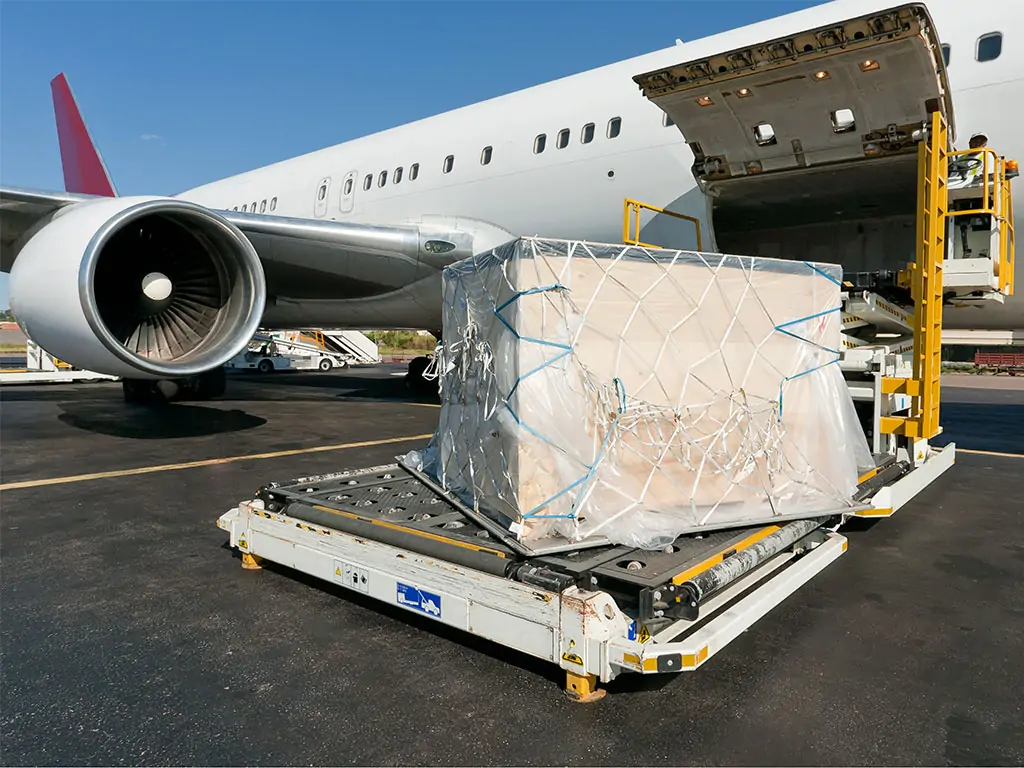
Peru air cargo growth reached 10.3% in May 2026, the fastest expansion recorded among Latin America’s main markets, according to regional air-cargo data reported by the business daily Gestión. The figure marks a sharp rebound from a decline in April and reinforces the Andean nation’s position as a critical logistics hub for foreign exporters and investors.
What Drove the 10.3% Surge in May
The May performance was driven mainly by the trade corridor with the United States, Peru’s largest commercial partner. Stronger volumes with Chile, Brazil, and Ecuador also contributed to the monthly expansion, reflecting deepening regional integration.
The double-digit increase stands out against a backdrop of more modest global air cargo demand. It signals that structural factors, rather than a one-off event, are lifting Peru’s air freight sector above regional peers.
Lima’s Jorge Chávez Airport: The Operational Hub
The vast majority of Peru’s air freight passes through Jorge Chávez International Airport, operated by Lima Airport Partners (LAP). The facility on Lima’s Pacific coast serves as the country’s primary gateway for both international and domestic cargo.
A major terminal expansion project is underway to increase capacity and avoid the bottlenecks that have constrained other Latin American hubs. For foreign investors, this infrastructure upgrade signals a long-term commitment by both the state and private operators to support growing trade volumes.
The airport’s strategic location makes it a natural transit point. Goods from Brazil’s western regions and other inland South American markets increasingly move through Lima to reach destinations in North America and Asia.
Agro-Exports and the Cold-Chain Advantage
Peru has cemented its status as a global agricultural powerhouse. The country is a leading exporter of blueberries and avocados, perishable goods that demand rapid, temperature-controlled air freight to reach consumers in the United States, Europe, and China.
Air cargo allows Peruvian agribusiness to deliver fresher products than sea freight competitors, commanding premium prices in international supermarkets. Extended harvest seasons and new market access agreements have further boosted export volumes.
For foreign companies, the growth in air freight is a signal of maturing cold-chain infrastructure. Investors in food processing or pharmaceutical logistics can now rely on validated temperature-controlled corridors running from the Andes to international markets.
A Logistics Advantage for Foreign Investors
The cost of doing business benefits from Peru’s open trade policy. The country maintains a network of free trade agreements covering more than 50 nations.
Combined with faster air transit times, this reduces tariff barriers and spoilage risk for high-value goods.
Nearshoring trends are amplifying the opportunity. Multinationals diversifying supply chains away from Asia increasingly view Peru as a stable platform.
Air cargo connectivity allows them to maintain just-in-time inventory for North American clients without relying on congested sea routes.
E-commerce logistics represent another growth driver. Cross-border online retail in Latin America is expanding, and Lima is developing as a fulfillment center.
Distribution networks rely on the airport’s cargo facilities to move small packages quickly across the hemisphere.
Global Recognition at the 2026 World Cargo Symposium
The global logistics community formally recognized Peru’s rise by selecting Lima as the host city for the IATA World Cargo Symposium from March 10 to 12, 2026. The event brought together airlines, freight forwarders, and ground handlers to discuss digitalization and sustainability.
Hosting the symposium placed a spotlight on local operational improvements. Discussions centered on electronic air waybills and advanced cargo screening, areas where Peruvian authorities are investing to align with international standards.
This international validation reduces perceived risk for foreign capital. When a global body like IATA convenes in a market, it often precedes a wave of investment in logistics real estate, trucking fleets, and cargo handling technology.
Navigating the Future: Infrastructure and Regulation
Sustaining strong growth requires continuous investment. The second runway and new passenger terminal at Jorge Chávez are designed to free up existing tarmac space for dedicated cargo aprons, directly benefiting freighter operations.
Regulatory efficiency is the next frontier. Customs clearance times and phytosanitary inspections for fresh produce must keep pace with volume.
Peru’s transport ministry and Ositran, the infrastructure regulator, are under pressure to digitize processes to prevent ground delays from eroding the speed advantage gained in the air.
For expat entrepreneurs and foreign logistics firms, the trajectory points to a clear entry point. The market is growing faster than the regional average, the regulatory framework is modernizing, and the physical infrastructure is expanding to meet future demand.
More: Peru news in English, every day from The Rio Times.
Frequently Asked Questions
What drove Peru air cargo growth to 10.3% in May 2026?
The surge was driven mainly by the trade corridor with the United States, alongside larger volumes with Chile, Brazil, and Ecuador. Peru’s broader air-cargo strength is underpinned by perishable agro-exports like blueberries and avocados, which require fast air transport.
How does Peru’s air cargo expansion benefit foreign investors?
It signals mature cold-chain infrastructure and trade connectivity. Investors gain reliable, fast export corridors for high-value goods, supported by Peru’s network of free trade agreements and ongoing airport expansion in Lima.
Which airport handles the majority of Peru’s air freight?
Jorge Chávez International Airport in Lima, operated by Lima Airport Partners, is the central hub. A major expansion is underway to increase its cargo handling capacity and support continued growth.
Connected Coverage
Peru’s Keiko Fujimori Names Pro-Business Economic Team
Peru’s Keiko Fujimori Pledges 15% Minimum-Wage Rise in First Presidential Address
Sources: Gestión.
This article was produced by The Rio Times’ automated newsroom system. How we use AI · Report an error
Read More from The Rio Times