IBOV 187,422.92 ▲ 0.44% IPSA 11,426.83 ▲ 0.61% IPC MEX 63,536.96 ▲ 0.25% MERVAL 2,998,979 — 0.00% COLCAP 2,580.80 ▲ 0.59% BVL PERÚ 59,529.36 ▲ 1.61% USD/BRL5.10▼ 0.17% USD/MXN17.29▲ 0.41% USD/CLP943.65▼ 0.59% USD/COP3,199▲ 0.72% USD/PEN3.38▲ 0.01% USD/ARS1,514▼ 0.02% USD/UYU40.06▲ 2.88% USD/PYG5,918▲ 3.14% USD/BOB11.85▲ 25.24% USD/DOP59.17▲ 3.53% USD/CRC445.27▲ 2.84% USD/GTQ7.63▲ 3.24% USD/HNL26.86▲ 3.32% USD/NIO36.62▲ 2.80% USD/VES850.29▼ 0.13% USD/PAB1.00— 0.00% USD/BZD2.00— 0.00% USD/JMD 157.28 — 0.00% USD/TTD6.74▲ 2.48% EUR/BRL5.84▼ 0.97% BRENT 88.88 ▼ 0.03% WTI 83.11 ▼ 0.11% IRON ORE 161.91 — — COPPER 6.61 ▲ 0.03% GOLD 4,461 ▲ 1.78% SILVER 65.59 ▲ 1.26% SOY 1,184 ▲ 3.20% CORN 480.50 ▲ 10.02% WHEAT 655.00 ▲ 3.93% COFFEE 317.25 ▼ 5.51% SUGAR 16.43 ▼ 1.79% ORANGE JUICE 138.55 ▼ 0.47% COTTON 85.03 ▲ 2.33% COCOA 5,719 ▲ 3.18% BEEF 223.60 ▼ 3.93% CATTLE 339.10 ▼ 3.16% LITHIUM 75.20 ▲ 1.47% PETR4 41.64 ▼ 0.05% VALE3 72.97 ▲ 0.83% ITUB4 38.60 ▼ 1.03% BBDC4 16.85 ▲ 0.36% ABEV3 14.89 ▼ 0.80% BBAS3 19.37 ▲ 0.47% B3SA3 14.26 ▼ 0.21% WEGE3 47.59 ▲ 0.49% PRIO3 59.14 ▼ 0.19% SUZB3 41.33 ▲ 2.35% RENT3 34.68 ▼ 0.09% AZZA3 15.89 ▼ 2.63% CSAN3 3.22 ▼ 1.83% RAIZ4 0.25 — 0.00% PCAR3 2.75 ▼ 0.36% GMAT3 3.65 ▼ 1.08% PSSA3 48.13 ▼ 0.54% CVCB3 1.33 ▼ 2.92% POSI3 3.36 ▲ 2.44% SLCE3 13.34 ▲ 0.30% NATU3 8.14 ▼ 0.73% IBOV 187,422.92 ▲ 0.44% IPSA 11,426.83 ▲ 0.61% IPC MEX 63,536.96 ▲ 0.25% MERVAL 2,998,979 — 0.00% COLCAP 2,580.80 ▲ 0.59% BVL PERÚ 59,529.36 ▲ 1.61% USD/BRL 5.16 ▲ 0.01% USD/MXN 17.06 ▼ 0.24% USD/CLP 913.98 ▲ 0.04% USD/COP 3,140 ▲ 0.03% USD/PEN 3.36 ▼ 0.66% USD/ARS 1,493 ▲ 0.10% USD/UYU 40.27 ▲ 1.24% USD/PYG 5,939 ▲ 1.68% USD/BOB 11.64 ▼ 0.76% USD/DOP 58.34 ▲ 1.25% USD/CRC 445.92 ▲ 0.89% USD/GTQ 7.62 ▲ 2.21% USD/HNL 26.79 ▲ 1.57% USD/NIO 36.62 ▲ 0.69% USD/VES 762.44 ▼ 0.13% USD/PAB 1.00 — 0.00% USD/BZD 2.00 — 0.00% USD/JMD 157.28 — 0.00% USD/TTD 6.70 ▲ 0.61% EUR/BRL 5.95 ▲ 1.01% BRENT 88.88 ▼ 0.03% WTI 83.11 ▼ 0.11% IRON ORE 161.91 — — COPPER 6.61 ▲ 0.03% GOLD 4,461 ▲ 1.78% SILVER 65.59 ▲ 1.26% SOY 1,184 ▲ 3.20% CORN 480.50 ▲ 10.02% WHEAT 655.00 ▲ 3.93% COFFEE 317.25 ▼ 5.51% SUGAR 16.43 ▼ 1.79% ORANGE JUICE 138.55 ▼ 0.47% COTTON 85.03 ▲ 2.33% COCOA 5,719 ▲ 3.18% BEEF 223.60 ▼ 3.93% CATTLE 339.10 ▼ 3.16% LITHIUM 75.20 ▲ 1.47% PETR4 41.64 ▼ 0.05% VALE3 72.97 ▲ 0.83% ITUB4 38.60 ▼ 1.03% BBDC4 16.85 ▲ 0.36% ABEV3 14.89 ▼ 0.80% BBAS3 19.37 ▲ 0.47% B3SA3 14.26 ▼ 0.21% WEGE3 47.59 ▲ 0.49% PRIO3 59.14 ▼ 0.19% SUZB3 41.33 ▲ 2.35% RENT3 34.68 ▼ 0.09% AZZA3 15.89 ▼ 2.63% CSAN3 3.22 ▼ 1.83% RAIZ4 0.25 — 0.00% PCAR3 2.75 ▼ 0.36% GMAT3 3.65 ▼ 1.08% PSSA3 48.13 ▼ 0.54% CVCB3 1.33 ▼ 2.92% POSI3 3.36 ▲ 2.44% SLCE3 13.34 ▲ 0.30% NATU3 8.14 ▼ 0.73%
since 2009
Tuesday, September 22, 2026

Agri Business Argentina

Patagonia’s Bold Plan: Transforming Arid Land into a Corn Haven

By · July 23, 2024 · 2 min read

The LatAm Brief

One email, every weekday morning. What moved in Latin American markets, politics and expat life.

Yesterday’s subject line: “68 strikes, 223 people. A UN expert says murder.”

Free. We send a confirmation link first — nothing arrives until you click it. Unsubscribe with one click in any edition. If you stop opening us for 30 days we stop sending by ourselves, as we assume the interest is no longer there. See our privacy policy. We never share your email.

Corn cultivation south of Argentina’s Colorado River is a well-established agricultural practice in the region.

This year, the corn leafhopper spread Spiroplasma disease, devastating much of the crop. This disaster has pivoted attention toward northern Patagonia as a new agricultural frontier.

The region’s cooler climate and minimal pest prevalence make it an unlikely but promising new hub for corn production.

Here, traditional farming struggles due to low rainfall, necessitating costly irrigation systems.

The Buenos Aires Grain Exchange cut Argentina’s 2023–24 corn forecast to 46.5 million tons from 49.5 million, citing damage from corn leafhoppers and recent poor weather.

This reduction is largely due to the destructive impact of the corn leafhopper and unfavorable weather conditions two months prior.
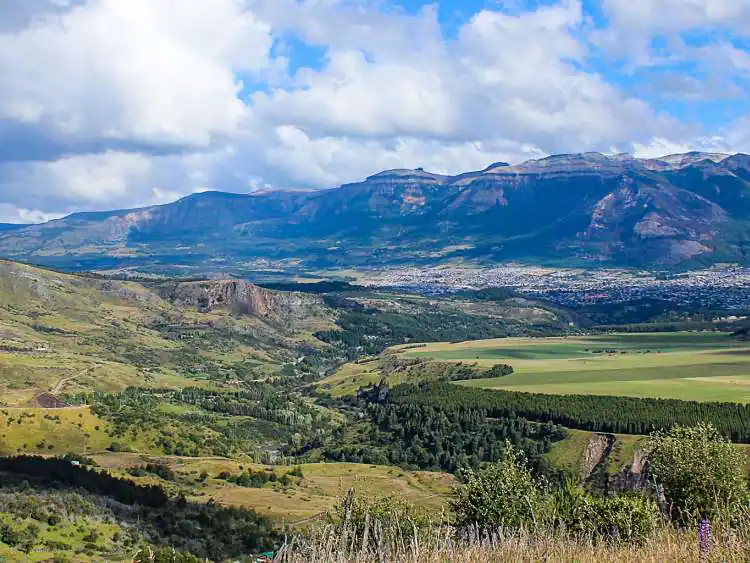
Patagonia's Bold Plan: Transforming Arid Land into a Corn Haven.
Patagonia’s Bold Plan: Transforming Arid Land into a Corn Haven.
One-stop reference
Company Intelligence
Every listed company in Latin America — financials, ownership and structure for 1,450+ companies across 26 exchanges, in one place.
Browse the directory →
RT
Ask Rio Times
Latin American markets, currencies and companies.
Open the full Ask Rio Times →

Despite challenges, some fields yield up to 20,000 kilograms per hectare, far above the 8,000 national average. Luis Bertoia highlights northern Patagonia’s ample water resources as key.

The Negro River, in particular, provides a nearly cost-free water supply that could sustain expansive grain cultivation.

Currently, 350,000 hectares of land are irrigated in Patagonia, but plans are underway to expand this to 1 million hectares.

Achieving this goal would require significant infrastructure improvements supported by various government levels.

Currently, Patagonia is a minor player in national corn statistics, cultivating 25,000 hectares compared to the 7.6 million hectares nationwide.

Market analyst Eugenio Irazuegui observes that Patagonia’s unique conditions might lessen risks such as pest invasions amid expansion concerns.

Additionally, the region’s capacity to grow corn for livestock aligns with its beef industry, potentially lowering feed costs.

Patagonia’s Bold Plan: Transforming Arid Land into a Corn Haven

Interestingly, Patagonia’s status as a region free from foot-and-mouth disease enhances its appeal as an export-oriented agricultural zone.

Recent approvals for beef exports from Río Negro to Japan highlight the potential for international market penetration.

Patagonia’s agricultural expansion could boost local economies and elevate Argentina’s global market position.

This article was produced by The Rio Times’ automated newsroom system. How we use AI · Report an error

Read More from The Rio Times

The Rio Times · Power Map
See who really holds power in Latin America
Click to open the Power Map

Rotate for Best Experience

This report is optimized for landscape viewing. Rotate your phone for the full experience.