Afreximbank PAPSS Expects China and India Links by Early 2027
PAN-AFRICAN · FINANCE
Key Facts
- —What was said PAPSS chief executive Mike Ogbalu III said he expects the system to connect to payment networks in China, India and Brazil.
- —When At a briefing in Lagos on 7 September 2026. The timeline he gave was the first quarter of 2027.
- —What PAPSS is The Pan-African Payment and Settlement System, launched in January 2022 by Afreximbank and the African Union.
- —What it does It settles cross-border payments between African countries in local currencies, without routing them through the dollar or the euro.
- —What is not there yet No agreement has been announced, no counterparty named and no memorandum published. Afreximbank’s own statement of 11 September does not mention the plan.
- —Why it matters If it happens, Africa’s trade with its two largest partners would settle outside the dollar system.
An expectation, stated at a briefing. That is a different thing from a signed deal, and worth keeping straight.
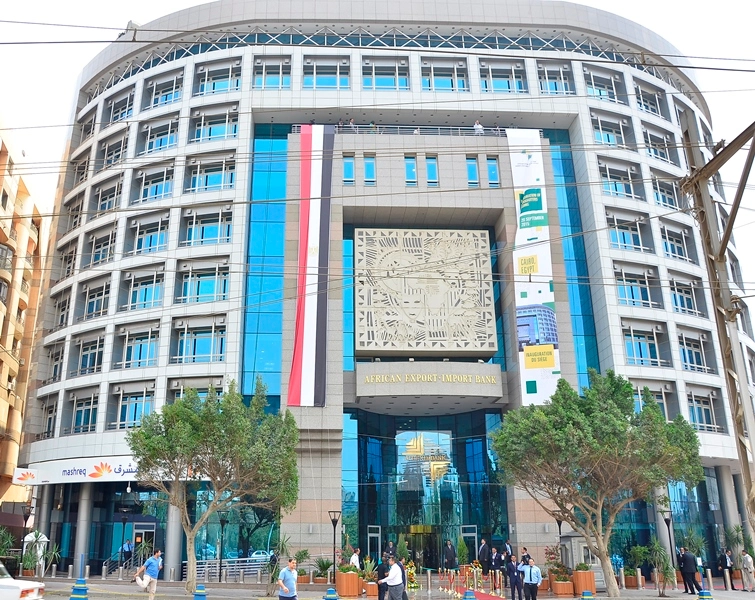
PAPSS chief executive Mike Ogbalu III spoke at a briefing in Lagos on 7 September 2026. He said he expects the system to link to networks in China, India and Brazil by early 2027. No agreement has been announced and no counterparty named.
What Was Actually Said
Ogbalu spoke at a briefing in Lagos on 7 September 2026, ahead of a wider Afreximbank event.
He named China, India and Brazil as the systems PAPSS expects to connect with. The timing he gave was the first quarter of 2027.
He described this as an expectation rather than a concluded arrangement.
Afreximbank has published nothing since naming a counterparty, and its statement of 11 September does not refer to the plan.
Why the Distinction Matters
A payment-system link is a technical and legal arrangement between two central banks or two operators.
It requires messaging standards, settlement accounts, legal agreements and, usually, regulatory approval on both sides.
None of that has been announced. What exists publicly is a target date given by an executive.
The plan may well proceed, but at this stage it has not been confirmed by any party on the other side.
What PAPSS Does Today
The system was launched on 13 January 2022 by Afreximbank and the African Union.
It lets a buyer in one African country pay a seller in another in their own currencies.
Settlement between the two central banks happens later, in net terms, which is where the saving comes from.
Without it, a payment from Lagos to Nairobi typically travels through a correspondent bank in New York or London.
The Cost It Is Meant to Remove
Routing through a third currency means two conversions, two spreads and two sets of fees.
For a small importer, those costs can exceed the margin on the shipment itself.
They also add days, because the payment waits in a correspondent chain it does not control.
Cutting the chain is the practical argument for PAPSS, and it holds whether or not the geopolitics are discussed.

Why China, India and Brazil
China is Africa’s largest single trading partner and India is among the top three.
Brazil matters for agricultural trade, particularly with West Africa and Angola.
China operates CIPS, a cross-border renminbi settlement system, and India has built a large domestic payments stack.
Those are the obvious counterparties for any African system looking outward.
The Case for Scepticism
PAPSS has taken several years to sign up African central banks, and adoption inside the continent is still uneven.
Connecting to an external system is harder, not easier, because sanctions compliance and capital controls enter the picture.
Chinese and Indian regulators set their own terms, and neither has said anything publicly about this.
A first-quarter 2027 date is ambitious for an arrangement that has not yet been announced.

The Wider Contest
Payment rails have become a quiet front in the competition over trade and influence.
Beijing has spent a decade promoting renminbi settlement, while Washington’s leverage rests partly on dollar clearing.
African institutions have generally tried to add options rather than pick a side.
Connecting to several external systems at once, if it happens, would be consistent with that approach.
What to Watch
A statement from a Chinese, Indian or Brazilian operator or central bank, which is what would turn this into news.
Any memorandum published by Afreximbank naming a counterparty.
PAPSS transaction volumes inside Africa, the test of whether the core system is working.
And the number of African central banks live on the platform, which has been the slow variable throughout.
More: Africa news and analysis, every day from The Rio Times.
Frequently Asked Questions
What did the PAPSS chief executive say?
He expects links to payment systems in China, India and Brazil by early 2027. He said so in Lagos on 7 September 2026.
Has an agreement been signed?
No agreement has been announced and no counterparty named. Afreximbank’s own release of 11 September does not mention the plan.
What is PAPSS?
The Pan-African Payment and Settlement System. Afreximbank and the African Union launched it in January 2022 to settle African trade in local currencies.
How does it save money?
It removes the need to convert through the dollar or euro, cutting two currency spreads and the fees attached to them.
Why those three countries?
China and India are among Africa’s largest trading partners, and Brazil is a major agricultural supplier.
Is the 2027 date realistic?
It is ambitious. Cross-border payment links require regulatory approval on both sides, and none has been confirmed.
Sources: Remarks by PAPSS chief executive Mike Ogbalu III at a briefing in Lagos, 7 September 2026; Afreximbank corporate statements; PAPSS platform documentation.
This article was produced by The Rio Times’ automated newsroom system. How we use AI · Report an error
LatAm Markets: Live Signals → — real-time movers, turnover leaders and FX across Latin America.
Read More from The Rio Times