The Jamaica Remittance Market Takes In US$3.5 Billion a Year. Africa Sends Almost None of It.
KENYA · FINANCE
Key Facts
- —The deal Kenyan payments company WapiPay has partnered with Jamaica’s JN Money Services.
- —What it does WapiPay customers will be able to send money to Jamaica for cash pickup or bank deposit.
- —The prize Jamaicans abroad sent home US$3.49bn in 2025, roughly a fifth of the island’s economy.
- —Where it comes from The United States alone accounts for 60% of that flow. Britain and Canada take most of the rest.
- —Africa’s share Every country outside the main fourteen sources combined sent 1.09% of the total.
- —The catch This is not an Africa-to-Jamaica corridor. It is a Kenyan firm bidding for North American money.
Jamaica receives more money from its diaspora than it earns from bauxite. Almost none of it comes from Africa.
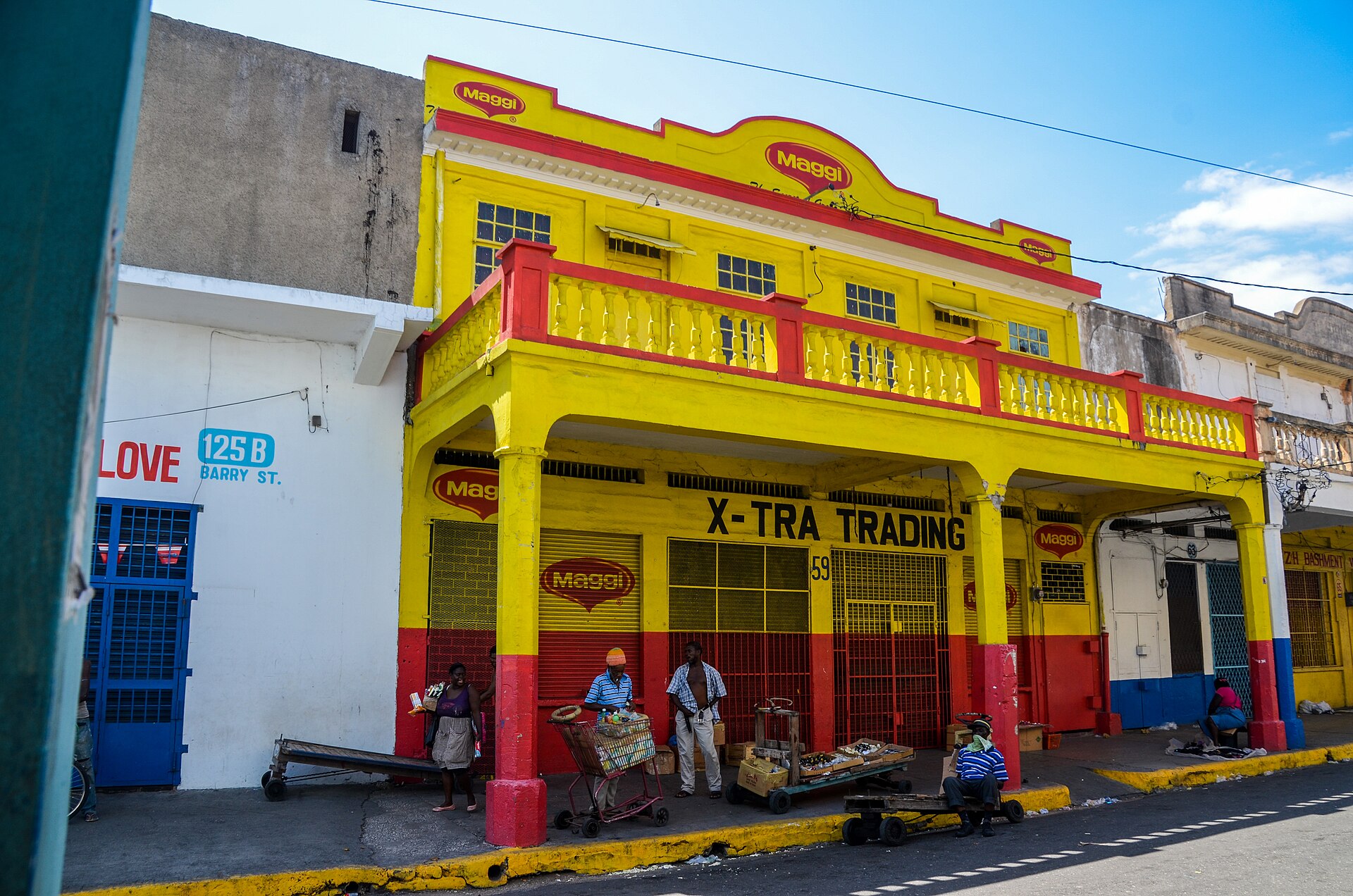
Jamaica has 2.8 million people at home and roughly the same number abroad. The Jamaica remittance market is what those people send back, and it dwarfs most of the island’s exports.
It took in US$3.49bn in 2025 on the central bank’s own figures, close to a fifth of national output. A Kenyan company has just turned up looking for a share.
What Was Agreed
WapiPay, a Nairobi-based cross-border payments firm, signed a partnership with JN Money Services on 3 September 2026. JN Money is the remittance arm of one of Jamaica’s oldest financial institutions.
The effect is straightforward. WapiPay customers will be able to send money into Jamaica for collection in cash or deposit into a bank account.
JN Money is the licensed local partner handling the payout end. WapiPay is the sending side, which is the half that has to win customers.
No launch date has been published. Reports of a rollout by December 2026 do not trace to either company.
Who WapiPay Is
It is not a startup in a garage. WapiPay holds a cross-border remittance licence from the Central Bank of Kenya, granted in January 2023.
It processed around US$500m in 2024, roughly a tenth of the US$4.94bn Kenyans abroad sent home that year. It operates across 23 countries and handles about 100,000 transactions a day.
Its history has a bruise in it. A lead investor withdrew in 2021 after a public scandal involving the company’s founders.

The Number That Reframes the Story
Coverage of this deal describes a Nairobi to Kingston corridor. The Bank of Jamaica’s own data makes that hard to sustain.
The central bank breaks inbound remittances down by source country and names fourteen of them. Not one is in Africa.
Everything outside those fourteen, meaning every other country on earth, sent US$37.9m in 2025. That is 1.09% of the total.
The United States alone accounted for 60.3%. Britain and Canada take most of what is left.
So this is not money moving from Kenya to Jamaica. It is a Kenyan company building a payout rail to compete for North American and British flows.
That is a perfectly good business proposition. It is simply a different one from the story being told about it.
A Figure Worth Correcting
One number has travelled with this story and it is wrong. Jamaica’s 2025 remittance inflows have been reported as US$2.5bn.
The central bank’s table gives US$3.49bn gross, US$3.25bn net of outflows, and US$3.50bn in net transfers. None of those is US$2.5bn.
The real figure is about 28% higher than the one in circulation. It understates the size of the prize rather than exaggerating it.
The Diplomacy Underneath
There is a state-level layer to this that predates the commercial deal. Kenya opened its first resident High Commission in Kingston this year.
The High Commissioner, Mwenda Karisa, arrived to take up the post on 13 July 2026. Kenya had previously covered Jamaica from its embassy in Havana.
Kenya has been expanding its diplomatic presence in the Caribbean, and the payments link fits that pattern. Governments open embassies and companies follow, or sometimes the other way around.
Whether the commercial case rests on Africa-Caribbean trade rather than remittances is the question the announcement does not answer. Trade between the two regions is small and the data on it is thin.
Why Any of This Matters
Jamaica remittance flows are typical of a wider pattern. Such transfers are larger than foreign aid and steadier than investment across the developing world.
They are also expensive. Sending US$200 across a border costs an average of around 6% globally, against a United Nations target of 3%.
Every new entrant to a corridor puts downward pressure on that cost. For a Jamaican family receiving money monthly, a percentage point is a real sum.
That is the case for taking this deal seriously, and it has little to do with Nairobi. It has to do with whether another competitor in the Jamaica remittance market makes everyone cheaper.
More: Africa news in English, every day from The Rio Times.
Frequently Asked Questions
How big is the Jamaica remittance market?
US$3.49bn in gross inflows in 2025, according to Bank of Jamaica data, equivalent to roughly a fifth of national output.
Where does the money come from?
The United States accounts for 60.3% of inflows. Britain and Canada take most of the remainder, and every country outside the fourteen main sources combined accounts for 1.09%.
Is this a Kenya to Jamaica money corridor?
Not in any meaningful sense. No African country appears among the Bank of Jamaica’s named source countries. WapiPay is building a payout capability in Jamaica to compete for existing North American and British flows.
Who is WapiPay?
A Nairobi-based cross-border payments firm licensed by the Central Bank of Kenya since January 2023. It processed about US$500m in 2024 and operates in 23 countries.
When does the service launch?
No launch date has been published by either company. Reports of a December 2026 rollout do not trace back to WapiPay or JN Money.
Sources: Bank of Jamaica remittance statistics, Jamaica Observer, TechMoran, Voice Online, Business Daily Africa and Kenya’s Ministry of Foreign Affairs.
This article was produced by The Rio Times’ automated newsroom system. How we use AI · Report an error
Read More from The Rio Times