Panama Shuts Darien Routes Amid U.S. Support for Migrant Repatriation
On July 1, José Raúl Mulino began his term as Panama’s president and immediately acted to curb illegal migration.
During his presidential campaign, Mulino pledged to close the Darién Gap, a dense jungle corridor serving as the only land route between Colombia and Panama.
In recent days, his government has closed three routes through the Darien jungle on the Colombian border.
Panama’s National Border Service (Senafront) announced blocked passages along the Pacific and Caribbean coasts and the Chucurti milestone area, now secured with barriers.
These closures aim to reduce the influx of migrants into Bajo Chiquito, the first Panamanian town after the Darien jungle.
This move aligns with Mulino’s promise to tackle illegal migration, influenced by criminal organizations.
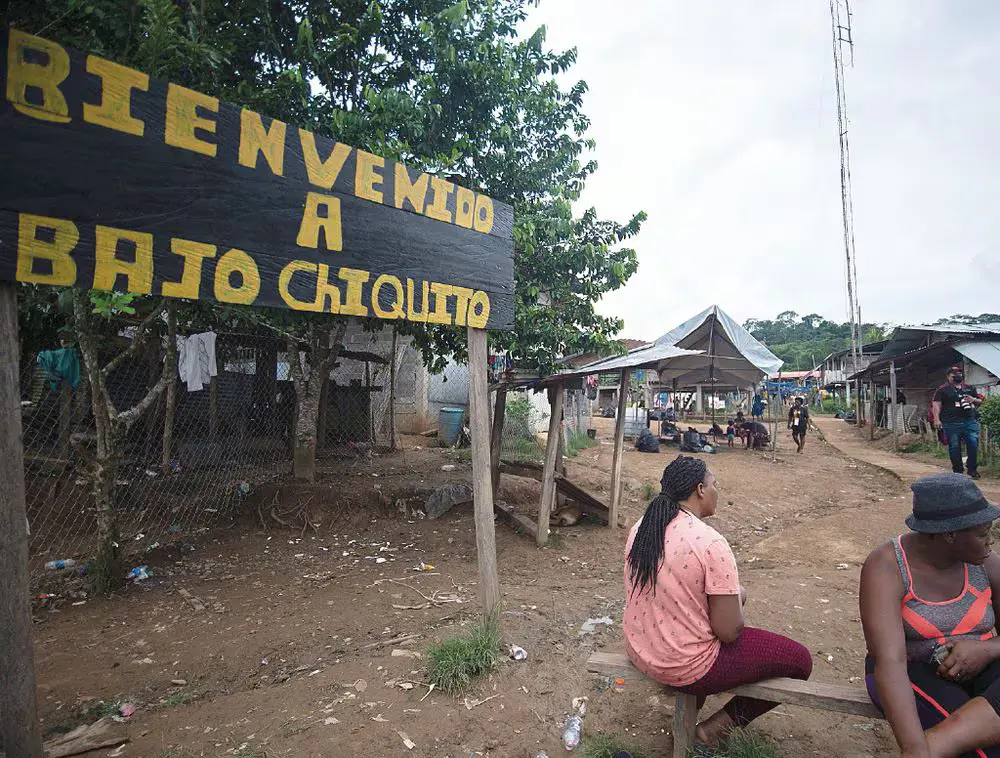
“We won’t let Panama be a path for thousands entering illegally, driven by international crime rings,” President Mulino declared.
In 2023, 520,085 migrants crossed the Darien jungle heading to the U.S., including 328,650 Venezuelans, per Colombia’s Ombudsman.
Between January 1 and June 20, 2024, Panama recorded 186,969 migrants entering through the Darien, with significant numbers of Venezuelans, Ecuadorians, and Colombians.
During his inauguration, Mulino emphasized addressing these challenges directly as a mandate from the Panamanian people.
Panama Shuts Darien Routes Amid U.S. Support for Migrant Repatriation
The border closure coincides with a new agreement between Panama and the U.S. to repatriate migrants.
The U.S. Department of Homeland Security (DHS) will aid Panama with training and capacity building to ensure safe and humane repatriation procedures.
This partnership reflects a regional approach to managing migration, as stated by the U.S. Embassy in Panama.
This move follows a recent U.S. policy suspending asylum requests at the Mexican border when illegal crossings surpass 2,500 daily.
President Joe Biden’s executive order allows rapid deportation of migrants, highlighting the urgency of managing unprecedented migration levels.
These developments underscore the complex challenges of migration in the Western Hemisphere and the need for coordinated international responses.
More: Latin America news in English, every day from The Rio Times.
This article was produced by The Rio Times’ automated newsroom system. How we use AI · Report an error
Read More from The Rio Times