From Nairobi to Haiti: Kenyan Police Under Global Scrutiny
In Nairobi, as demonstrators clashed with police over a contentious financial bill, the scenes captured a deeper irony.
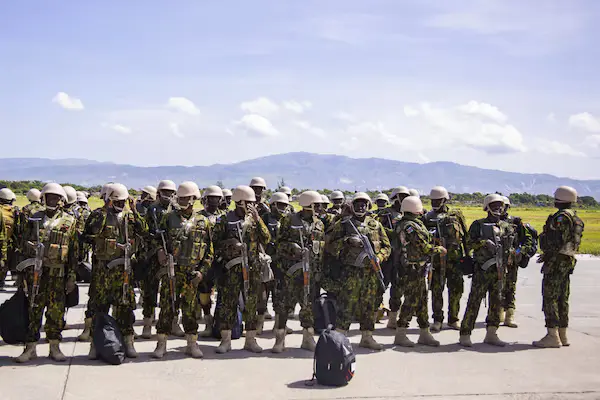
The Kenyan police, struggling to manage unrest at home, are tasked with maintaining order in Haiti. This assignment calls their qualifications into question on the international stage.
The protests were sparked by severe tax hikes embedded within the new finance bill, proposed under President William Ruto’s administration.
This legislation intensified already growing concerns over living costs. On voting day, protesters, mainly young Kenyans organized via social media, forcefully entered parliament.
Additionally, this led to the deaths of five individuals and numerous injuries. The police, in an attempt to quell the disturbance, resorted to firing live ammunition and using tear gas.
As part of this chaos, internet disruptions occurred, further isolating voices of dissent.
More troubling were the reports from Amnesty International detailing the abduction of 21 Kenyans by identifiable and unidentified officers amidst the protests.
However, this fierce response has only fueled the public’s frustration and deepened the crisis of confidence in law enforcement.
Kenyan Police in Haiti
The unfolding situation sees Kenyan police poised to assist in stabilizing Haiti, a move met with skepticism from global observers.
Haitian human rights groups have raised alarms, fearing that the oppressive tactics seen in Kenya could be replicated on Haitian soil.
This juxtaposition starkly portrays a police force grappling with domestic legitimacy while simultaneously tasked with exporting law and order abroad.
The #OccupyParliament movement, born from these protests, symbolizes a critical turning point for Kenyan civic activism, pushing against economic and social injustices.
As this movement grows, it challenges not just national policies but also the global narrative of peacekeeping and police integrity.
The unfolding events in Kenya offer a profound lesson on the complexities of governance and international diplomacy.
In addition, they highlight the need for genuine reform and consistent law enforcement practices.
The global community continues to watch closely. They are hopeful that dialogue and reform can prevail over force and suppression, both in Kenya and in its international engagements.
More: Latin America news in English, every day from The Rio Times.
This article was produced by The Rio Times’ automated newsroom system. How we use AI · Report an error · Editorial responsibility: Matthias Camenzind, Editor-in-Chief
Part of our ongoing coverage
Africa: The New Scramble — the great-power contest over the continent.
Living in or visiting Nairobi? See this month's events and our Nairobi city guide with rents, safety and upcoming concerts.