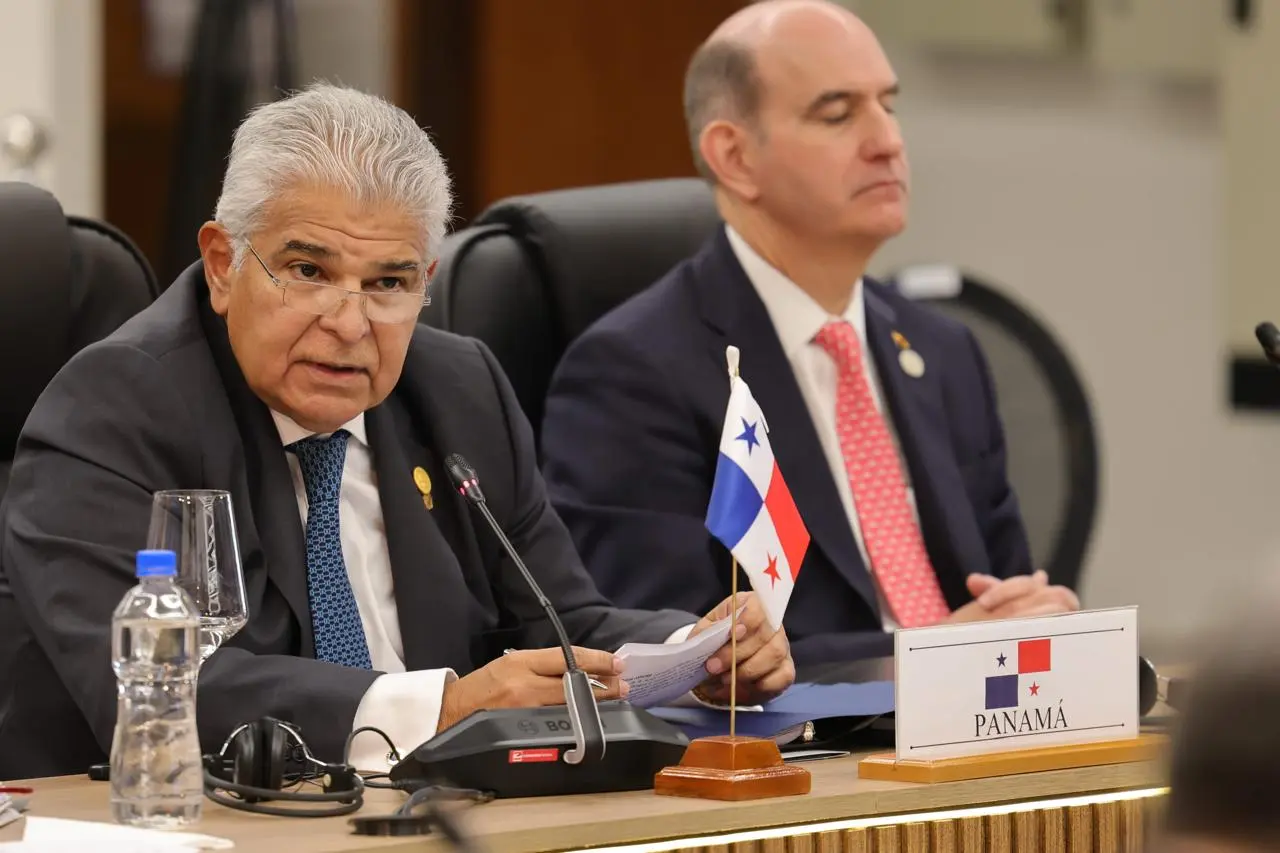
Panama, a nation of approximately 4.5 million residents, officially became an associated state of Mercosur on Friday. This status does not grant Panama voting rights within the bloc but positions it closer to a significant player in global trade.
President José Raúl Mulino signed the agreement, expressing that joining Mercosur represents a “tremendous opportunity.” He emphasized that this move is crucial for enhancing Panama’s foreign trade, international relations, and regional integration.
The association will enable Panama to explore free trade avenues with other member countries. The Panamanian Ministry of Commerce and Industries noted that integrating into Mercosur strengthens the country’s ties with the bloc.
It also enhances Panama’s ability to attract strategic investments and boosts its competitiveness in the region. Understanding the concept of an “external associated state” is essential.
This designation serves as a preliminary step toward full membership in Mercosur. The organization was established in 1991 by Argentina, Brazil, Paraguay, and Uruguay.
Bolivia exemplifies this pathway; it became an associated state in 1996 and initiated its full membership process in 2012, achieving complete integration in July 2024.
Experts highlight Panama‘s strategic importance. Ignacio Bartesaghi, a professor of International Relations at the Catholic University of Uruguay, remarked that Panama’s geographic location and its canal make it a valuable partner for Mercosur.
In addition, he pointed out that the bloc has limited ties with Central America, suggesting that Panama’s inclusion could pave the way for deeper relationships.
Alongside Panama, Chile, Colombia, Ecuador, Peru, Guyana, and Suriname also hold associated state status within Mercosur. This expansion reflects an ongoing effort to enhance regional cooperation and economic integration among diverse nations.
More: Latin America news in English, every day from The Rio Times.
This article was produced by The Rio Times’ automated newsroom system. How we use AI · Report an error · Editorial responsibility: Matthias Camenzind, Editor-in-Chief