Why Attacks on Panama-Flagged Ships in the Black Sea Matter
Economy
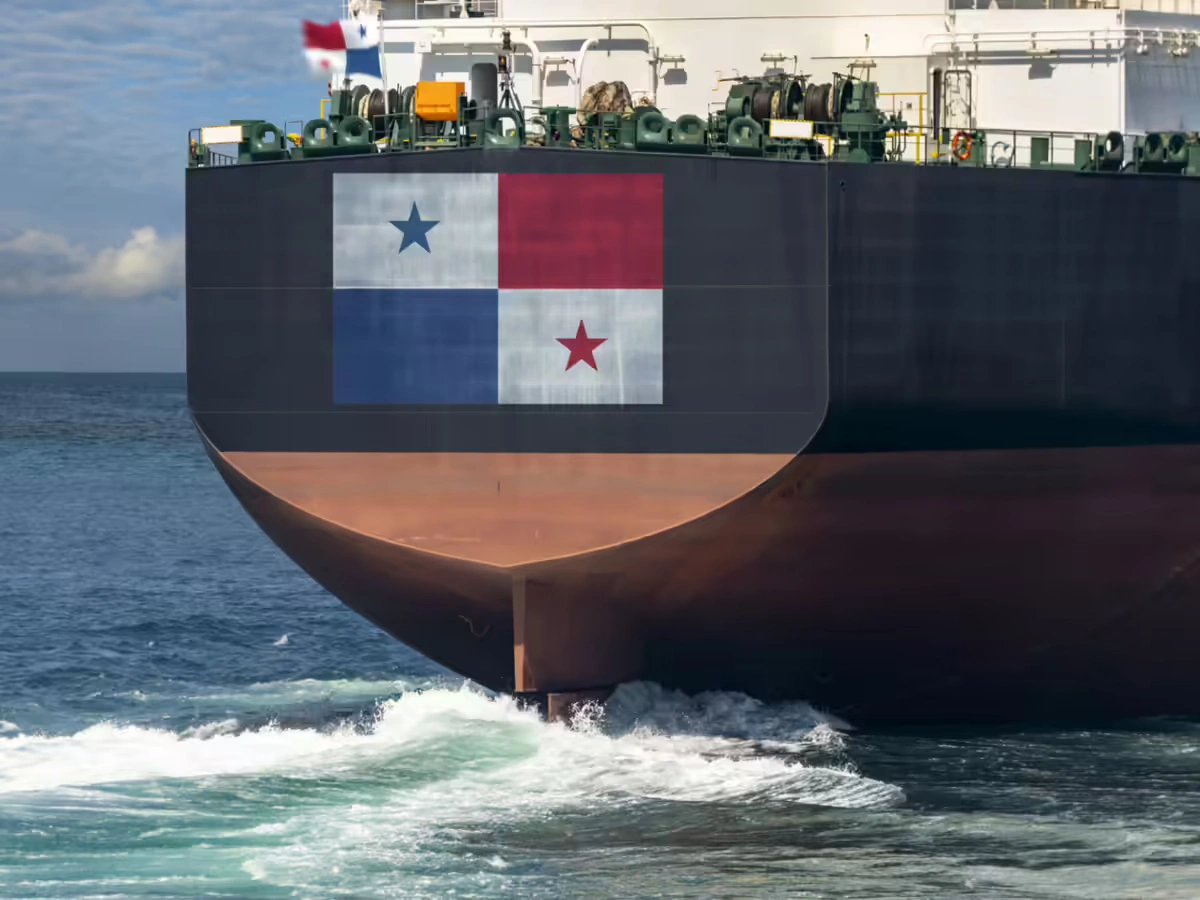
A small country with no navy in the Black Sea just found its Panama flag in the line of fire, twice in a week, and the message for global shipping is that even a flag of convenience is no longer a safe place to hide.
Key Facts
Two cargo ships flying the flag of Panama were attacked in the Black Sea in the space of a week. One crew member was killed in each strike, and the second left a vessel ablaze.
Panama responded with a step it rarely takes. Its maritime authority urged ships under its flag to avoid Ukrainian and Russian waters in the Black Sea and the Sea of Azov altogether.
For a reader far from the fighting, the Panama angle is the surprising part. A Central American country with no role in the war suddenly finds its flag, and its registry business, exposed to it.
Why the Panama flag turns up in a European war
The link is the flag itself. Panama runs the world’s largest ship registry, an open system that lets owners anywhere register their vessels under its flag for a fee.
The scale is striking. By Panama’s own account, roughly sixteen percent of the world’s merchant fleet sails under its flag, far more than any other country.
That is why a ship owned in one country and crewed by sailors from several others can legally be Panamanian at sea. The flag is a service Panama sells, and it is one of the country’s quiet economic mainstays.
The ships hit this month fit that pattern. One was a bulk carrier owned in Turkey, sailing under the Panama flag and, by the account of Ukrainian authorities, carrying wheat toward a Ukrainian port when it was struck.
What happened, and what Panama did
The details are grim but limited. In the first attack, a drone strike killed one seafarer and injured two others, one seriously, though the vessel was able to continue its voyage.
The second strike, days later, hit the bulk carrier carrying wheat. A fire broke out, one crew member died, and the rest of the sailors were evacuated by lifeboat.
Ukrainian officials blamed Russian drones for the attacks on the vessels. Panama, for its part, did not assign blame, saying only that it had activated its protocols to gather verified information.
The advice that followed is the part that matters commercially. As the flag state, Panama formally recommended that its vessels stay out of the contested waters, a warning that ripples across the many owners who fly its flag.
The economics behind the Panama flag
This is where a distant tragedy becomes a business story. A flag of convenience is, at heart, a product, and its value rests on the promise that flying it is cheap and trouble-free.
Attacks on that flag chip at the promise. When a registry has to tell its own ships to avoid a whole sea, owners weigh whether the flag still carries the protection they assumed it did.
The immediate cost lands in insurance. War-risk premiums for ships entering the Black Sea were already elevated, and fresh strikes on civilian vessels push them higher, adding to the cost of every voyage through the region.
There is a wider trade dimension too. The Black Sea is a vital corridor for grain, and threats to the ships that carry it feed into global food prices, a chain that reaches far beyond the war zone.
The Panama flag as a strategic asset under pressure
The Black Sea strikes are not the only pressure on Panama’s flag this year. Its registry has also been caught in a separate quarrel, with Chinese ports detaining Panama-flagged ships in record numbers amid a dispute over canal terminals, a pattern our reporting has shown is part of a wider coercive campaign.
Together the episodes make a point. The very openness that built the world’s biggest registry also exposes it, since a flag flown by thousands of foreign owners can be dragged into conflicts Panama has no part in.
For Panama, the registry is not a side business. It is a pillar of an economy built on shipping, alongside the canal, and its reputation for safety and neutrality is part of what it sells.
What it means for investors
For investors, the takeaway is about risk creeping into places once thought neutral. A flag of convenience was meant to simplify shipping, not to draw a vessel into a war.
The clearest effect is on the cost of moving goods. Higher war-risk premiums and rerouting around danger zones raise freight costs, which eventually show up in the price of the goods themselves.
There is a longer question for Panama. If flying its flag starts to feel like a liability in conflict zones, some owners may register elsewhere, a slow erosion of a business the country depends on.
The wider lesson is that global trade has fewer safe corners than it used to. As more shipping lanes carry the risk of attack, the cost of keeping goods moving rises for everyone, whatever flag they fly.
The Panama flag attacks, questions answered
What happened to the Panama flag ships?
Two cargo ships flying the Panama flag were attacked in the Black Sea within a week. A crew member was killed in each strike, and Panama urged its ships to avoid Ukrainian and Russian waters.
Why is Panama involved?
Panama runs the world’s largest ship registry, with about sixteen percent of the global merchant fleet under its flag. Owners worldwide register vessels there, so its flag turns up far from Panama itself.
Why does it matter economically?
The attacks push up war-risk insurance and freight costs in a key grain corridor, and they test the value of Panama’s flag, a pillar of its shipping-based economy, if owners start to see it as a liability.
More: Latin America news in English, every day from The Rio Times.
Frequently Asked Questions
Why are Panama-flagged ships involved in the Black Sea conflict when Panama has no role in the war?
Panama operates the world's largest open ship registry, allowing vessel owners from anywhere to register their ships under its flag for a fee. Roughly sixteen percent of the world's merchant fleet sails under the Panama flag, meaning many ships operating in the Black Sea region carry it by default.
What action did Panama take in response to the attacks on its flagged vessels?
Panama's maritime authority took the rare step of urging ships registered under its flag to avoid Ukrainian and Russian waters in the Black Sea and the Sea of Azov altogether. This followed two attacks within a single week, each of which killed one crew member.
What was the human and material toll of the two attacks on Panama-flagged ships?
One crew member was killed in each of the two strikes, with others injured across both incidents. The second attack left a vessel ablaze, and one of the ships was carrying wheat, highlighting the grain trade at stake in the region.
Connected Coverage
How a Panama Port Fight Became China’s Quiet War on Shipping
This article was produced by The Rio Times’ automated newsroom system. How we use AI · Report an error · Editorial responsibility: Matthias Camenzind, Editor-in-Chief