IBOV 169,700 ▲ 0.03% IPSA 10,855 ▼ 0.44% IPC MEX 68,848 ▲ 0.53% MERVAL 3,344,684 ▲ 2.76% COLCAP 2,384.40 ▲ 0.56% BVL PERÚ 58,096.41 ▲ 2.66% USD/BRL5.11▲ 0.40% USD/MXN17.37▲ 0.98% USD/CLP889.60▲ 0.36% USD/COP3,446▼ 1.26% USD/PEN3.38▼ 0.84% USD/ARS1,441▲ 0.30% USD/UYU40.17▲ 0.32% USD/PYG6,093▲ 1.36% USD/BOB6.85▲ 1.65% USD/DOP58.40▲ 0.53% USD/CRC450.02▲ 1.60% USD/GTQ7.62▲ 2.23% USD/HNL26.66▲ 1.32% USD/NIO36.62▲ 0.68% USD/VES595.29▲ 1.47% USD/PAB1.00— 0.00% USD/BZD2.00— 0.00% USD/JMD157.05▲ 0.05% USD/TTD6.75▲ 1.39% EUR/BRL5.87▼ 0.22% BRENT 79.10 ▲ 0.18% WTI 75.57 ▼ 0.63% IRON ORE 161.91 — — COPPER 6.41 ▼ 1.16% GOLD 4,283 ▼ 1.11% SILVER 68.62 ▼ 1.84% SOY 1,151 ▲ 1.81% CORN 421.25 ▲ 1.81% WHEAT 621.50 ▲ 4.28% COFFEE 272.35 ▼ 1.77% SUGAR 14.37 ▲ 3.98% ORANGE JUICE 149.50 ▲ 1.25% COTTON 79.73 ▲ 6.29% COCOA 4,204 ▲ 1.50% BEEF 249.05 ▼ 2.45% CATTLE 367.43 ▲ 0.15% LITHIUM 83.27 ▼ 0.39% PETR4 38.62 ▲ 0.21% VALE3 80.28 ▼ 1.42% ITUB4 41.06 ▲ 1.51% BBDC4 17.72 ▲ 0.34% ABEV3 16.25 ▼ 1.16% BBAS3 19.55 ▲ 0.77% B3SA3 14.77 ▼ 1.80% WEGE3 43.93 ▲ 2.57% PRIO3 56.94 ▲ 0.16% SUZB3 42.36 ▼ 1.33% RENT3 41.16 ▲ 0.49% AZZA3 16.94 ▼ 2.92% CSAN3 3.51 ▲ 7.34% RAIZ4 0.42 ▼ 2.33% PCAR3 1.72 ▼ 10.88% GMAT3 3.90 ▼ 0.26% PSSA3 51.59 ▲ 2.04% CVCB3 1.34 ▼ 0.74% POSI3 3.77 ▼ 0.53% SLCE3 13.90 ▼ 1.00% NATU3 8.02 ▼ 6.53% BRKM5 8.67 ▲ 2.48% RANI3 7.92 ▲ 1.54% CSNA3 5.80 ▼ 3.65% CMIN3 4.32 ▼ 0.69% USIM5 9.58 ▼ 5.43% GGBR4 23.12 ▼ 0.73% ENEV3 24.45 ▲ 0.04% NEOE3 33.80 — 0.00% CPFE3 43.73 ▼ 0.09% CMIG4 10.71 ▼ 0.09% EQTL3 37.62 ▲ 0.05% LREN3 14.76 ▼ 0.87% VIVT3 33.17 ▼ 1.22% RAIL3 12.65 ▼ 2.92% KLABIN 16.98 ▼ 0.47% RAIA DROGASIL 17.81 ▲ 0.79% RDOR3 33.82 ▼ 0.76% HAPV3 10.86 ▼ 3.12% FLRY3 14.85 ▲ 0.34% SMTO3 15.75 ▼ 1.38% UGPA3 24.28 ▲ 1.68% VBBR3 28.50 ▲ 2.08% BBSE3 39.39 ▲ 3.14% BPAC11 50.96 ▲ 0.51% CURY3 32.57 ▼ 0.40% AERI3 2.28 ▼ 1.30% VIVARA 21.03 ▲ 0.14% COMPASS 25.37 ▲ 1.52% VAMOS 2.80 ▼ 2.10% SANB11 27.43 ▲ 1.26% ASAI3 7.88 ▼ 0.13% SBSP3 27.53 ▼ 0.97% WALMEX 51.96 ▼ 0.46% GMEXICO 216.85 ▲ 1.27% FEMSA 219.13 ▲ 0.11% CEMEX 22.15 ▼ 0.89% GFNORTE 191.55 ▲ 1.15% BIMBO 58.04 ▲ 0.07% TELEVISA 10.70 ▲ 4.49% AMX 23.03 ▼ 0.43% GAP 436.98 ▲ 1.26% ASUR 303.73 ▼ 0.48% OMA 245.12 ▲ 1.78% KOF 186.43 ▲ 1.71% GRUMA 293.87 ▲ 1.03% KIMBER 37.96 ▲ 0.45% SQM-B 74,162 ▲ 0.36% COPEC 5,989 ▼ 0.64% BSANTANDER 73.51 ▼ 0.66% FALABELLA 6,020 ▼ 1.22% ENELAM 77.00 ▼ 1.28% CENCOSUD 2,133 ▼ 2.40% CMPC 1,057 ▲ 0.70% BANCO CHILE 180.62 ▲ 0.57% LATAM AIR 24.65 ▲ 0.65% YPF 77,150 ▲ 0.52% GGAL 8,575 ▲ 5.09% PAMPA 5,235 ▲ 2.45% TXAR 684.00 — 0.00% ALUAR 1,003 ▲ 1.83% TGS 9,610 ▲ 2.18% CEPU 2,410 ▲ 1.60% MIRGOR 16,875 ▼ 0.44% COME 45.12 ▲ 2.83% LOMA NEGRA 3,653 ▲ 1.25% BYMA 317.00 ▲ 4.19% TELECOM ARG 4,435 ▲ 0.85% ECOPETROL 15.68 ▼ 0.70% BANCOLOMBIA 80.91 ▲ 2.09% GRUPO AVAL 5.63 ▲ 2.93% CREDICORP 393.00 ▲ 7.88% SOUTHERN COPPER 199.57 ▲ 2.59% BUENAVENTURA 35.74 ▼ 0.61% MERCADOLIBRE 1,643 ▼ 1.87% NUBANK 13.13 ▲ 3.18% XP 15.74 ▲ 0.38% PAGSEGURO 8.98 ▼ 0.06% STONE 11.00 ▲ 0.05% GLOBANT 35.03 ▼ 4.38% TECNOGLASS 44.85 — 0.00% GAP AIRPORT 253.02 ▲ 0.97% ASUR 303.73 ▼ 0.48% OMA AIRPORT 113.39 ▲ 1.49% AMX ADR 26.62 ▼ 0.60% FEMSA ADR 127.20 ▲ 0.25% CEMEX ADR 12.80 ▼ 1.39% PETROBRAS ADR 16.93 ▼ 0.73% VALE ADR 15.72 ▼ 1.63% ITAU ADR 8.04 ▲ 1.07% SANTANDER BR 5.46 ▲ 0.92% AMBEV ADR 3.17 ▼ 0.94% CSN 1.16 ▼ 4.55% GERDAU 4.56 ▼ 1.41% LATAM ADR 55.29 ▲ 0.51% BTC 64,602 ▼ 1.52% ETH 1,748 ▼ 2.37% SOL 72.15 ▼ 1.72% XRP 1.19 ▼ 2.47% BNB 601.32 ▼ 0.50% ADA 0.17 ▼ 3.28% DOGE 0.09 ▼ 1.62% AVAX 6.78 ▼ 1.30% LINK 8.10 ▼ 1.98% DOT 1.00 ▼ 0.67% LTC 44.96 ▼ 1.48% BCH 212.15 ▼ 1.56% TRX 0.32 ▲ 1.03% XLM 0.22 ▲ 3.26% HBAR 0.08 ▼ 0.26% NEAR 2.27 ▼ 1.54% ATOM 1.96 ▼ 1.65% AAVE 74.66 ▼ 1.59% SELIC 14.50% EMBRAER 78.99 ▲ 3.57% EMBRAER ADR 61.96 ▲ 3.40% JBS 12.38 ▲ 0.61% JBS BDR 63.00 ▲ 0.37% MBRF3 15.64 ▼ 2.01% MBRFY 3.03 ▼ 1.94% INTER 5.69 ▼ 1.39% EGX 52,622 ▲ 1.10% USD/ZAR16.41▲ 1.33% USD/NGN1,357▼ 0.15% NIKKEI 69,902 ▲ 0.72% CSI300 4,931 ▲ 0.97% HSI 24,312 ▼ 0.74% NIFTY 24,086 ▲ 0.40% KOSPI 8,864 ▲ 1.58% JCI 6,221 ▼ 0.55% USD/JPY160.67▲ 0.13% USD/CNY6.76▲ 0.01% DAX 24,935 ▲ 0.10% CAC 8,431 ▼ 0.20% FTSE 10,509 ▲ 0.14% MIB 52,595 ▲ 0.31% IBEX 19,422 ▲ 1.35% STOXX 639.31 ▲ 0.52% EUR/USD1.15▼ 0.90% GBP/USD1.33▼ 0.97% SPX 7,429 ▼ 1.09% DJI 51,564 ▼ 0.84% NDX 29,808 ▼ 0.54% RUT 2,947 ▲ 0.25% TSX 35,175 ▼ 0.61% VIX 17.28 ▲ 5.30% USD/CAD1.41▲ 0.74% US10Y 4.4630 ▲ 0.79% IBOV 169,700 ▲ 0.03% IPSA 10,855 ▼ 0.44% IPC MEX 68,848 ▲ 0.53% MERVAL 3,344,684 ▲ 2.76% COLCAP 2,384.40 ▲ 0.56% BVL PERÚ 58,096.41 ▲ 2.66% USD/BRL 5.11 ▲ 0.40% USD/MXN 17.37 ▲ 0.98% USD/CLP 889.43 ▲ 0.34% USD/COP 3,446 ▼ 1.26% USD/PEN 3.38 ▼ 0.84% USD/ARS 1,441 ▲ 0.30% USD/UYU 40.17 ▲ 0.32% USD/PYG 6,093 ▲ 1.36% USD/BOB 6.85 ▲ 1.65% USD/DOP 58.40 ▲ 0.53% USD/CRC 450.02 ▲ 1.60% USD/GTQ 7.62 ▲ 2.23% USD/HNL 26.66 ▲ 1.32% USD/NIO 36.62 ▲ 0.68% USD/VES 595.29 ▲ 1.47% USD/PAB 1.00 — 0.00% USD/BZD 2.00 — 0.00% USD/JMD 157.05 ▲ 0.05% USD/TTD 6.75 ▲ 1.39% EUR/BRL 5.87 ▼ 0.22% BRENT 79.10 ▲ 0.18% WTI 75.57 ▼ 0.63% IRON ORE 161.91 — — COPPER 6.41 ▼ 1.16% GOLD 4,283 ▼ 1.11% SILVER 68.62 ▼ 1.84% SOY 1,151 ▲ 1.81% CORN 421.25 ▲ 1.81% WHEAT 621.50 ▲ 4.28% COFFEE 272.35 ▼ 1.77% SUGAR 14.37 ▲ 3.98% ORANGE JUICE 149.50 ▲ 1.25% COTTON 79.73 ▲ 6.29% COCOA 4,204 ▲ 1.50% BEEF 249.05 ▼ 2.45% CATTLE 367.43 ▲ 0.15% LITHIUM 83.27 ▼ 0.39% PETR4 38.62 ▲ 0.21% VALE3 80.28 ▼ 1.42% ITUB4 41.06 ▲ 1.51% BBDC4 17.72 ▲ 0.34% ABEV3 16.25 ▼ 1.16% BBAS3 19.55 ▲ 0.77% B3SA3 14.77 ▼ 1.80% WEGE3 43.93 ▲ 2.57% PRIO3 56.94 ▲ 0.16% SUZB3 42.36 ▼ 1.33% RENT3 41.16 ▲ 0.49% AZZA3 16.94 ▼ 2.92% CSAN3 3.51 ▲ 7.34% RAIZ4 0.42 ▼ 2.33% PCAR3 1.72 ▼ 10.88% GMAT3 3.90 ▼ 0.26% PSSA3 51.59 ▲ 2.04% CVCB3 1.34 ▼ 0.74% POSI3 3.77 ▼ 0.53% SLCE3 13.90 ▼ 1.00% NATU3 8.02 ▼ 6.53% BRKM5 8.67 ▲ 2.48% RANI3 7.92 ▲ 1.54% CSNA3 5.80 ▼ 3.65% CMIN3 4.32 ▼ 0.69% USIM5 9.58 ▼ 5.43% GGBR4 23.12 ▼ 0.73% ENEV3 24.45 ▲ 0.04% NEOE3 33.80 — 0.00% CPFE3 43.73 ▼ 0.09% CMIG4 10.71 ▼ 0.09% EQTL3 37.62 ▲ 0.05% LREN3 14.76 ▼ 0.87% VIVT3 33.17 ▼ 1.22% RAIL3 12.65 ▼ 2.92% KLABIN 16.98 ▼ 0.47% RAIA DROGASIL 17.81 ▲ 0.79% RDOR3 33.82 ▼ 0.76% HAPV3 10.86 ▼ 3.12% FLRY3 14.85 ▲ 0.34% SMTO3 15.75 ▼ 1.38% UGPA3 24.28 ▲ 1.68% VBBR3 28.50 ▲ 2.08% BBSE3 39.39 ▲ 3.14% BPAC11 50.96 ▲ 0.51% CURY3 32.57 ▼ 0.40% AERI3 2.28 ▼ 1.30% VIVARA 21.03 ▲ 0.14% COMPASS 25.37 ▲ 1.52% VAMOS 2.80 ▼ 2.10% SANB11 27.43 ▲ 1.26% ASAI3 7.88 ▼ 0.13% SBSP3 27.53 ▼ 0.97% WALMEX 51.96 ▼ 0.46% GMEXICO 216.85 ▲ 1.27% FEMSA 219.13 ▲ 0.11% CEMEX 22.15 ▼ 0.89% GFNORTE 191.55 ▲ 1.15% BIMBO 58.04 ▲ 0.07% TELEVISA 10.70 ▲ 4.49% AMX 23.03 ▼ 0.43% GAP 436.98 ▲ 1.26% ASUR 303.73 ▼ 0.48% OMA 245.12 ▲ 1.78% KOF 186.43 ▲ 1.71% GRUMA 293.87 ▲ 1.03% KIMBER 37.96 ▲ 0.45% SQM-B 74,162 ▲ 0.36% COPEC 5,989 ▼ 0.64% BSANTANDER 73.51 ▼ 0.66% FALABELLA 6,020 ▼ 1.22% ENELAM 77.00 ▼ 1.28% CENCOSUD 2,133 ▼ 2.40% CMPC 1,057 ▲ 0.70% BANCO CHILE 180.62 ▲ 0.57% LATAM AIR 24.65 ▲ 0.65% YPF 77,150 ▲ 0.52% GGAL 8,575 ▲ 5.09% PAMPA 5,235 ▲ 2.45% TXAR 684.00 — 0.00% ALUAR 1,003 ▲ 1.83% TGS 9,610 ▲ 2.18% CEPU 2,410 ▲ 1.60% MIRGOR 16,875 ▼ 0.44% COME 45.12 ▲ 2.83% LOMA NEGRA 3,653 ▲ 1.25% BYMA 317.00 ▲ 4.19% TELECOM ARG 4,435 ▲ 0.85% ECOPETROL 15.68 ▼ 0.70% BANCOLOMBIA 80.91 ▲ 2.09% GRUPO AVAL 5.63 ▲ 2.93% CREDICORP 393.00 ▲ 7.88% SOUTHERN COPPER 199.57 ▲ 2.59% BUENAVENTURA 35.74 ▼ 0.61% MERCADOLIBRE 1,643 ▼ 1.87% NUBANK 13.13 ▲ 3.18% XP 15.74 ▲ 0.38% PAGSEGURO 8.98 ▼ 0.06% STONE 11.00 ▲ 0.05% GLOBANT 35.03 ▼ 4.38% TECNOGLASS 44.85 — 0.00% GAP AIRPORT 253.02 ▲ 0.97% ASUR 303.73 ▼ 0.48% OMA AIRPORT 113.39 ▲ 1.49% AMX ADR 26.62 ▼ 0.60% FEMSA ADR 127.20 ▲ 0.25% CEMEX ADR 12.80 ▼ 1.39% PETROBRAS ADR 16.93 ▼ 0.73% VALE ADR 15.72 ▼ 1.63% ITAU ADR 8.04 ▲ 1.07% SANTANDER BR 5.46 ▲ 0.92% AMBEV ADR 3.17 ▼ 0.94% CSN 1.16 ▼ 4.55% GERDAU 4.56 ▼ 1.41% LATAM ADR 55.29 ▲ 0.51% BTC 64,602 ▼ 1.52% ETH 1,748 ▼ 2.37% SOL 72.15 ▼ 1.72% XRP 1.19 ▼ 2.47% BNB 601.32 ▼ 0.50% ADA 0.17 ▼ 3.28% DOGE 0.09 ▼ 1.62% AVAX 6.78 ▼ 1.30% LINK 8.10 ▼ 1.98% DOT 1.00 ▼ 0.67% LTC 44.96 ▼ 1.48% BCH 212.15 ▼ 1.56% TRX 0.32 ▲ 1.03% XLM 0.22 ▲ 3.26% HBAR 0.08 ▼ 0.26% NEAR 2.27 ▼ 1.54% ATOM 1.96 ▼ 1.65% AAVE 74.66 ▼ 1.59% SELIC 14.50% EMBRAER 78.99 ▲ 3.57% EMBRAER ADR 61.96 ▲ 3.40% JBS 12.38 ▲ 0.61% JBS BDR 63.00 ▲ 0.37% MBRF3 15.64 ▼ 2.01% MBRFY 3.03 ▼ 1.94% INTER 5.69 ▼ 1.39% EGX 52,622 ▲ 1.10% USD/ZAR 16.42 ▲ 1.61% USD/NGN 1,357 ▲ 0.10% NIKKEI 69,902 ▲ 0.72% CSI300 4,931 ▲ 0.97% HSI 24,312 ▼ 0.74% NIFTY 24,086 ▲ 0.40% KOSPI 8,864 ▲ 1.58% JCI 6,221 ▼ 0.55% USD/JPY 160.69 ▲ 0.18% USD/CNY 6.7572 ▲ 0.02% DAX 24,935 ▲ 0.10% CAC 8,431 ▼ 0.20% FTSE 10,509 ▲ 0.14% MIB 52,595 ▲ 0.31% IBEX 19,422 ▲ 1.35% STOXX 639.31 ▲ 0.52% EUR/USD 1.1500 ▼ 0.97% GBP/USD 1.3281 ▼ 1.08% SPX 7,429 ▼ 1.09% DJI 51,564 ▼ 0.84% NDX 29,808 ▼ 0.54% RUT 2,947 ▲ 0.25% TSX 35,175 ▼ 0.61% VIX 17.28 ▲ 5.30% USD/CAD 1.4104 ▲ 0.82% US10Y 4.4630 ▲ 0.79%
since 2009
Wednesday, June 17, 2026

Central America Analysis

How a Panama Port Fight Became China’s Quiet War on Shipping

By · June 17, 2026 · 6 min read

Daily Brief

The morning intel from across Latin America. Free.

By subscribing you agree to our privacy policy. We never share your email.

Markets · Trade

The trigger. Panama stripped a Hong Kong company of two ports at the ends of the Panama Canal.

The response. China began detaining ships flying Panama’s flag at its ports in record numbers.

The scale. In April alone, China held one hundred and thirty-six Panama-flagged vessels, many times the usual rate.

The waterway. The canal carries roughly six per cent of world trade between two oceans.

The method. Analysts call it asymmetric coercion: quiet, deniable pressure rather than open sanctions.

The stake. Latin America is caught between the world’s two largest economies.

The fight over China Panama ports has quietly become one of the sharpest tests yet of how Beijing punishes countries that cross its companies.

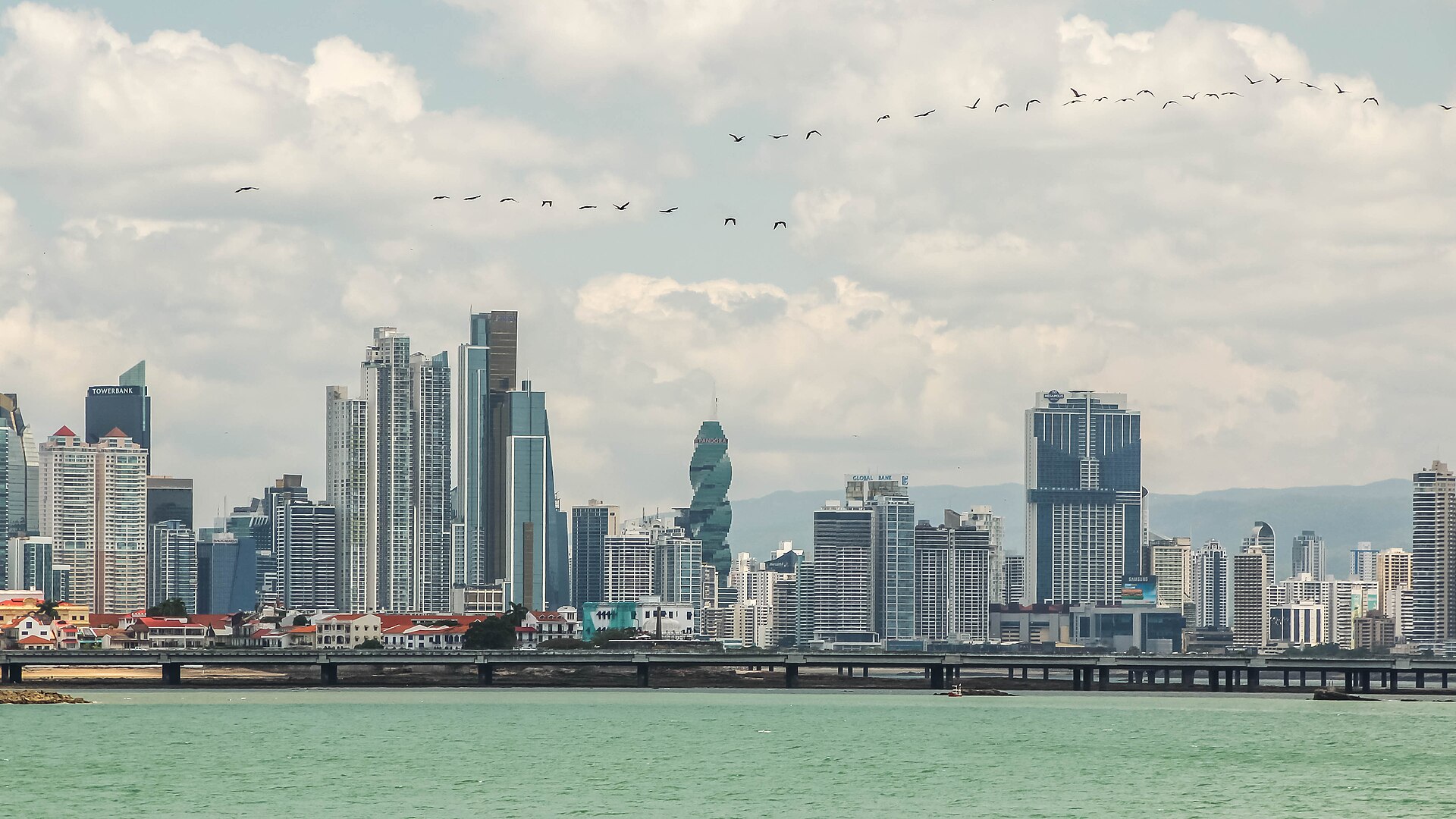
China Panama ports dispute: container terminal at the Panama Canal
How a Panama Port Fight Became China’s Quiet War on Shipping. (Photo internet reproduction)
RTAsk Rio TimesHave a question about Brazil or Latin America? Get a straight answer from our reporting.Start asking →

A dispute that spans an ocean

A quiet trade war is unfolding between China and Panama, two countries that sit on opposite sides of the planet but are bound together by one of the world’s most important shipping lanes.

At its centre is the Panama Canal, the artificial waterway that lets ships pass between the Atlantic and Pacific oceans without sailing around South America. It carries about six per cent of all global trade.

For readers new to the story, the trigger was a decision in Panama and the response came from China. Untangling how a local court ruling set off pressure half a world away explains a lot about modern economic statecraft.
How the China Panama ports fight began

The roots lie in a concession granted in 1997, when a Hong Kong conglomerate’s local subsidiary won the right to run two container terminals at either end of the canal, at the ports of Balboa and Cristóbal.

Those terminals sit at the canal’s gateways, which made them strategically valuable and politically sensitive. The concession was quietly extended in 2021 for another twenty-five years without a competitive tender.

In late January this year, Panama’s Supreme Court declared that concession unconstitutional, following an audit that alleged the state had lost out on more than a billion dollars in income. The ruling could not be appealed.

In February the government took physical control of the two terminals and handed interim operation to units of the Danish shipping group Maersk and the Swiss-Italian carrier known as MSC. The Hong Kong firm called the takeover unlawful and is seeking more than two billion dollars in arbitration.

The American shadow over the canal

The dispute did not unfold in a vacuum. The administration of United States President Donald Trump had made the canal an early priority, arguing that Chinese commercial influence near it threatened American security.

Mr Trump went so far as to suggest the United States might reclaim the canal, which Panama has run since 1999. Panama’s president has repeatedly denied that China exercises any control over the waterway itself.

There was a corporate twist too. The Hong Kong group had agreed to sell dozens of ports around the world, including the two in Panama, to a consortium led by the United States investment giant BlackRock and the MSC shipping group.

Beijing moved to block that sale, signalling that its own state shipping champion should hold a controlling stake. To China, watching strategic ports pass to an American-led group was a defeat on two fronts at once.

The retaliation: a war on shipping

China’s answer was indirect but unmistakable. From early March, its ports began detaining ships that fly Panama’s flag at a pace far beyond anything seen before, holding each one for several days.

The numbers climbed sharply. Around twenty such ships were held in February, then close to a hundred in March, and one hundred and thirty-six in April, more than six times the average rate of the previous year.

Officially the detentions were framed as routine safety inspections for technical faults. In practice they delayed voyages, disrupted schedules and raised costs, sending a pointed message without the formality of declared sanctions.

The pressure went wider still. A major Chinese state shipping line suspended its container service at one of the canal ports, Beijing summoned executives of the world’s two largest carriers for talks, and new Chinese investment in Panama was frozen.

A textbook in asymmetric coercion

Analysts see the campaign as a case study in how China applies economic pressure. Rather than announce formal sanctions, it prefers quiet, deniable measures that impose real costs while remaining hard to challenge.

One regional economist at the investment bank Natixis described the goal as deterrence: to make other governments think twice before acting against Chinese or Hong Kong companies, and to show that Beijing will respond.

A United States military-college researcher who studies the region called the harassment of Panama-flagged ships part of a broader message about the price of not cooperating with Beijing, and noted it looked more explicit than usual.

There may be a second target. Some analysts believe Beijing is also disciplining the Hong Kong conglomerate itself, signalling that a China-linked company cannot sell strategic assets to an American group without consequences.

A pattern across Latin America

The tactics will look familiar to those who have watched China’s dealings with the region. Time and again, Beijing has reached for quiet commercial pressure when a government displeased it, rather than open confrontation.

When Argentina’s congress moved against Chinese firms in 2010, China suspended purchases of Argentine soybean oil. When Guyana flirted with closer ties to Taiwan in 2020, it faced sharp warnings from Beijing.

Guatemala saw purchases of its nuts and other goods stall after its leadership signalled it would keep cooperating with Taiwan. Chilean cherries and grapes have run into sudden plant-health objections that conveniently slowed their entry.

Each case carried the same underlying reminder: that access to the vast Chinese market is a privilege Beijing can withdraw. The Panama detentions are a larger, more visible version of the same playbook.

Why it matters for investors

The episode carries lessons well beyond Panama. It shows how a single court ruling over two terminals can ripple into global shipping costs, drawing in the United States, China and the world’s biggest carriers.

Panama runs the world’s largest ship registry, an open system that lets foreign owners fly its flag for convenience. That very openness is now a vulnerability, as Chinese lenders reportedly press owners to register elsewhere.

For companies, the message is that strategic infrastructure has become a battleground, and that doing business in contested places now means pricing in the risk of getting caught in a great-power quarrel.

For Latin America, the deeper lesson is exposure. Caught between its largest trading partner and its traditional hemispheric power, the region increasingly finds its commerce shaped by a rivalry it did not choose.

Frequently Asked Questions

What is the China Panama ports dispute?

It is a conflict that began when Panama’s Supreme Court voided a Hong Kong company’s concession to run two ports at the ends of the Panama Canal. In response, China began detaining Panama-flagged ships at its own ports in record numbers, framing the moves as safety inspections.

Why is China detaining Panama-flagged ships?

Analysts widely read it as retaliation for the loss of the port concession and for a planned sale of those ports to a United States-led group. The detentions impose real costs and delays while avoiding the formality of declared sanctions, a tactic known as asymmetric coercion.

Does China control the Panama Canal?

No, it does not: Panama has administered the canal since 1999, and there is no public evidence that China controls its operation. The dispute concerns commercial port terminals beside the canal, not the waterway itself, though Chinese firms have invested heavily in regional infrastructure.

Connected Coverage

US and 5 Allies Warn China Over Panama Ship Detentions

Panama Canal 2026: Drought, Water Levels, Fees and Trade

Read More from The Rio Times

The Rio Times · Power Map
See who really holds power in Latin America
Click to open the Power Map

Rotate for Best Experience

This report is optimized for landscape viewing. Rotate your phone for the full experience.