Panama Transfer Tax Could Fall on New Homes, Cutting Costs for Foreign Buyers
Panama · Expats
Key Facts
- —What’s proposed the Cabinet authorised the finance minister to send the National Assembly a bill easing the transfer tax on new homes.
- —The exemption the first US$120,000 of a new home’s value would pay no transfer tax on its first sale.
- —First sale of new housing this means buying a brand-new home from the developer, not a resale.
- —Current rate Panama charges about 2% transfer tax on a property’s sale price today.
- —Not law yet the National Assembly still has to debate and approve the bill before anything changes.
Buying a new-build in Panama usually means paying a small tax at closing. A proposed change would wipe that tax off the first slice of most mid-market homes.
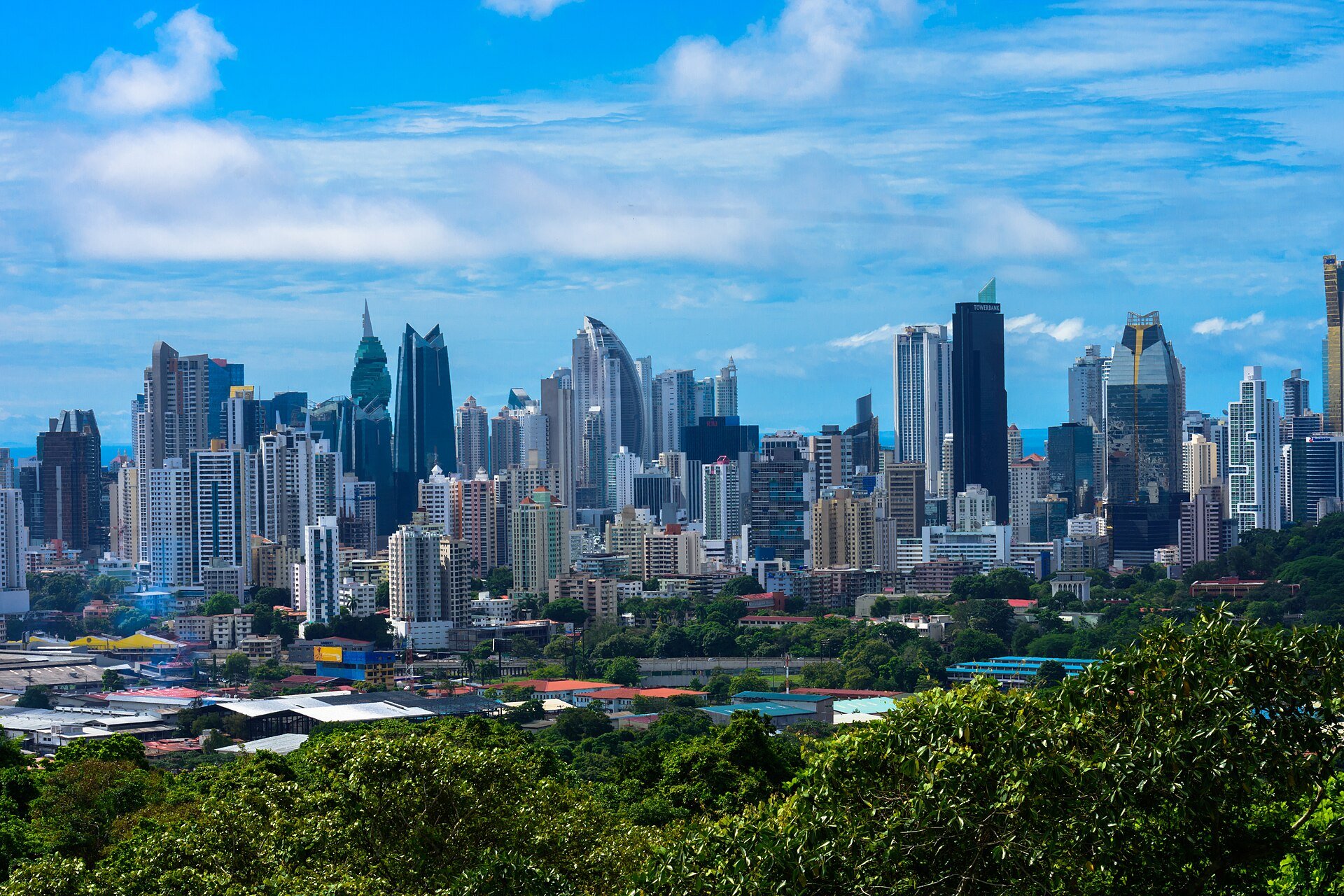
If you are buying a brand-new home in Panama, the Panama transfer tax on that purchase could soon shrink. The Cabinet has authorised a bill that would exempt the first US$120,000 of a new home’s value from the tax.
What the Panama Transfer Tax Change Means for You
Panama’s Cabinet has authorised Finance Minister Felipe Chapman to send lawmakers a bill reforming the tax on newly built homes. The plan targets brand-new housing sold for the first time.
For a foreign buyer, the practical effect is simple. On most mid-market new-builds, part of your closing bill would disappear.
The saving is not enormous, but it is real money in your pocket at the moment you sign. It lands on the exact purchase most newcomers make: a first home bought straight from a developer.
What ITBI Actually Is
The tax in question is called the ITBI, short for Impuesto de Transferencia de Bienes Inmuebles. In plain English, it is a real-estate transfer tax.
It is charged when a property is sold, based on the sale price or registered value. Today the rate is about 2% of that value.
Think of it as a one-off cost at closing, separate from any yearly property tax. It is one of several fees a buyer weighs before signing.
What First Sale of New Housing Means
The break only applies to the very first sale of a newly built home. That is the moment the developer sells the property to its first owner.
If you buy directly from the company that built the apartment or house, you are that first buyer. This is the transaction the proposal is written for.
Buy a home that someone has already owned and lived in, and it is a resale. Resales are a different transaction and are not covered by the exemption.
Roughly What You Could Save
Here is a plain illustration, not an official figure. At about 2%, the transfer tax on US$120,000 of value works out to roughly US$2,400.
That is the slice the proposal would lift off a first sale. Your actual saving depends on the final price and the wording the Assembly approves.
On a home priced near or below that threshold, the tax on the covered part could fall to zero. On a pricier home, the exemption still trims the bill.
Why This Is Not Law Yet
This is a proposal, and it is important to be clear about that. The Cabinet has only authorised the minister to present the bill to lawmakers.
The National Assembly must still debate the text and vote on it. It can be changed, delayed or rejected along the way.
Until it passes and takes effect, the current rules still apply to your purchase. Treat any saving as possible, not guaranteed.
Who Stands to Benefit Most
The clearest winners are buyers of new, mid-priced apartments and houses. That describes a large share of foreigners settling in and around Panama City.
Because the exemption covers the first US$120,000 of value, it helps modest and mid-market homes proportionally more. Very expensive properties gain a smaller share of relief.
If a new-build was already on your shortlist, the change tilts the maths gently in your favour. It does not, on its own, make buying the right call.
What Stays the Same for Resales
If you plan to buy an existing home, this proposal does not help you. The transfer tax on resales would continue as it is today.
That is worth remembering when you compare a new development against an older apartment. The closing costs on the two can differ under this plan.
For some buyers, a resale in a settled neighbourhood still makes more sense. The tax break is one factor among many, not a reason on its own.
What to Ask Your Developer or Lawyer
Before you count on any saving, ask whether your purchase would count as a first sale. A local real-estate lawyer can confirm how the property is registered.
Ask your developer how they currently handle the transfer tax in the price. Some quote it separately, and some fold it into the headline figure.
Because the bill may still change, confirm the rules that apply on your actual closing date. What is proposed today may read differently once it is law.
Other Costs to Keep in Mind
The transfer tax is only one line on a Panama closing statement. You will also budget for legal fees, property registration and any bank charges.
A foreign buyer can usually purchase property in their own name in Panama. Financing, though, often comes with a larger deposit than local buyers put down.
So treat any transfer-tax saving as a helpful trim, not the whole picture. The full cost of buying still deserves a careful, line-by-line look.
The Bigger Picture for Panama Buyers
Panama has long courted foreign residents with a stable, dollar-based economy and familiar paperwork. Easing the tax on new homes fits that pattern.
For the government, cheaper first sales can nudge along construction and home-buying. For you, it is simply one more reason the numbers on a new-build may improve.
None of this replaces careful budgeting for the full cost of buying and settling in. But if it becomes law, it is a welcome and rare cut at the closing table.
More: Panama news in English, every day from The Rio Times.
Frequently Asked Questions
What is ITBI?
ITBI is Panama’s real-estate transfer tax, charged when a property is sold. It is currently about 2% of the sale price or registered value.
Does this apply to resales?
No. The exemption is written for the first sale of new housing bought from a developer. Buying a previously owned home is a resale and is not covered.
How much could I save?
As a rough illustration, about 2% of US$120,000 is roughly US$2,400. Your real saving depends on the price and the final wording the Assembly approves.
Is it law yet?
Not yet. The Cabinet has authorised the bill to go to the National Assembly, which must still debate and approve it before anything changes.
Sources: La Prensa (Panama) reporting that the Consejo de Gabinete authorised Finance Minister Felipe Chapman to present an ITBI reform (amending Law 106 of 1974) to the National Assembly, and Panama’s Ministry of Economy and Finance (MEF). ITBI standard rate about 2%; the illustrative US$2,400 saving is the Rio Times’ own calculation, not an official figure.
This article was produced by The Rio Times’ automated newsroom system. How we use AI · Report an error
Read More from The Rio Times