The World Bank has released a report detailing the financial burden Pacific atoll nations will bear due to rising sea levels. Kiribati, Tuvalu, and the Marshall Islands must invest nearly $10 billion to adapt to a half-meter sea level rise.
This sum equals about 20 years of their combined GDP. These three nations are among the world’s smallest and most remote countries. They span 6.4 million square kilometers of the Pacific Ocean.
Most residents live at elevations no higher than 2-3 meters above sea level. This makes them extremely vulnerable to the effects of climate change.
The report highlights the severe risks these nations face. One-third of Kiribati and Tuvalu’s populations may fall into extreme poverty due to climate disruptions.
Coastal flooding poses a significant threat to their communities. Healthcare systems are also under strain from rising heat-related illnesses.
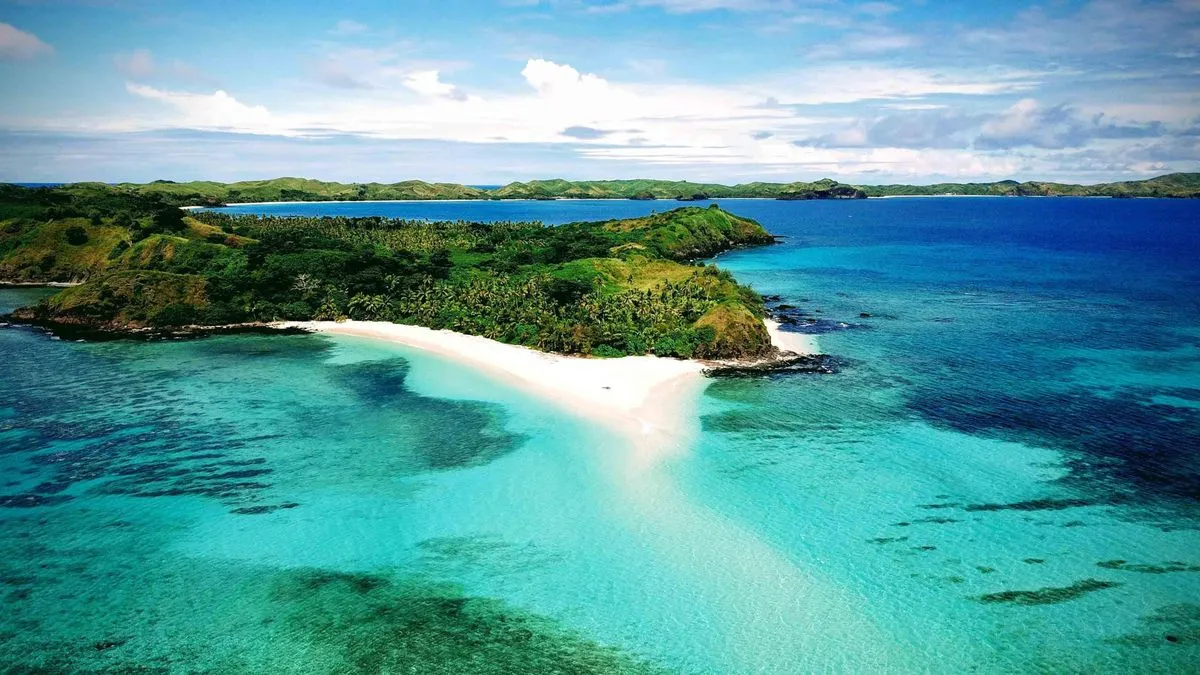
A 0.5-meter sea level rise could submerge large parts of these countries. This scenario may occur as early as 2050 in the worst case, or more likely by 2070.
The Urgency for Climate Adaptation at COP29
The urgency for these nations to implement adaptation plans is clear. Funding for climate action is a key topic at the ongoing COP29 talks in Azerbaijan.
The success of the summit may hinge on agreements about climate finance. Wealthy nations, development banks, and the private sector must decide on annual contributions to developing countries.
The World Bank report reveals a substantial climate financing gap for Pacific atolls. Physical adaptation costs for a 0.5-meter sea level rise are estimated at $3.7 billion for Kiribati, $1 billion for Tuvalu, and $5 billion for the Marshall Islands.
These figures represent about 20 years of current GDP dedicated solely to physical adaptation measures. The estimate excludes costs for adapting health, education, energy, and water systems.
Importing sand and rocks for coastal protection will also be expensive and challenging. The report underscores the immense challenges these island nations face.
They must balance immediate needs with long-term survival strategies. The international community’s support will be crucial in helping these vulnerable countries adapt to the changing climate.
This article was produced by The Rio Times’ automated newsroom system. How we use AI · Report an error
Read More from The Rio Times