Federal Police Hit an Organized-Crime Grip on Elections in Ceará
Brazil · Security
Key Facts
- Operation scope 14 preventive arrest warrants, 25 search-and-seizure warrants, and 5 precautionary removals from public office.
- Target location Sobral, Ceará, in Brazil’s Northeast, a region increasingly scrutinized for criminal infiltration of local politics.
- Accused conduct Interference in the 2024 municipal election and the ongoing 2026 electoral process, including alleged vote manipulation.
- Lead agencies Brazil’s Federal Police (PF), Ceará state prosecutors (MPCE), and the FICCO task force.
- Operation name “Omertá” references the mafia code of silence, signaling the intimidation tactics alleged against witnesses and rivals.
- Timing Launched August 11, 2026, during the national election cycle, sharpening concerns about ballot integrity.
- Unconfirmed details Three Sobral city councillors were reportedly arrested and suspended; claims of federal deputies, or cash in a car, are unverified.
A coordinated raid in Sobral exposes how organized crime may be quietly buying, bullying, and bending local politics—just as Brazil heads to the polls.
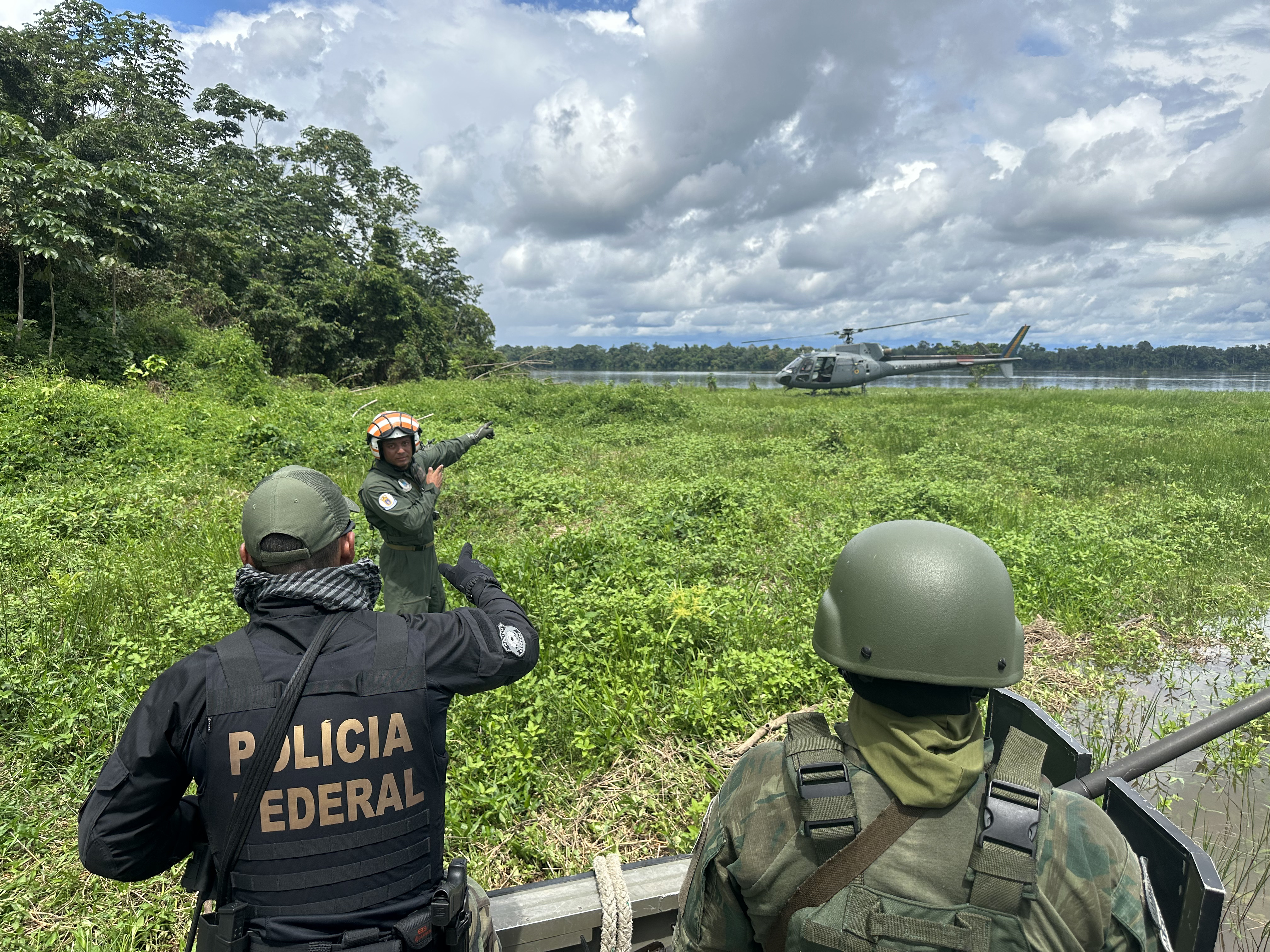
If you live in or invest in Latin America, you already know that elections are supposed to be the cleanest window into a country’s future. But on August 11, 2026, Brazil’s Federal Police launched Operation Omerta in Sobral, Ceará, and the message was blunt: criminal factions are not just robbing streets—they may be capturing city halls. The operation targets an organized-crime group accused of interfering in the 2024 municipal election and the 2026 electoral process. With 14 preventive arrest warrants, 25 search-and-seizure warrants, and 5 precautionary removals from public office, this is not a small sting. It is a systemic warning.
What Operation Omerta Actually Alleges
The investigation, run jointly with Ceará state prosecutors and the FICCO task force, centers on criminal infiltration of local politics in the Sobral region. According to investigators, the group is accused of extorting candidates — charging an alleged electoral ‘toll’ of about R$60,000 (US$11,000) to campaign in certain neighbourhoods — and coercing voters through threats and intimidation. The name “Omertá” is no accident; it is the mafia’s code of silence, and prosecutors say the group enforced that code through threats and violence.
The 5 precautionary removals from public office are particularly telling. They suggest the alleged scheme had already placed people inside the administration, not just outside it. The preventive arrest warrants—issued before trial to prevent further crimes—indicate a judge saw credible evidence of ongoing risk. The 25 searches were spread across the region, hinting at a network of operatives, not a lone actor. Local reporting says three Sobral city councillors (vereadores) were among those arrested and were suspended from their mandates for 180 days, their names under judicial secrecy. Reports of federal deputies arrested, or of cash found in a car, are not confirmed and should not be repeated as fact. Stick to the disclosed numbers: 14 arrests, 25 searches, 5 removals.
Why the Northeast Is a Flashpoint
Brazil’s Northeast has long been a battleground for organized-crime factions, but the focus on Sobral marks a shift. This is not Rio or São Paulo’s favelas; it is a mid-sized city in Ceará where local politics can be deeply personal. Criminal groups have learned that controlling a mayor’s office means controlling public contracts, licensing, and even the police’s priorities. In a region where state presence is thinner, factions fill the vacuum—and they do it through elections.
The timing matters. The 2026 national election cycle is already underway, and the operation landed mid-campaign. That is a deliberate signal from federal authorities that they are watching how crime intersects with ballots, not just in capitals but in the interior. For voters, it raises a grim question: if a faction can place its people in a city hall, can it also decide who goes to Brasília? The investigation in Sobral suggests the answer may be yes—or at least that criminals believe it is possible.
What This Means for Election Integrity
Brazil’s electronic voting system is famously fast and secure at the ballot box. The vulnerability is not the machine—it is the human layer around it. Organized crime does not need to hack a server; it can buy a candidate, threaten a voter, or ghost-write a public bid. Operation Omerta targets exactly that gray zone where money, fear, and politics mix. The removals from office are the most worrying part: they imply the group had already achieved a foothold inside the state apparatus.
For the 2026 elections, this operation serves as a pre-emptive warning. Federal Police are signaling that they will investigate not just vote-buying on election day but the entire ecosystem of political financing and intimidation that happens months before. The use of preventive arrests—rather than waiting for a conviction—shows prosecutors believe the group posed an active threat to the electoral process. That is a strong statement, and it may deter other factions from trying the same playbook, at least in the short term.
Why You Should Care
If you are an expat or investor in Latin America, you care about stability. Organized crime capturing local politics does not just distort elections; it distorts business. Public contracts go to fronts, infrastructure projects get skimmed, and security costs rise for everyone. A city like Sobral is not an isolated case—it is a test case for how Brazil handles the crime-politics nexus. If the Federal Police can prove these allegations in court, it may embolden similar operations across the Northeast.
But there is also a cautionary tale here. The operation’s name—Omertá—reminds us that silence is the enemy of accountability. Witnesses are scared, and that fear is exactly what criminal groups feed on. The fact that authorities moved with 14 arrests and 5 removals suggests they have built a substantial case, but the judicial process will take time. For now, the message is clear: in Brazil’s Northeast, the ballot box is no longer just a civic ritual—it is a frontline in the fight against organized crime.
More: Brazil news, every day from The Rio Times.
Frequently Asked Questions
What is Operation Omerta?
Operation Omerta is a Federal Police operation launched on August 11, 2026, in Sobral, Ceará, targeting an organized-crime group accused of interfering in the 2024 municipal election and the 2026 electoral process. It includes 14 preventive arrest warrants, 25 search-and-seizure warrants, and 5 precautionary removals from public office.
Why is it called Omerta?
The name refers to the mafia code of silence. Prosecutors allege the group used intimidation and threats to control voters and officials, enforcing a code of silence similar to organized crime groups in Italy and elsewhere.
What should investors or residents watch for next?
Watch for court rulings on the preventive arrests and any indictments. Also monitor whether similar operations are launched in other Northeast cities. The key risk is not election-day fraud but long-term criminal influence over public contracts and local governance.
Connected Coverage
Sources: Polícia Federal; MPCE; Repórter Ceará; Diário do Nordeste; Metrópoles.
This article was produced by The Rio Times’ automated newsroom system. How we use AI · Report an error
Read More from The Rio Times