US Terror Designation of Brazil’s Two Biggest Gangs Takes Effect
BRAZIL · SECURITY
Key Facts
—Now in force. the US terror designation of Comando Vermelho and the Primeiro Comando da Capital took effect on June 5, after being announced on May 28.
—From words to law. the move shifts a months-long US push from pressure on Brasília into an active American legal instrument.
—What it triggers. a Foreign Terrorist Organisation listing freezes US-held assets, criminalises material support and bars members from entry.
—The basis. the action cites Section 219 of the Immigration and Nationality Act and an executive order signed by President Donald Trump.
—Brasília’s line. the Lula government has rejected the label as a sovereignty risk, pointing to its own March anti-faction law.
—The fear. Brazilian analysts warn the listing could become a legal pretext for US action on Brazilian soil.
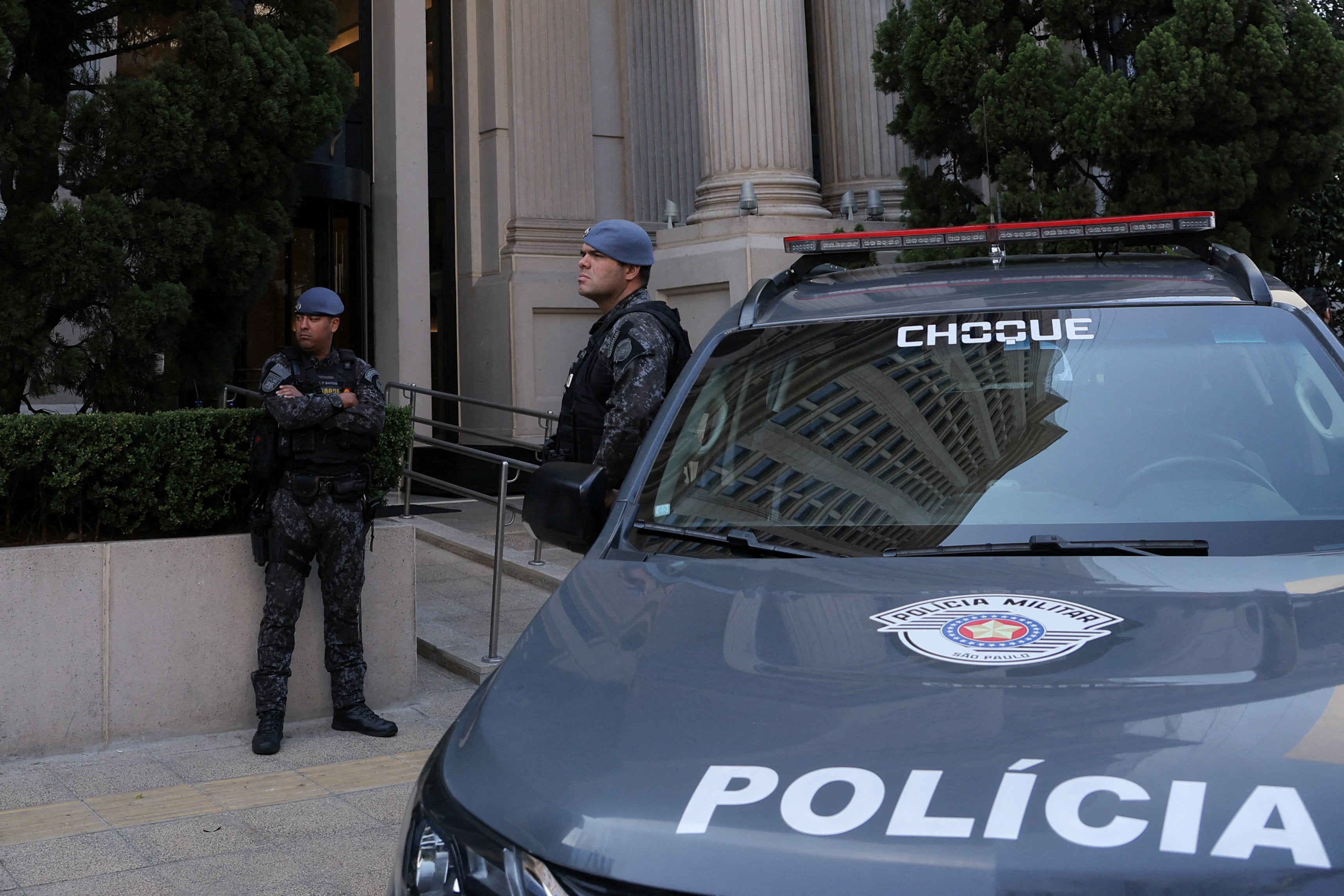
The US terror designation of Brazil’s two largest factions has now taken effect, turning months of Washington pressure and a May announcement into active law and shifting the dispute with Brasília into a new, operational phase.
The terror designation moves from announcement to force
As The Rio Times reported when the State Department announced the step on May 28, the United States moved to brand the Comando Vermelho (CV) and the Primeiro Comando da Capital (PCC) as terrorist groups. That designation has now taken effect, with the department setting June 5 as the date it became operative following publication in the Federal Register.
The shift matters because it converts a long-running diplomatic pressure campaign into a concrete US legal reality. For months Washington had only signalled intent; from this week the listing is live and its consequences begin to attach in American jurisdiction.
What changes now that it is active
In practical terms, a Foreign Terrorist Organisation designation makes it a US federal crime to provide material support to the listed groups. It also freezes any assets they hold within the American financial system and bars members and associates from entering the United States.
The wider effect is financial reach. Banks and firms anywhere that touch the US system tend to treat designated entities as toxic, which can complicate legitimate Brazilian businesses inadvertently linked to faction-controlled areas.
Brazilian prosecutors have stressed that the country already pursues both factions aggressively under its own organised-crime statutes. In their reading, the US label adds an international layer of pressure rather than a new domestic enforcement tool.
How the dispute reached this point
The designation is the culmination of a push Washington has pressed for months, and which The Rio Times has tracked through the Lula-Trump White House meeting in May and the launch of joint Brazil-US crime operations. Secretary of State Marco Rubio, in the May statement, called the CV and PCC two of Brazil’s most violent criminal organisations, with networks extending across the region and into the United States.
The debate had gained momentum after Rio de Janeiro’s deadliest police operation on record, which killed scores of people in an October 2025 offensive against the Comando Vermelho. Rio governor Cláudio Castro subsequently called for international sanctions against the factions, aligning with the US position, while São Paulo prosecutor Lincoln Gakiya warned the move could let Washington treat Brazilian security as a national-security matter—a concern our reporting has shown gained traction as the designation moved from threat to reality.
The announcement also followed meetings in Washington involving Senator Flávio Bolsonaro, a potential presidential candidate, with both Rubio and Trump. Lula, on his own May visit, framed cooperation as jointly choking off criminal financing, and said the two leaders had not discussed the faction classification directly.
The PCC rose from São Paulo’s prison system in the 1990s into Brazil’s most organised criminal network, while the Rio-based Comando Vermelho is older and more fragmented. Both built their wealth on drug trafficking and expanded along the cocaine route to Europe, a reach US authorities cite as justification for the listing.
Why Brasília still objects
The Lula government has consistently rejected the classification as a threat to sovereignty, arguing that organised crime is a domestic public-security matter. It points to the Lei Antifacção, signed in March, which carries penalties of 20 to 40 years, as evidence of internal capacity.
Legal experts cited by the outlet Conjur argue the label changes little in Brazilian investigations and prosecutions. Their main caution is that it could open the door to greater external intervention and possible sanctions touching Brazil itself.
A sharper worry, voiced by analysts quoted in Brasil de Fato, is that the listing could make the factions targets of US action abroad. They point to Colombian groups that saw intensified American strikes against boats off that country’s coast weeks after similar designations.
What to watch from here
The immediate question is how the two governments manage the practical fallout, since the designation’s domestic consequences are to be worked out between Brasília and Washington in the period ahead. Brazilian officials have favoured cooperation through joint channels over unilateral US measures.
With a presidential election due in October, the timing also sharpens the domestic politics. Security policy and the relationship with Washington now hand both the government and the opposition a charged talking point heading into the campaign, in a country where public safety consistently ranks among voters’ top concerns.
More: Brazil news in English, every day from The Rio Times.
Frequently Asked Questions
When did the terror designation take effect?
The US State Department set June 5, 2026 as the date the designation became operative, after announcing it on May 28 and publishing it in the Federal Register.
What does the designation do now that it is active?
It makes providing material support to the groups a US federal crime, freezes their US-held assets and bars members and associates from entering the United States.
Which groups are affected?
Brazil’s two largest criminal factions, the Comando Vermelho from Rio de Janeiro and the Primeiro Comando da Capital from São Paulo.
Why does Brazil oppose it?
The Lula government calls it a sovereignty risk, citing its own March anti-faction law, while analysts warn it could open the door to US sanctions or action on Brazilian soil.
Connected Coverage
This builds on our earlier reporting on the designation announcement, how Brazil tried to block the label, and the joint Brazil-US crime operations.
This article was produced by The Rio Times’ automated newsroom system. How we use AI · Report an error · Editorial responsibility: Matthias Camenzind, Editor-in-Chief