
Key Facts
—The idea. Nigeria proposes a US$10 billion peace fund for the African Union (AU), the continent’s bloc, built over ten years.
—The gap. The AU Peace Fund, which pays for AU mediation and peace missions, holds about US$400 million; a US$1 billion target is on the table.
—Status. This is a proposal, not an AU decision; no outcome of the Accra meeting in Ghana had been published.
—Next. Nigeria wants a work plan from Accra and a progress report at the AU’s 2027 mid-year session.
—As of 14 November 2026, 12:00 GMT.
Nigeria has proposed a US$10 billion African Union (AU) Peace Fund, built over ten years, to cut Africa’s reliance on outside money for its own peace efforts. Finance Minister Taiwo Oyedele put the figure to an AU finance meeting in Accra, Ghana, on Friday 13 November 2026, his ministry said in a statement.
What We Know
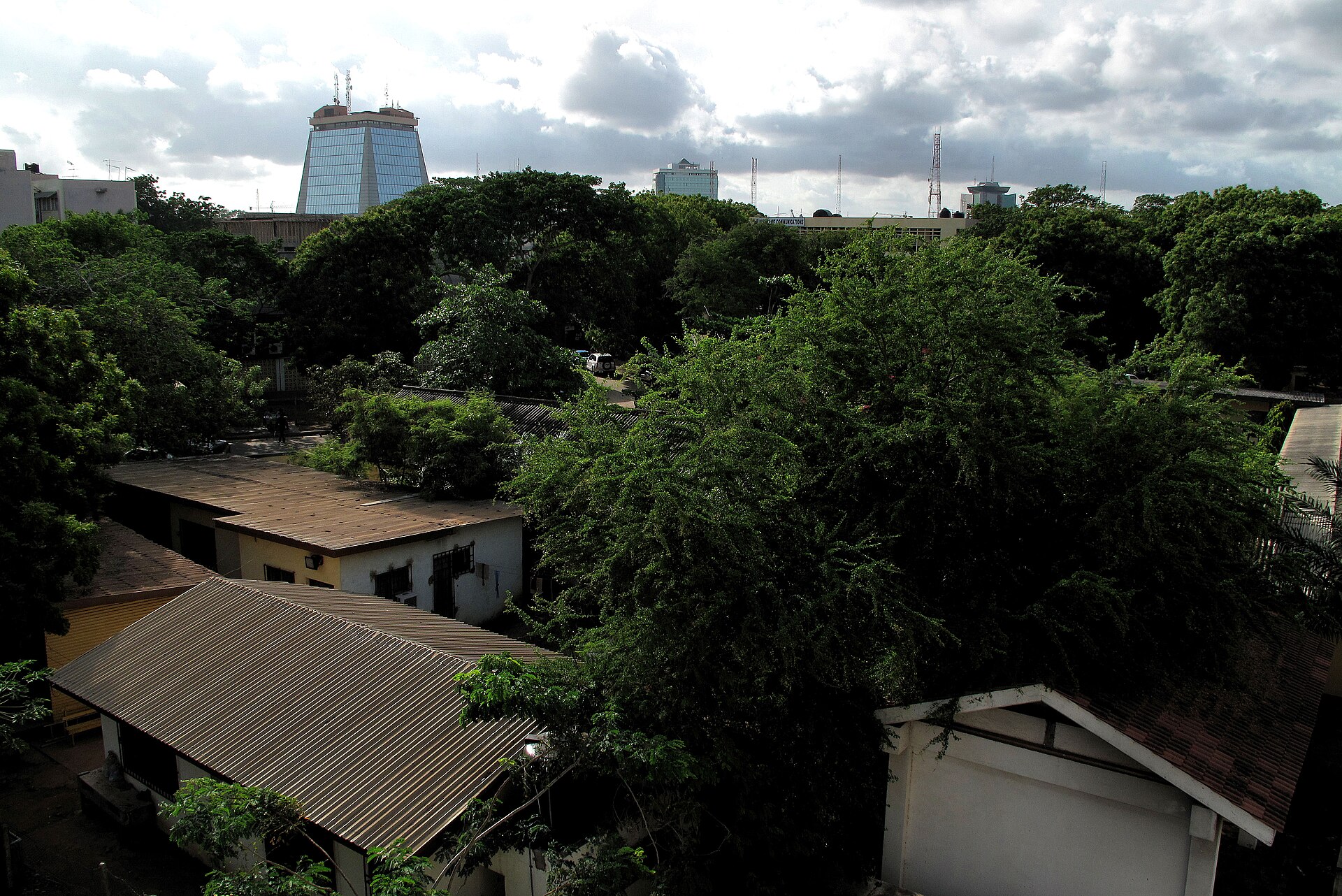
The 27th Extraordinary Session of the AU Executive Council (the AU’s council of foreign ministers) on Financing the Union met in Accra, Ghana’s capital, on Friday 13 November 2026, the AU Commission (the bloc’s secretariat) said in a press release on 9 November. The AU Commission and Ghana’s government organised it, and it brought together foreign and finance ministers of member states.
Nigeria’s Federal Ministry of Finance said in a statement that Oyedele, the country’s Finance Minister, proposed a US$10 billion fund built over ten years. The aim is to reduce the AU’s reliance on external funding.
Money would come from levies on member states, philanthropy and African capital, the ministry said. Investments would follow sovereign wealth fund principles (the way state investment funds work), earning returns for peace initiatives.
The AU Peace Fund, which pays for AU mediation and peace missions, holds about US$400 million. A reform report by Kenya’s President William Ruto, presented on 14 February 2026 at the 39th AU summit in Addis Ababa, Ethiopia, recommended raising it to US$1 billion.
Nigeria said it remains open to the US$1 billion target already under consideration. It described US$10 billion as the more ambitious figure.
Why It Matters
By simple arithmetic, the proposed fund is 25 times today’s roughly US$400 million and ten times the US$1 billion target now on the table. The gap shows how far apart the ambitions inside the AU could be.
Oyedele said member states finance 25% of the AU budget and 4% of programme funding, against a target of 75%, according to the ministry’s statement. He argued that falling development assistance makes raising money at home more urgent.
Nigeria’s Three Conditions
Nigeria attached three conditions to its proposal, the ministry said, and has detailed two of them. The first is fiscal discipline: fewer high-impact priorities, a credible medium-term fiscal framework and performance-linked spending ceilings.
The second is institutional efficiency, starting with removing 29 identified areas of duplication, which Nigeria links to up to US$36 million. It also wants outstanding audit recommendations implemented and new revenue explored, such as AU-owned property.
Oyedele opposed drawing down the fund’s principal (its core capital) and wants the interest-only rule, under which only the fund’s investment returns can be spent, kept until a sustainable replenishment mechanism exists. He also asked members with outstanding commitments to pay within an agreed timeframe.
He asked experts of the Forum of Finance Ministers, called F15 and made up of AU finance ministers, to validate projections that member contributions could reach US$779 million by 2031. The ministry described that as almost four times the current ceiling.
What to Watch Next
Oyedele asked the Accra meeting for a concrete implementation work plan. He wants the AU Commission to report progress at the AU’s 2027 mid-year session, whose date is not confirmed.
He also asked F15 experts to cost the financing option fully and explore alternatives. No date has been given for their validation of the 2031 projections.
What Is Not Known
No outcome of the Accra session had been published as of 14 November 2026, so it is unclear whether members adopted any financing plan or the US$10 billion figure. Nigeria’s figure is a proposal, not an AU decision.
Nigeria has not detailed its third condition, on financial leverage, in the statement. No other member’s position on the US$10 billion figure has been published.
What It Means for You
No direct US consequence has been stated. Those affected are AU peace operations, African governments that would pay the levies, and donors that are reducing aid.
Nigeria’s own statement says falling development assistance is why it wants money raised at home. Until members adopt any figure, US$10 billion remains Nigeria’s opening position.
Frequently Asked Questions
What did Nigeria propose?
Nigeria proposed a US$10 billion African Union Peace Fund built over ten years, to reduce the AU’s reliance on external funding. Its finance ministry said so in a statement on the Accra meeting.
How big is the current AU Peace Fund?
The fund holds about US$400 million, and a February 2026 reform report recommended raising it to US$1 billion. Nigeria says it remains open to that target.
Has the African Union approved the plan?
No outcome of the Accra meeting had been published as of 14 November 2026. The US$10 billion figure is a Nigerian proposal, not an AU decision.
Where would the money come from?
Nigeria listed levies on member states, philanthropy and African capital. Investments would follow sovereign wealth fund principles, earning returns for peace initiatives.
Sources: Federal Ministry of Finance of Nigeria, statement on the Accra session, 13-14 November 2026; African Union Commission press release, 9 November 2026 (au.int); AU Assembly 39th ordinary session, reform report presented 14 February 2026.
Connected Coverage: Somalia’s peace mission now hangs on a UN vote; Nigeria’s January vote faces violence fears; Nigeria news.
This article was produced by The Rio Times’ automated AI newsroom. Editorial responsibility: Matthias Camenzind, Publisher and Editor-in-Chief. The Rio Times also runs Ask Rio Times, which answers from 100,000+ of our own articles, the daily Latin America Power Map, and prediction-market odds on elections and markets.. How we use AI · Report an error