Nigeria’s Business Lending Rate Falls to 29.2 Percent, Lowest in 2026
Nigeria · BANKING
Key Facts
- —What happened Nigeria’s average maximum lending rate to businesses fell to about 29.2 percent in August 2026.
- —How big It is the lowest this year, after banks’ maximum rates stood at 33.16 percent in mid-2026.
- —What it means Borrowing costs remain far above the central bank’s 26.50 percent policy rate.
- —The catch Economists say the policy rate keeps business borrowing costs above 30 percent.
- —Who is affected Large firms can negotiate better rates, while smaller ones face higher charges.
- —What comes next The central bank is expected to hold the policy rate at its September meeting.
Nigeria’s average maximum lending rate to businesses fell to about 29.2 percent in August 2026, the lowest this year. The decline offers some relief to companies that have faced high borrowing costs, but commercial credit remains far above the central bank’s policy benchmark.
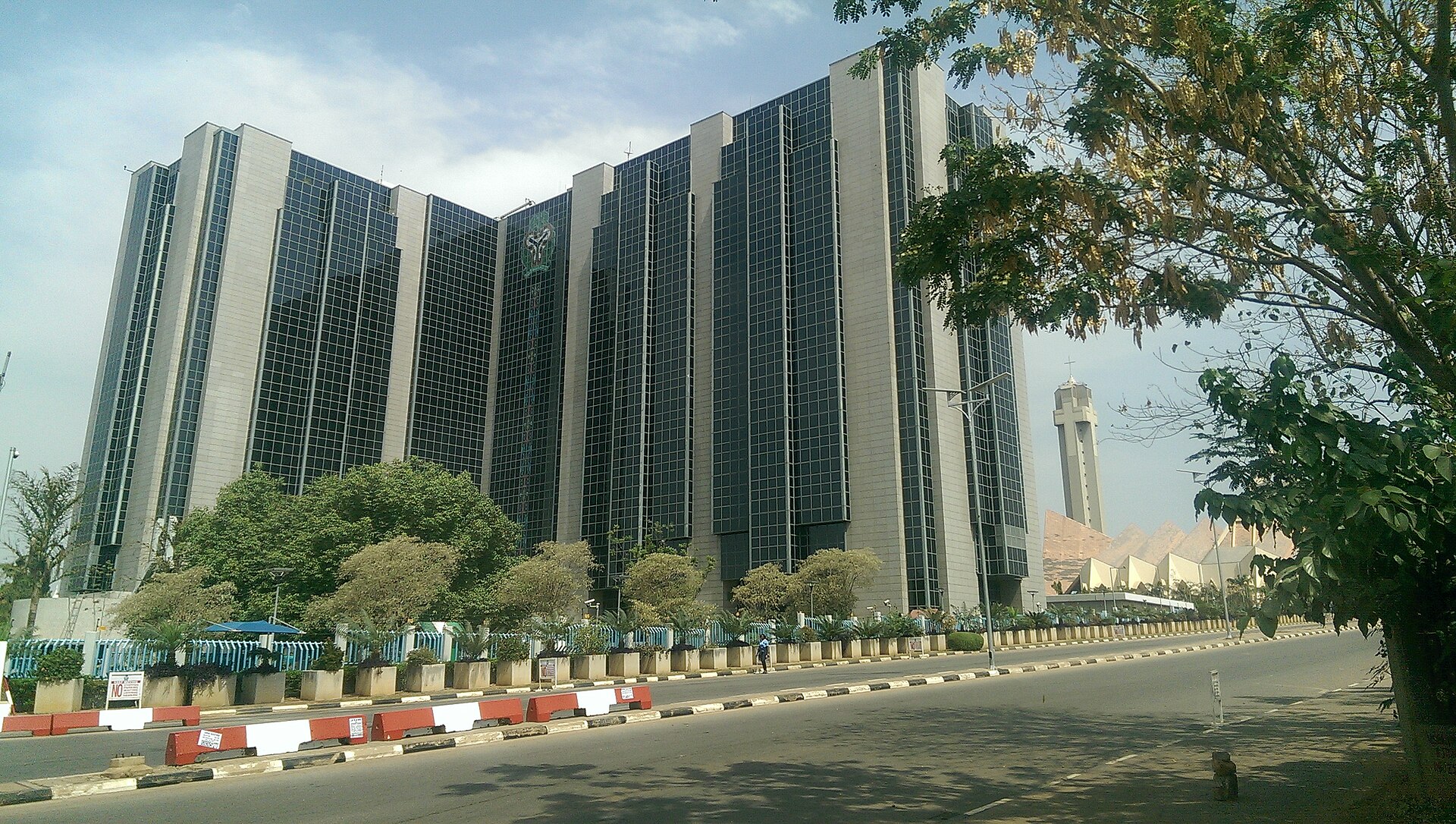
The Central Bank of Nigeria reported the August figure as 29.20 percent, while the same report cited 29.19 percent as the lowest this year. ThisDay had reported in July that the rate fell to 33.16 percent in June, from 34.78 percent in May.
What the August Lending Rate Drop Shows
The August 2026 figure marks a clear step down from the 33.16 percent reported for mid-2026. It is also the lowest average maximum lending rate recorded in Nigeria during 2026, according to the central bank’s Money Market Indicator.
The Central Bank of Nigeria cut its Monetary Policy Rate to 26.50 percent from 27.00 percent in February 2026. It held the rate at that level at its July 2026 meeting, signalling a steady stance rather than a new easing cycle.
Why Borrowing Costs Stay High for Nigerian Firms
Nigeria’s benchmark rate stood at 26.50 percent in July 2026, with inflationary pressure still shaping policy decisions. Even after the August lending rate decline, commercial banks continue to price risk well above the policy floor.
Economists cited by Nairametrics say the 26.5 percent policy rate keeps borrowing costs above 30 percent for businesses. That gap between the policy rate and actual lending rates remains a core concern for firms seeking affordable credit.
Credit Volumes Are Rising Despite High Prices
Central Bank of Nigeria data show credit to the private sector rose to N83.43 trillion (about US$62.7 billion) in July 2026. That was up from N80.59 trillion (about US$60.6 billion) in April 2026.
In August 2026, private-sector credit increased further to N84.55 trillion (about US$63.5 billion), according to ThisDay. Government credit fell to N32.70 trillion (about US$24.6 billion) in August from N33.92 trillion (about US$25.5 billion) in July.
The wider money supply rose to N139.38 trillion (about US$104.7 billion) in August, up 16.4% from a year earlier, Nairametrics reported. Faster money growth is one reason the central bank remains cautious about cutting rates.
Who Gains and Who Loses From the New Rate
Large corporate borrowers with strong balance sheets are best placed to negotiate rates below the 29.2 percent average. They can also tap multiple banks and choose the most competitive offer.
Smaller firms and those with weaker credit histories face the opposite situation. The figure is an average of banks’ maximum rates, so many small borrowers still pay well above 29 percent.
Why Rates Are So High
Nigeria’s high rates are the result of years of double-digit inflation and a weak naira. The central bank raised its policy rate sharply in 2024 and has only recently begun to ease.
For foreign investors, lower lending rates would support local manufacturers and retailers. The risk is that easing too quickly could revive inflation and pressure on the currency.
What to Watch in the Months Ahead
The next test is whether the August 2026 decline continues into the final quarter of the year. If the Central Bank of Nigeria holds or cuts its Monetary Policy Rate further, average lending rates could follow.
Inflation data will be decisive. Any renewed price pressure could force the central bank to pause, keeping the spread between policy and lending rates wide.
Frequently Asked Questions
What is Nigeria’s current average maximum lending rate to businesses?
Nigeria’s average maximum lending rate to businesses was about 29.2 percent in August 2026, the lowest level this year and well below the 33.16 percent reported for mid-2026.
Why are Nigerian business lending rates still higher than the central bank’s policy rate?
The Central Bank of Nigeria’s Monetary Policy Rate was cut to 26.50 percent from 27.00 percent in February 2026 and has since been held. Commercial banks price risk well above that benchmark, keeping borrowing costs above 30 percent for many firms.
How much credit did Nigeria’s private sector receive in July 2026?
Credit to Nigeria’s private sector rose to N83.43 trillion (about US$62.7 billion) in July 2026, according to Central Bank of Nigeria data. It increased further to N84.55 trillion (about US$63.5 billion) in August.
What is the Central Bank of Nigeria expected to do next?
Analysts expect the central bank to hold the Monetary Policy Rate at 26.50 percent at its September 2026 meeting. Any renewed inflation pressure could delay further rate cuts.
Connected Coverage
Sources
This article was produced by The Rio Times’ automated newsroom system. How we use AI · Report an error
LatAm Markets: Live Signals → — real-time movers, turnover leaders and FX across Latin America.
Read More from The Rio Times