NEW ZEALAND · ELECTION
Published Tuesday, 27 October, 6:22 p.m. ET · Source: New Zealand Electoral Commission, Ipsos New Zealand Issues Monitor
Key Facts
- Election day Saturday, 7 November 2026, with voting places open 9 a.m. to 7 p.m. New Zealand time.
- US Eastern time Voting runs from 3 p.m. ET Friday, 6 November, to 1 a.m. ET Saturday, 7 November, because New Zealand is on daylight-saving time.
- Preliminary results Released progressively from 7 p.m. New Zealand time, or 1 a.m. ET on Saturday, 7 November.
- Official results The Electoral Commission is scheduled to declare official results on 27 November 2026.
- Advance voting Began 26 October in New Zealand and 21 October overseas; enrolment closed at midnight on 25 October.
How The Vote Works
New Zealand uses a Mixed-Member Proportional system, known as MMP, to elect its Parliament. Each voter gets two votes: a party vote for the political party they want in government, and an electorate vote for the candidate representing their local area.
The New Zealand Parliament typically has 120 seats. A political party must win at least 5% of the total party vote, or win at least one electorate seat, to secure seats in Parliament.
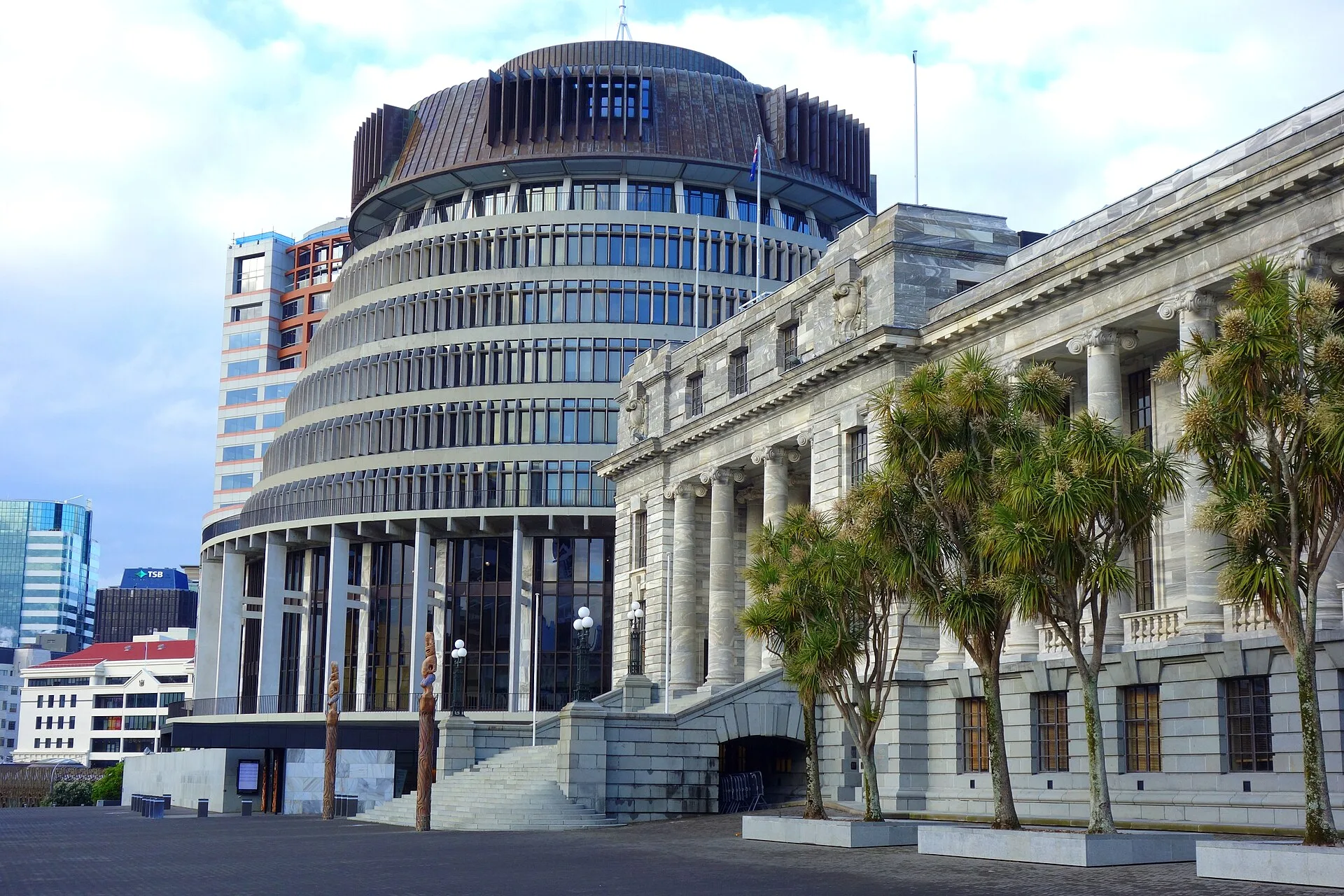
New Zealand elections rarely produce an outright majority, so parties usually forge coalitions to form a government. The election is administered by the Electoral Commission, New Zealand's independent election-management body.
Who Is Competing
The incumbent government is led by Prime Minister Christopher Luxon, whose centre-right National Party came to power in 2023. The main opposition is the centre-left Labour Party, led by Chris Hipkins, who is the Leader of the Opposition and a former prime minister.
The parties that qualified for the televised debates are National, Labour, ACT, New Zealand First, the Greens, Te Pāti Māori and The Opportunity Party. A Verian poll of 1,007 voters taken 8 to 12 October showed Luxon and Hipkins tied as preferred prime minister, and the same poll put The Opportunity Party on track for 10 MPs.
Key Issues And Timing
Cost of living is a major concern for New Zealanders. A September 2026 Ipsos survey found that 63% of respondents identified inflation and the cost of living as one of the country's most important issues.
When Results Arrive
Preliminary results will be released progressively from 7 p.m. New Zealand time on election night through the official election-results website.For US readers, that is 1 a.m. ET on Saturday, 7 November.The Electoral Commission is scheduled to declare official results on 27 November, after counting and verification of ordinary, overseas and special votes.A clear result on election night could provide an early indication of which parties are best placed to form a government.However, a tight race could delay negotiations if no party wins an outright majority.New Zealanders may therefore have to wait beyond election night to learn which parties will form the next government and who will lead the country for the next three years.
What It Means for US Readers
New Zealand is a close US ally and a member of the Five Eyes intelligence-sharing arrangement, alongside the United States, Australia, Canada and the United Kingdom. The election outcome could shape Wellington's approach to trade, tariffs and security cooperation.
US investors and expatriates with interests in New Zealand will be watching the coalition talks closely. The country's economic management, tax policy and regulatory environment are relevant to American businesses operating in the Asia-Pacific region.
What Is Not Known
Current seat projections are not known, and there is no verified account of which parties are negotiating or ruling out coalition arrangements. The number of enrolled voters, voting places or ballots cast so far is also not known from the available authoritative reporting.
Frequently Asked Questions
When do New Zealand election results arrive in US Eastern time?
Preliminary results begin at 7 p.m. New Zealand time on Saturday, 7 November, which is 1 a.m.
How does New Zealand’s MMP system work?
Each voter gets a party vote and an electorate vote. Parties need at least 5% of the party vote or one electorate seat to enter Parliament, which typically has 120 seats.
Who are the main party leaders?
Prime Minister Christopher Luxon leads the centre-right National Party, while Chris Hipkins leads the centre-left Labour Party. The coalition partners are the ACT Party and New Zealand First.
Sources: New Zealand Electoral Commission, Ipsos New Zealand Issues Monitor.
More: Brazil news, every day from The Rio Times.
This article was drafted with automated assistance and reviewed before publication. How we use AI · Report an error · Editorial responsibility: Matthias Camenzind, Editor-in-Chief