New U.S. Oil Investment in Guyana Dims Venezuela’s Annexation Hopes
Exxon Mobil Corp. is launching its seventh oil project in Guyana, aiming to significantly boost oil output in the next decade.
Named Hammerhead, the new venture expects to produce up to 180,000 barrels daily by 2029, pending approval from the Guyanese government.
Given the latest investment by this U.S. oil major, Venezuela’s prospects of successfully annexing the Esequibo region appear increasingly unlikely.
This week, Exxon sought environmental approval for a massive investment poised to boost national output to nearly 1.5 million barrels per day, aligning with Nigeria, an OPEC member.
Such investment, totaling billions of dollars, cements Exxon’s role in Guyana, a country with sparse population but immense potential.
Exxon’s vigorous expansion has positioned Guyana as a leading non-OPEC oil producer, significantly impacting global oil markets.
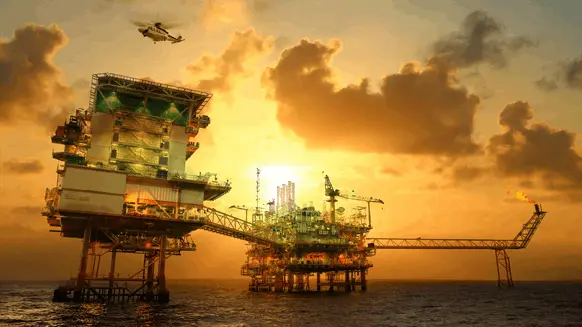
Post-pandemic, Guyanese oil has played a key role in rejuvenating Exxon’s stock, given its profitability and low extraction costs.
The Hammerhead project, with a capacity 30% below previous setups, is the smallest since 2019.
If greenlit by mid-2025, this project will maintain Exxon’s rhythm of inaugurating a new endeavor in Guyana every 18 months.
New U.S. Oil Investment in Guyana Dims Venezuela’s Annexation Hopes
Since 2015, Exxon has discovered over 30 substantial oil deposits in Guyana’s Stabroek Block, tallying more than 11 billion barrels of recoverable reserves.
Exxon operates the block and owns a 45% stake, with Hess Corp. and China’s Cnooc Ltd holding the remainder.
Currently, Exxon is involved in arbitration with Chevron over Hess’s acquisition, a dispute centered around rights of first refusal.
This situation reflects broader industry dynamics where strategic mergers and acquisitions shape sectoral geography.
The unfolding developments in Guyana’s oil sector reflect a broader narrative of energy independence and strategic economic positioning.
Amid shifting global alliances and a push for energy independence, countries like the U.S. are urgently diversifying their energy sources beyond traditional suppliers.
More: Nigeria news in English, every day from The Rio Times.
This article was produced by The Rio Times’ automated newsroom system. How we use AI · Report an error
Read More from The Rio Times