Economic Resurgence in Guyana Attracts Expatriates Amid Oil Boom
Following a major oil find, a considerable number of Guyanese expatriates are making their way back home.
These individuals, about 80% of whom are university graduates, had previously left to seek better opportunities abroad.
Now, they return, drawn by the promise of a booming economy drastically different from the country they left, where half of the population once survived on less than $5.50 a day.
These returnees are not just coming back but are also starting ventures like Mediterranean fast food chains.
These establishments, despite being in a nation still grappling with poverty, charge an average of $14 per meal.
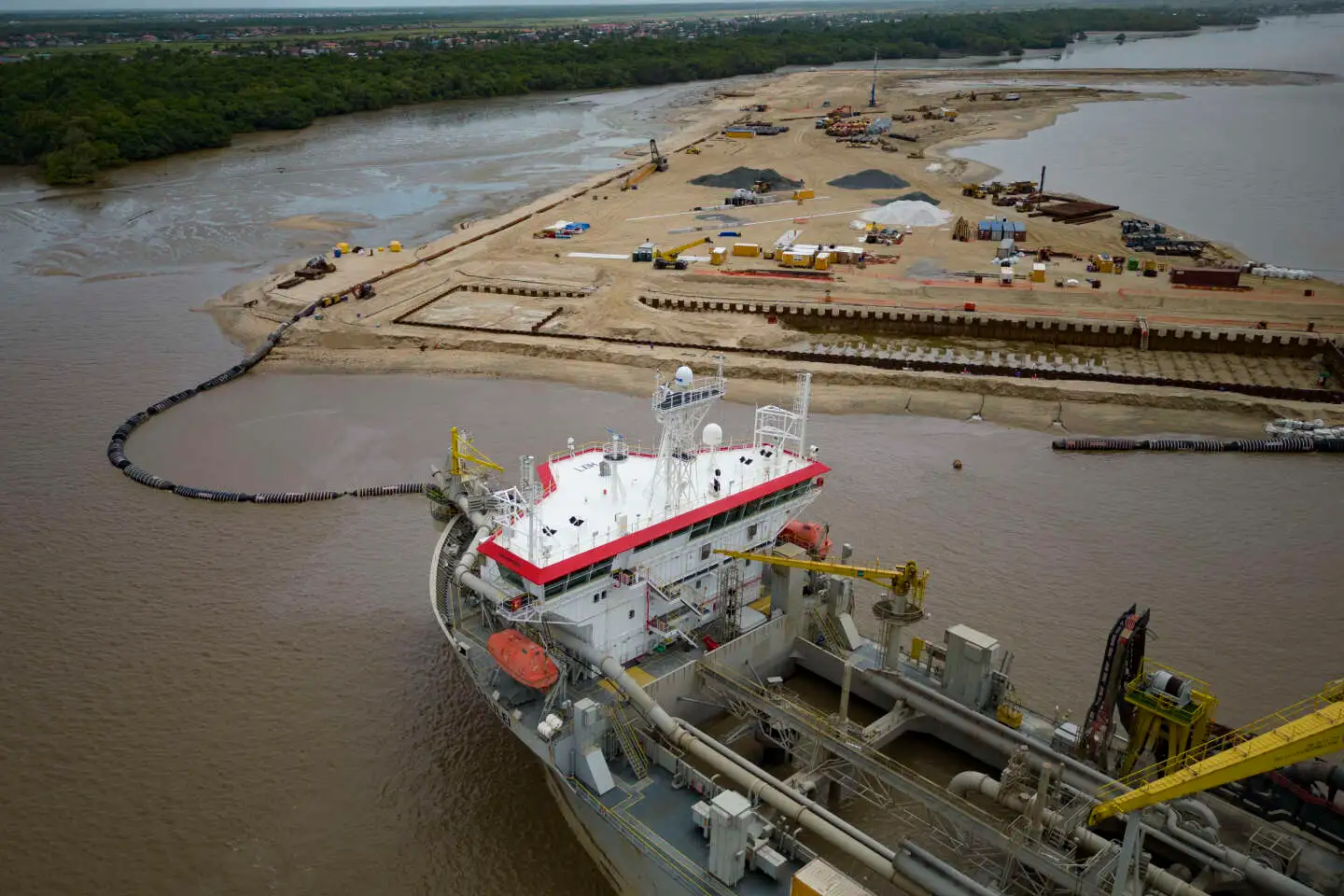
They represent a stark shift from the economic landscape of just a few years ago and are part of a broader trend of development and prosperity.
Since the commencement of oil production in 2019, the movement of people has dramatically shifted, with a net migration gain of 122,000 from 2016 to 2023.
This influx is transforming the socioeconomic conditions in Guyana, a nation with a population similar to North Dakota’s at around 780,000.
The economic growth driven by the oil sector is profound, with an increase of 33% last year alone.
Guyana is on track to outpace oil production per capita compared to giants like Saudi Arabia and Kuwait by 2027.
The government plans to channel the burgeoning oil revenue, which is expected to rise by 50% to $2.4 billion this year, into large-scale infrastructure projects.
These projects include the construction of hospitals, hotels, and roads, aiming to bolster the nation’s economic stature further.
However, this rapid growth brings its own set of challenges. The country faces a shortage of skilled labor and an inflation rate that shadows the official figures.
Strikes for higher wages are becoming more frequent as the cost of living continues to climb.
Workers in the private sector are under pressure to keep up with the accelerating pace of the economy or face competition from foreign workers.
Guyana’s Economic Evolution
This evolving economic scenario presents both significant opportunities and potential risks. It could profoundly change the social and economic fabric of Guyana.
The pivotal role of returning expatriates, armed with capital and local knowledge, is crucial in this transformative period.
Their involvement highlights the impact of global commodity markets on local economies. This underscores a larger narrative about globalization’s effects on individual nations.
This economic transformation matters because it encapsulates the challenges and opportunities faced by developing nations in the global economy.
It serves as a case study of how resource wealth can either propel a nation forward or ensnare it in more profound socio-economic issues.
The outcome for Guyana could provide key insights into managing resource-driven economies. It aims to avoid the pitfalls of resource curses and achieve sustainable development.
More: Latin America news in English, every day from The Rio Times.
This article was produced by The Rio Times’ automated newsroom system. How we use AI · Report an error · Editorial responsibility: Matthias Camenzind, Editor-in-Chief