In Peru, a storm is brewing as President Dina Boluarte’s approval rating has sunk to an all-time low of just 5%
This record dip comes amid significant political unrest following her ascension to office in late 2022 after Pedro Castillo’s impeachment.
The public’s dissatisfaction is palpable, with a staggering 84.3% disapproving of her leadership.
This scenario paints a picture of a nation deeply divided and disillusioned with its leaders.
Boluarte’s tenure has been marred by controversies, including corruption scandals linked to her close associates and family members, further fueling public discontent.
These issues have severely damaged her administration’s credibility and effectiveness, driving her disapproval rates sky-high.
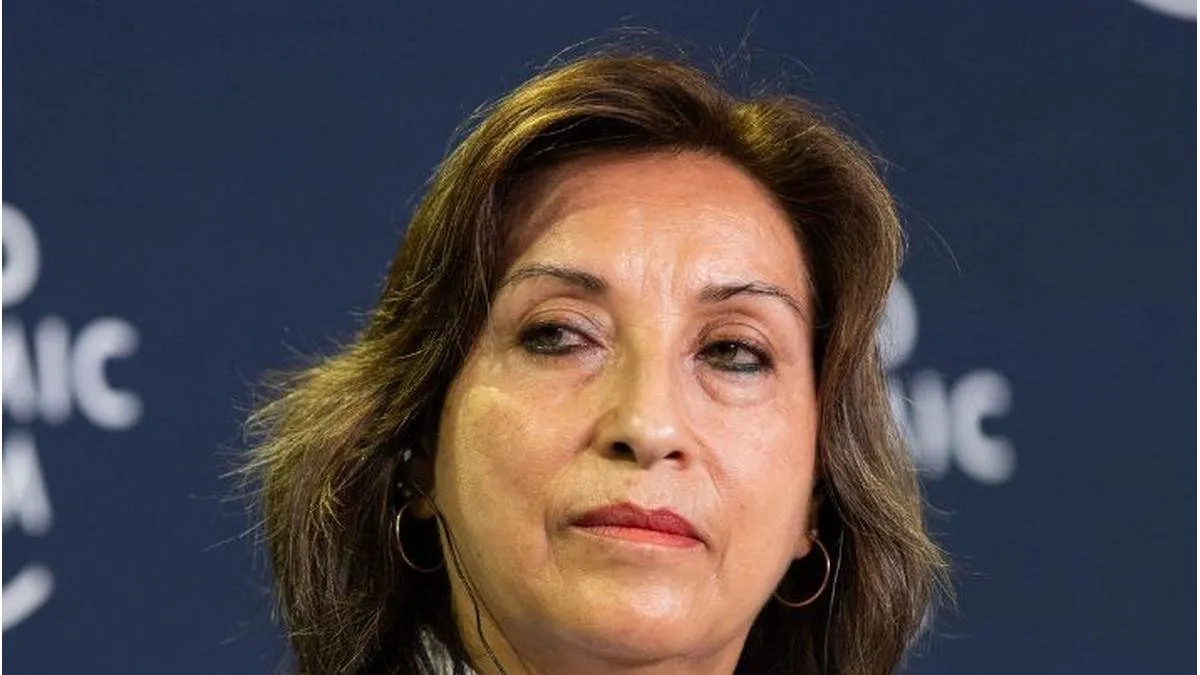
Amid this backdrop, a significant number of Peruvians are calling for early elections, seeing it as a pathway to better governance and a fresh start.
This sentiment underscores a critical desire for change and a break from a leadership increasingly seen as out of touch with the populace’s needs and expectations.
The current political climate in Peru represents a crucial juncture.
Boluarte’s government faces the formidable task of regaining public trust and navigating the country through its ongoing economic and social challenges.
As dissatisfaction increases, the demand for an effective and responsive government grows clearer.
Background
In 2023, Peru faced a deepening economic strain, evidenced by rising poverty levels and falling real incomes.
Nearly 30% of Peruvians, or 9.7 million people, lived below the poverty line, up 1.5 percentage points from last year.
In urban areas, poverty rates rose to 26.4%, while rural areas saw a slight decrease to 39.8%.
Poverty rates varied significantly by region, reaching 44.5% in Cajamarca but only 6.9% in Ica.
More: Peru news in English, every day from The Rio Times.
This article was produced by The Rio Times’ automated newsroom system. How we use AI · Report an error
Read More from The Rio Times