Foot-and-Mouth Breaches Namibia’s Beef Export Zone, Halting Slaughter
Namibia · AGRICULTURE
Key Facts
- —What happened Foot-and-mouth disease was confirmed in the Karasburg State Veterinary District in southern Namibia on 23 September 2026.
- —The trigger Ten of 11 samples from cattle on a commercial farm tested positive for the disease.
- —The response Namibia halted slaughter at export and local abattoirs and suspended all livestock movement nationwide.
- —The preparation Namibia’s hunting association said the country had spent a year preparing for an FMD response.
- —What comes next It has halted slaughter and all livestock movement nationwide, activated the National FMD Contingency Plan and is considering subdividing the free zone.
Foot-and-mouth disease has been confirmed inside Namibia’s internationally recognised disease-free zone. Slaughter and livestock movement have been halted across the country.
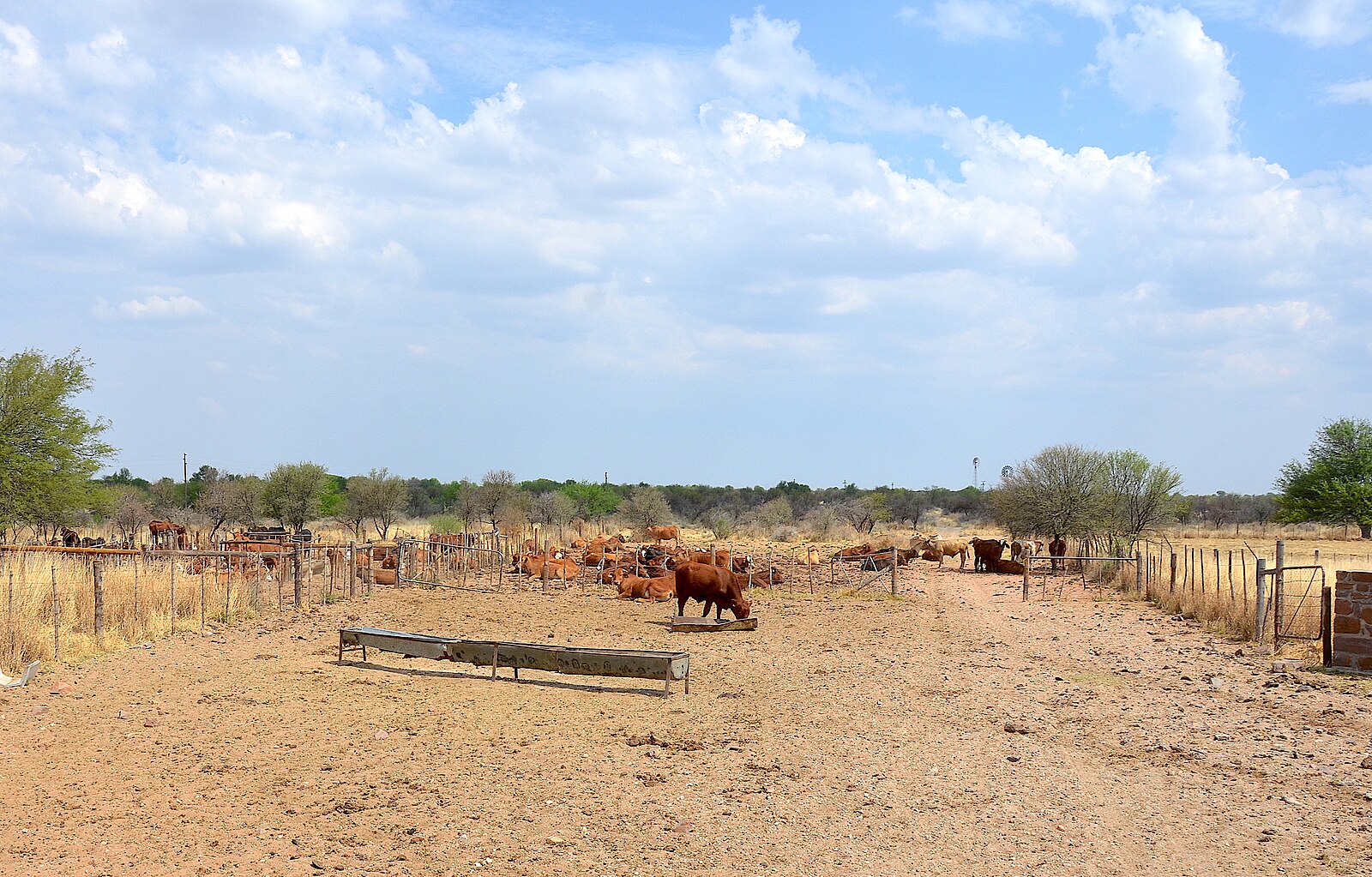
Namibia has confirmed foot-and-mouth disease inside the export zone on which its beef trade depends. The announcement was made in the National Assembly on 23 September 2026.
The confirmation and immediate response
Foot-and-mouth disease was confirmed in the Karasburg State Veterinary District in southern Namibia on 23 September 2026. Authorities said 10 of 11 samples from cattle on a commercial farm tested positive.
Ten of 11 cattle samples were positive. Dr Charles Mubita, the acting agriculture minister, told the National Assembly that slaughter at export and local abattoirs would stop immediately.
The halt came under Veterinary Public Notification No. 15 of 2026. All movement, import and export of cloven-hoofed animals and their raw products was suspended nationwide.
Why the disease-free zone matters for Namibia FMD outbreak economics
Namibia’s beef exports run to about N$5.5 billion a year, roughly US$335 million. The European Union, the United Kingdom and Norway take about N$3.3 billion of that, roughly US$201 million.
Those premium markets buy on the strength of the disease-free status. Karasburg sits inside the zone that international buyers recognise.
Savanna Beef Processors, listed in Windhoek, warned shareholders of material disruption to its European and British export operations. Namibia notified the World Organisation for Animal Health on 24 September.
The year of preparation
Hannes du Plessis leads the Namibia Professional Hunting Association. He says his body and the Namibia Agricultural Union worked with government through the year to prepare.
He urged members to follow the restrictions and not to look for loopholes. The National FMD Contingency Plan has been activated under the Animal Health Act of 2011.
The ministry’s own assessment ten months ago was blunter. In November 2025 Kingsley Kwenani, a deputy executive director at the agriculture ministry, said the free zone was not ready.
Market access and standards power
The issue here is market access rather than politics. Namibia’s export status rests on animal-health rules set by the World Organisation for Animal Health.
The exposure that matters is European. Those buyers pay the premium that makes the free zone worth maintaining.
Subdividing the free zone is a standard containment strategy. It would let unaffected areas resume exports while the infected district stays shut.
Who gains and who loses
Commercial farmers in the Karasburg State Veterinary District face immediate losses from movement restrictions. Abattoirs and processors that rely on animals from the disease-free zone also stand to lose revenue.
The government’s credibility rests on how fast it contains the outbreak. Buyers will judge the response rather than the preparation.
Regional trade partners will watch closely. Any prolonged disruption could push buyers toward alternative suppliers in Southern Africa.
What to watch next
Subdivision is not straightforward. The veterinary service’s proposal was sent back as too expensive, and officials are now looking at using existing game fences.
A workable plan could take about six months before it goes to the World Organisation for Animal Health. The serotype of the virus had not been identified at the time of writing.
For farmers the question is how long the halt lasts. The treasury will be watching the European trade, a theme of our Africa: The New Scramble coverage.
Frequently Asked Questions
Where was the foot-and-mouth disease outbreak confirmed in Namibia?
It was confirmed in the Karasburg State Veterinary District in southern Namibia on 23 September 2026, inside the recognised disease-free zone.
How many samples tested positive for foot-and-mouth disease?
Ten of 11 samples from cattle on a commercial farm tested positive for the disease.
What is Namibia doing to contain the foot-and-mouth disease outbreak?
It has halted slaughter and all livestock movement nationwide, activated the National FMD Contingency Plan and is considering subdividing the free zone.
Connected Coverage
Sources
This article was produced by The Rio Times’ automated newsroom system. How we use AI · Report an error
Read More from The Rio Times