Namibian Sardine Deaths Sent for Testing as South Africa Curbs Catches
SOUTHERN AFRICA · FISHERIES
Key Facts
- —The event A sardine die-off stretching about 2,600 km from Henties Bay in Namibia to South Africa’s northern Wild Coast.
- —The cause Pilchard herpesvirus is the most likely cause, on a 99.7% genetic match to the Australian strain.
- —The action South Africa has imposed a temporary precautionary limit on sardine catches. Namibia has announced none.
- —The Namibian angle Strandings at Langstrand, Walvis Bay, Swakopmund and Henties Bay; samples sent for testing.
- —Not yet linked South Africa says the Namibian strandings cannot be conclusively linked until laboratory comparisons are complete.
- —Public health The virus is not known to infect people.
The fishery facing restrictions is South Africa’s. Namibia is at the northern end of the die-off and is still waiting for its laboratory results.
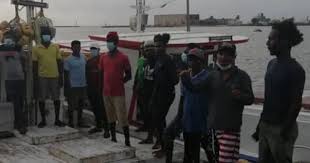
South Africa has limited sardine catches after identifying pilchard herpesvirus as the most likely cause of a mass die-off running from Namibia to the Eastern Cape, while Namibia tests its own samples and has imposed no restrictions.
What Has Been Found
Pilchard herpesvirus, PHV, is a herpesvirus of sardines that damages the gills and impairs respiration. It caused mass sardine mortalities in Australia in 1995 and 1998 to 1999.
South Africa’s Department of Forestry, Fisheries and the Environment says this is the first confirmed detection in the country; surveillance in 2016 found none. Genetic sequencing shows a 99.7% match to the Australian virus. The department says PHV is not known to infect people.
The mortality spans about 2,600 kilometres between the outermost reported locations, from Henties Bay in Namibia to the northern Wild Coast. The department cautions that deaths were not recorded continuously along the whole stretch.
What South Africa Has Done
The Small Pelagic Scientific Working Group recommended a temporary precautionary limitation on catches while further information is gathered, rather than a full closure, and the department has implemented that limitation.
The restriction reverses direction sharply. On 1 July 2026 the department had raised the sardine total allowable catch by 6,000 tonnes to 36,500 tonnes west of Cape Agulhas, an increase the South African Pelagic Fishing Industry Association valued at about R500 million, roughly US$31 million, in total economic benefit.
What Namibia Has Done
South Africa’s department says similar strandings have been reported in Namibia at Langstrand, Walvis Bay, Swakopmund and Henties Bay, but that these cannot yet be conclusively linked to the South African event until laboratory comparisons are complete. Arrangements have been made to test Namibian samples for PHV.
Namibia’s Ministry of Agriculture, Fisheries, Water and Land Reform confirmed on 3 September 2026 that it had collected samples from fish deaths at Henties Bay. Spokesperson Romeo Muyunda said it would be premature to speculate on the cause or extent before the appropriate scientific assessments have been conducted. The Municipality of Henties Bay advised residents not to eat fish collected from the sea until further notice.
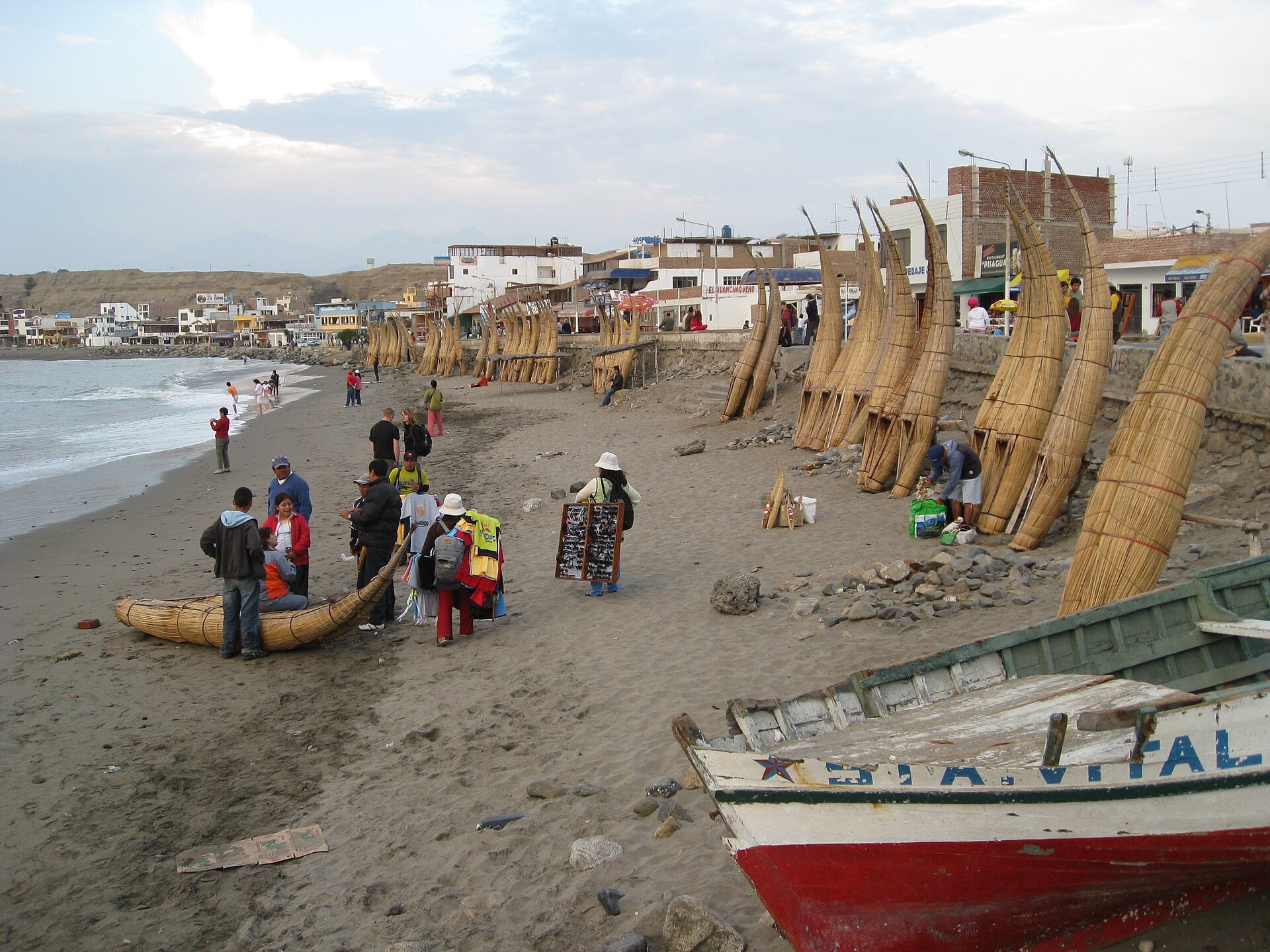
Namibia’s Pilchard Position
Namibia imposed a moratorium on directed pilchard fishing in 2018, after the stock collapsed from an estimated 11 million tonnes in the 1960s to well under 100,000 tonnes by the mid-2010s.
The blanket ban has not been formally revoked, but Cabinet approved a one-off precautionary quota of 10,000 tonnes in August 2025, awarded to Eco Fish Farms and processed by Etosha Fishing at Walvis Bay. Those were the first Namibian pilchard landings in eight years. As at June 2026 no further quota had been issued.
Recovery remains contested. A Norwegian survey commissioned by the ministry in 2024 estimated biomass at about one million tonnes, and fisheries minister Inge Zaamwani-Kamwi cited 850,000 tonnes in June 2025, while conservation scientists have urged caution. Recorded pilchard by-catch rose from 6,504 tonnes in 2023 to 12,610 tonnes in 2024 despite the ban.
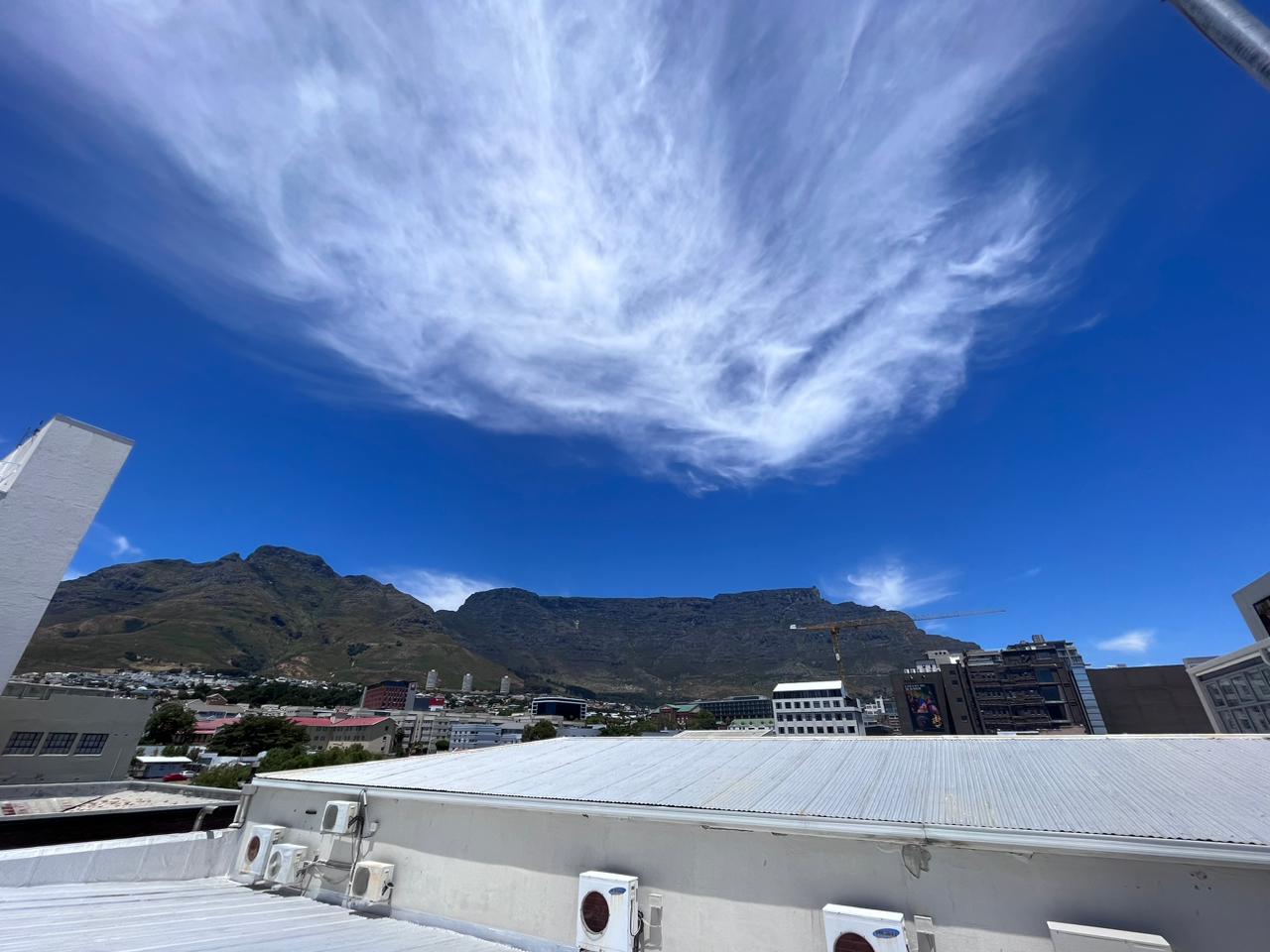
The Ecological Stake
Endangered African penguins depend on sardine and anchovy. BirdLife South Africa and WWF South Africa have raised the risk of starvation, and WWF has called for a moratorium that the industry opposes pending the hydroacoustic survey due in October and November.
That survey is the decision point. A precautionary catch limitation is a holding measure until there is a biomass estimate to set a catch against.
What to Watch
The Namibian laboratory results are the first thing. If the strandings match the South African virus, the die-off becomes a regional event rather than a South African one with Namibian edges.
The second is whether Namibia issues a further pilchard quota. A stock still recovering from collapse, in water where a sardine pathogen has been confirmed to the south, is a difficult case for resuming a directed fishery.
More: Africa news in English, every day from The Rio Times.
Frequently Asked Questions
What is PHV?
Pilchard herpesvirus, which damages sardine gills and impairs respiration. It caused mass mortalities in Australia in 1995 and 1998 to 1999.
Which country has restricted catches?
South Africa. Namibia has announced no restrictions.
How far does the die-off stretch?
About 2,600 kilometres between the outermost reported locations, from Henties Bay to the northern Wild Coast.
Are the Namibian deaths linked?
Not yet. Samples have been sent for testing and South Africa says no conclusive link can be made until comparisons are complete.
Is Namibia fishing pilchard?
A moratorium has been in place since 2018. A one-off 10,000-tonne quota was approved in August 2025; no further quota had been issued as at June 2026.
Is the virus dangerous to people?
South Africa’s department says PHV is not known to infect humans.
Sources: South African Department of Forestry, Fisheries and the Environment, SAnews, The Namibian, Namibian Sun, Mail & Guardian.
This article was produced by The Rio Times’ automated newsroom system. How we use AI · Report an error
Read More from The Rio Times