IBOV 185,188.13 ▼ 0.01% IPSA 11,315.26 ▼ 1.14% IPC MEX 65,473.16 ▲ 0.91% MERVAL 3,058,093 ▼ 1.55% COLCAP 2,534.46 ▲ 1.81% BVL PERÚ 59,719.97 ▲ 0.43% USD/BRL5.10▲ 0.17% USD/MXN16.90▼ 0.41% USD/CLP930.46▼ 0.76% USD/COP3,143▼ 0.83% USD/PEN3.35▼ 0.35% USD/ARS1,508▼ 0.17% USD/UYU40.23▲ 1.13% USD/PYG5,924▲ 2.31% USD/BOB12.30▲ 4.75% USD/DOP58.65▲ 0.17% USD/CRC447.49▲ 1.34% USD/GTQ7.63▲ 2.30% USD/HNL26.84▲ 1.66% USD/NIO36.62▲ 0.71% USD/VES805.37▲ 0.19% USD/PAB1.00— 0.00% USD/BZD2.00— 0.00% USD/JMD 157.28 — 0.00% USD/TTD6.65▲ 0.05% EUR/BRL5.93▼ 0.63% BRENT 88.88 ▼ 0.03% WTI 83.11 ▼ 0.11% IRON ORE 161.91 — — COPPER 6.61 ▲ 0.03% GOLD 4,461 ▲ 1.78% SILVER 65.59 ▲ 1.26% SOY 1,184 ▲ 3.20% CORN 480.50 ▲ 10.02% WHEAT 655.00 ▲ 3.93% COFFEE 317.25 ▼ 5.51% SUGAR 16.43 ▼ 1.79% ORANGE JUICE 138.55 ▼ 0.47% COTTON 85.03 ▲ 2.33% COCOA 5,719 ▲ 3.18% BEEF 223.60 ▼ 3.93% CATTLE 339.10 ▼ 3.16% LITHIUM 75.20 ▲ 1.47% PETR4 41.64 ▼ 0.05% VALE3 72.97 ▲ 0.83% ITUB4 38.60 ▼ 1.03% BBDC4 16.85 ▲ 0.36% ABEV3 14.89 ▼ 0.80% BBAS3 19.37 ▲ 0.47% B3SA3 14.26 ▼ 0.21% WEGE3 47.59 ▲ 0.49% PRIO3 59.14 ▼ 0.19% SUZB3 41.33 ▲ 2.35% RENT3 34.68 ▼ 0.09% AZZA3 15.89 ▼ 2.63% CSAN3 3.22 ▼ 1.83% RAIZ4 0.25 — 0.00% PCAR3 2.75 ▼ 0.36% GMAT3 3.65 ▼ 1.08% PSSA3 48.13 ▼ 0.54% CVCB3 1.33 ▼ 2.92% POSI3 3.36 ▲ 2.44% SLCE3 13.34 ▲ 0.30% NATU3 8.14 ▼ 0.73% IBOV 185,188.13 ▼ 0.01% IPSA 11,315.26 ▼ 1.14% IPC MEX 65,473.16 ▲ 0.91% MERVAL 3,058,093 ▼ 1.55% COLCAP 2,534.46 ▲ 1.81% BVL PERÚ 59,719.97 ▲ 0.43% USD/BRL 5.16 ▲ 0.01% USD/MXN 17.06 ▼ 0.24% USD/CLP 913.98 ▲ 0.04% USD/COP 3,140 ▲ 0.03% USD/PEN 3.36 ▼ 0.66% USD/ARS 1,493 ▲ 0.10% USD/UYU 40.27 ▲ 1.24% USD/PYG 5,939 ▲ 1.68% USD/BOB 11.64 ▼ 0.76% USD/DOP 58.34 ▲ 1.25% USD/CRC 445.92 ▲ 0.89% USD/GTQ 7.62 ▲ 2.21% USD/HNL 26.79 ▲ 1.57% USD/NIO 36.62 ▲ 0.69% USD/VES 762.44 ▼ 0.13% USD/PAB 1.00 — 0.00% USD/BZD 2.00 — 0.00% USD/JMD 157.28 — 0.00% USD/TTD 6.70 ▲ 0.61% EUR/BRL 5.95 ▲ 1.01% BRENT 88.88 ▼ 0.03% WTI 83.11 ▼ 0.11% IRON ORE 161.91 — — COPPER 6.61 ▲ 0.03% GOLD 4,461 ▲ 1.78% SILVER 65.59 ▲ 1.26% SOY 1,184 ▲ 3.20% CORN 480.50 ▲ 10.02% WHEAT 655.00 ▲ 3.93% COFFEE 317.25 ▼ 5.51% SUGAR 16.43 ▼ 1.79% ORANGE JUICE 138.55 ▼ 0.47% COTTON 85.03 ▲ 2.33% COCOA 5,719 ▲ 3.18% BEEF 223.60 ▼ 3.93% CATTLE 339.10 ▼ 3.16% LITHIUM 75.20 ▲ 1.47% PETR4 41.64 ▼ 0.05% VALE3 72.97 ▲ 0.83% ITUB4 38.60 ▼ 1.03% BBDC4 16.85 ▲ 0.36% ABEV3 14.89 ▼ 0.80% BBAS3 19.37 ▲ 0.47% B3SA3 14.26 ▼ 0.21% WEGE3 47.59 ▲ 0.49% PRIO3 59.14 ▼ 0.19% SUZB3 41.33 ▲ 2.35% RENT3 34.68 ▼ 0.09% AZZA3 15.89 ▼ 2.63% CSAN3 3.22 ▼ 1.83% RAIZ4 0.25 — 0.00% PCAR3 2.75 ▼ 0.36% GMAT3 3.65 ▼ 1.08% PSSA3 48.13 ▼ 0.54% CVCB3 1.33 ▼ 2.92% POSI3 3.36 ▲ 2.44% SLCE3 13.34 ▲ 0.30% NATU3 8.14 ▼ 0.73%
since 2009
Friday, September 4, 2026

Mapa Capital Steps In: Casas Bahia’s Debt Deal Signals New Era for Brazilian Retailer

By · July 1, 2025 · 3 min read

Daily Brief

The morning intel from across Latin America. Free.

By subscribing you agree to our privacy policy. We never share your email.

Casas Bahia, one of Brazil’s largest retailers, is undergoing a major financial transformation. In June 2025, the company confirmed that Mapa Capital will take over R$1.6 billion in company debt from Bradesco and Banco do Brasil.

Mapa Capital is a Brazilian private equity firm founded in 2013. It is managed by a team of experienced partners. This move is part of a larger plan to help Casas Bahia recover from heavy debts and stay competitive in a challenging market.

The heart of the deal is a debt-for-equity swap. Instead of paying back all its debt in cash, Casas Bahia will allow Mapa Capital to convert R$1.6 billion in debt into shares, making Mapa Capital the largest shareholder.

This shift gives Mapa Capital control over the company’s direction. The agreement includes rules that limit how quickly Mapa Capital can sell its new shares, which helps keep the stock price stable during the transition.

Casas Bahia’s total debt from its tenth debenture issue stands at R$4.55 billion. The first step is to address the R$1.6 billion that Mapa Capital is acquiring.
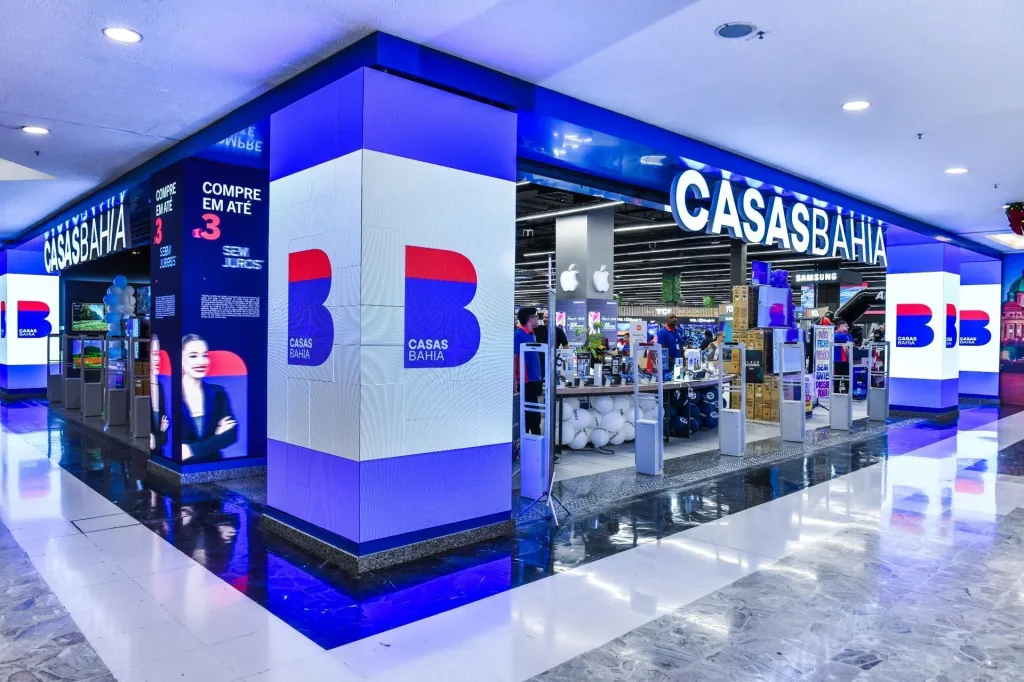
Mapa Capital Steps In: Casas Bahia’s Debt Deal Signals New Era for Brazilian Retailer
Mapa Capital Steps In: Casas Bahia’s Debt Deal Signals New Era for Brazilian Retailer. (Photo Internet reproduction)
One-stop reference
Company Intelligence
Every listed company in Latin America — financials, ownership and structure for 1,450+ companies across 26 exchanges, in one place.
Browse the directory →
RT
Ask Rio Times
Latin American markets, currencies and companies.
Open the full Ask Rio Times →

The company is also working with other lenders to delay some payments, making it easier to manage cash. If everything goes as planned, Casas Bahia expects to cut its debt by about a third and save R$230 million in interest payments each year.

The company also expects to improve its cash flow by R$400 million over two years. These figures are confirmed in official company statements and financial filings.

Casas Bahia Restructures Debt Amid Economic Struggles

This financial overhaul comes during a tough period for Brazilian retailers. High interest rates and weak consumer demand have made it difficult for companies like Casas Bahia to stay profitable.

The retailer has already pushed back the deadlines for paying back R$4.1 billion in other debts, stretching those payments over six years instead of less than two.

The management team, led by CEO Renato Franklin since 2023, has also closed some stores and cut costs to help turn things around. Mapa Capital specializes in helping companies that are struggling financially.

The firm is not owned by a single family or individual but is run by partners with backgrounds in banking, corporate finance, and business management.

Their involvement gives Casas Bahia a chance to recover and refocus on its core strengths. The banks benefit too, as they can remove risky debt from their balance sheets.

However, the deal also means existing shareholders, including longtime stakeholder Michael Klein, will see their shares diluted. Klein, who currently owns 11%, may end up with a smaller stake but could buy more shares in the future to regain influence.

This restructuring is more than just a financial maneuver. It is a survival strategy for a retailer under pressure from both local and global competitors. By swapping debt for equity, Casas Bahia reduces its financial burden and gains the flexibility to invest in its business.

The move could set an example for other companies in Brazil and beyond that are facing similar challenges. All information in this report comes from official company announcements and public financial filings.

This article was produced by The Rio Times’ automated newsroom system. How we use AI · Report an error

LatAm Markets: Live Signals → — real-time movers, turnover leaders and FX across Latin America.

Read More from The Rio Times

The Rio Times · Power Map
See who really holds power in Latin America
Click to open the Power Map

Rotate for Best Experience

This report is optimized for landscape viewing. Rotate your phone for the full experience.