Casas Bahia’s Q1 2025: Profitability Struggles Amid Operational Gains
Grupo Casas Bahia, a leading Brazilian retailer of electronics, appliances, and furniture, reported its Q1 2025 financial results, revealing a mix of...
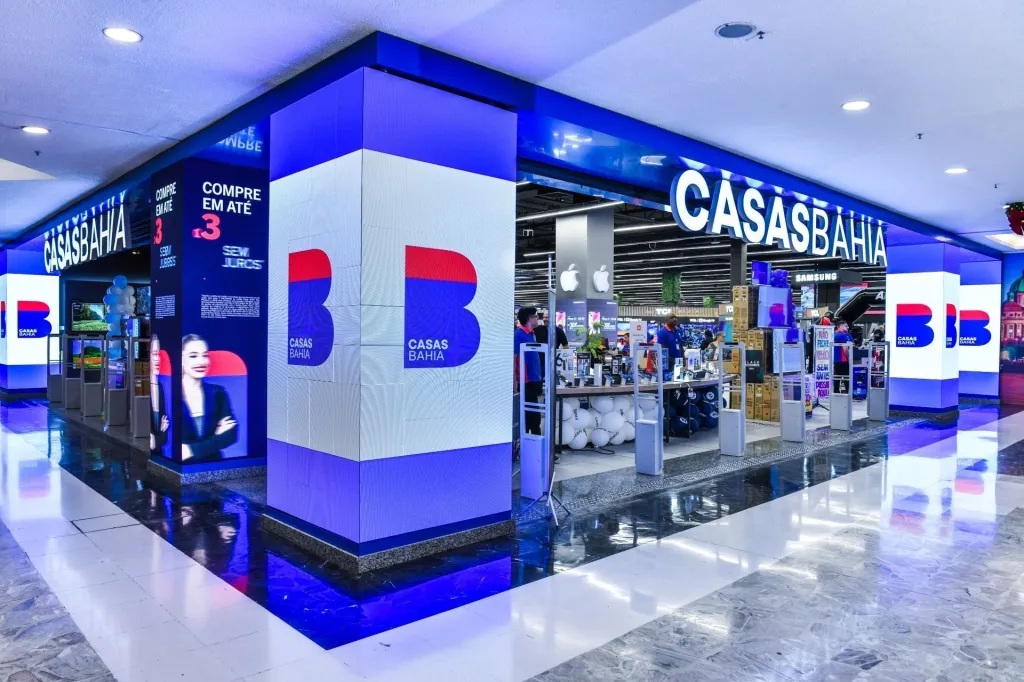
Grupo Casas Bahia, a leading Brazilian retailer of electronics, appliances, and furniture, reported its Q1 2025 financial results, revealing a mix of operational progress and persistent financial challenges.
The company disclosed these figures in its earnings report filed with the Brazilian Securities Commission on May 14, 2025. Despite revenue growth and improved margins, a sharp rise in net loss underscores the burden of high debt and interest rates.
The company posted a net loss of R$408 million ($71.6 million), a 56.3% increase from R$261 million ($45.8 million) in Q1 2024. Rising financial expenses, driven by Brazil’s Selic rate of 10.75%, pushed the net financial result to a negative R$922 million ($161.8 million), up 90% year-over-year.
However, net revenue climbed 10.1% to R$6.9 billion ($1.2 billion), fueled by strong physical store performance. Physical stores led growth, with sales up 15.8% and same-store sales rising 17%.
The marketplace segment also thrived, with revenue increasing 17.5%, reflecting successful third-party seller expansion. Yet, direct online sales fell 2.1%, as the company prioritized higher-margin products.

Adjusted EBITDA surged 47% to R$570 million ($100 million), lifting the EBITDA margin to 8.2% from 6.1%. Financial services revenue grew 18.4%, boosting margins through credit cards and insurance products.
Cost-cutting measures, including reduced administrative expenses, further supported profitability. Nevertheless, the company’s debt burden remains heavy, with net debt at R$12.83 billion ($2.25 billion).
The leverage ratio improved slightly to -0.9x from -1.2x, but the debt-to-equity ratio of 615.34% signals ongoing risk. A favorable tax ruling on May 14, 2025, allows Casas Bahia to recover R$632 million ($110.9 million) in ICMS-ST credits, enhancing liquidity.
This follows a 2024 debt restructuring that extended R$4.1 billion ($719.3 million) in obligations, easing short-term pressures. CEO Renato Franklin emphasized operational consistency, citing the Transformation Plan’s focus on core categories and credit offerings.
Brazil’s retail sector faces headwinds from high interest rates and fragile consumer confidence, limiting discretionary spending. Casas Bahia competes fiercely with Magazine Luiza and global e-commerce players, making its omnichannel strategy critical.
The company aims to expand financial services and marketplace growth while maintaining cost discipline. Despite operational gains, Casas Bahia’s path to profitability hinges on managing its debt and navigating economic challenges.
The tax credit and restructuring provide breathing room, but high leverage and interest costs remain formidable obstacles. Investors await Q2 results to gauge whether operational momentum can overcome financial strains, as the company strives for sustainable recovery.
This article was produced by The Rio Times’ automated newsroom system. How we use AI · Report an error · Editorial responsibility: Matthias Camenzind, Editor-in-Chief
LatAm Markets: Live Signals → — real-time movers, turnover leaders and FX across Latin America.