IBOV 183,476.86 ▼ 0.27% IPSA 11,256.80 ▼ 0.38% IPC MEX 64,992.23 ▲ 1.13% MERVAL 2,893,751 ▼ 1.57% COLCAP 2,584.72 ▼ 0.95% BVL PERÚ 59,934.37 ▲ 1.27% USD/BRL5.19▼ 0.12% USD/MXN17.68▼ 0.27% USD/CLP960.63▼ 0.27% USD/COP3,293▲ 0.20% USD/PEN3.39▼ 0.67% USD/ARS1,525▲ 0.30% USD/UYU40.21▲ 3.50% USD/PYG5,870▲ 2.23% USD/BOB12.17▲ 2.05% USD/DOP59.35▲ 0.25% USD/CRC450.87▲ 2.53% USD/GTQ7.64▲ 3.22% USD/HNL26.85▲ 0.31% USD/NIO36.62— 0.00% USD/VES853.52▼ 0.13% USD/PAB1.00— 0.00% USD/BZD2.00— 0.00% USD/JMD 157.28 — 0.00% USD/TTD6.77▲ 2.72% EUR/BRL5.91▲ 0.63% BRENT 88.88 ▼ 0.03% WTI 83.11 ▼ 0.11% IRON ORE 161.91 — — COPPER 6.61 ▲ 0.03% GOLD 4,461 ▲ 1.78% SILVER 65.59 ▲ 1.26% SOY 1,184 ▲ 3.20% CORN 480.50 ▲ 10.02% WHEAT 655.00 ▲ 3.93% COFFEE 317.25 ▼ 5.51% SUGAR 16.43 ▼ 1.79% ORANGE JUICE 138.55 ▼ 0.47% COTTON 85.03 ▲ 2.33% COCOA 5,719 ▲ 3.18% BEEF 223.60 ▼ 3.93% CATTLE 339.10 ▼ 3.16% LITHIUM 75.20 ▲ 1.47% PETR4 41.64 ▼ 0.05% VALE3 72.97 ▲ 0.83% ITUB4 38.60 ▼ 1.03% BBDC4 16.85 ▲ 0.36% ABEV3 14.89 ▼ 0.80% BBAS3 19.37 ▲ 0.47% B3SA3 14.26 ▼ 0.21% WEGE3 47.59 ▲ 0.49% PRIO3 59.14 ▼ 0.19% SUZB3 41.33 ▲ 2.35% RENT3 34.68 ▼ 0.09% AZZA3 15.89 ▼ 2.63% CSAN3 3.22 ▼ 1.83% RAIZ4 0.25 — 0.00% PCAR3 2.75 ▼ 0.36% GMAT3 3.65 ▼ 1.08% PSSA3 48.13 ▼ 0.54% CVCB3 1.33 ▼ 2.92% POSI3 3.36 ▲ 2.44% SLCE3 13.34 ▲ 0.30% NATU3 8.14 ▼ 0.73% IBOV 183,476.86 ▼ 0.27% IPSA 11,256.80 ▼ 0.38% IPC MEX 64,992.23 ▲ 1.13% MERVAL 2,893,751 ▼ 1.57% COLCAP 2,584.72 ▼ 0.95% BVL PERÚ 59,934.37 ▲ 1.27% USD/BRL 5.16 ▲ 0.01% USD/MXN 17.06 ▼ 0.24% USD/CLP 913.98 ▲ 0.04% USD/COP 3,140 ▲ 0.03% USD/PEN 3.36 ▼ 0.66% USD/ARS 1,493 ▲ 0.10% USD/UYU 40.27 ▲ 1.24% USD/PYG 5,939 ▲ 1.68% USD/BOB 11.64 ▼ 0.76% USD/DOP 58.34 ▲ 1.25% USD/CRC 445.92 ▲ 0.89% USD/GTQ 7.62 ▲ 2.21% USD/HNL 26.79 ▲ 1.57% USD/NIO 36.62 ▲ 0.69% USD/VES 762.44 ▼ 0.13% USD/PAB 1.00 — 0.00% USD/BZD 2.00 — 0.00% USD/JMD 157.28 — 0.00% USD/TTD 6.70 ▲ 0.61% EUR/BRL 5.95 ▲ 1.01% BRENT 88.88 ▼ 0.03% WTI 83.11 ▼ 0.11% IRON ORE 161.91 — — COPPER 6.61 ▲ 0.03% GOLD 4,461 ▲ 1.78% SILVER 65.59 ▲ 1.26% SOY 1,184 ▲ 3.20% CORN 480.50 ▲ 10.02% WHEAT 655.00 ▲ 3.93% COFFEE 317.25 ▼ 5.51% SUGAR 16.43 ▼ 1.79% ORANGE JUICE 138.55 ▼ 0.47% COTTON 85.03 ▲ 2.33% COCOA 5,719 ▲ 3.18% BEEF 223.60 ▼ 3.93% CATTLE 339.10 ▼ 3.16% LITHIUM 75.20 ▲ 1.47% PETR4 41.64 ▼ 0.05% VALE3 72.97 ▲ 0.83% ITUB4 38.60 ▼ 1.03% BBDC4 16.85 ▲ 0.36% ABEV3 14.89 ▼ 0.80% BBAS3 19.37 ▲ 0.47% B3SA3 14.26 ▼ 0.21% WEGE3 47.59 ▲ 0.49% PRIO3 59.14 ▼ 0.19% SUZB3 41.33 ▲ 2.35% RENT3 34.68 ▼ 0.09% AZZA3 15.89 ▼ 2.63% CSAN3 3.22 ▼ 1.83% RAIZ4 0.25 — 0.00% PCAR3 2.75 ▼ 0.36% GMAT3 3.65 ▼ 1.08% PSSA3 48.13 ▼ 0.54% CVCB3 1.33 ▼ 2.92% POSI3 3.36 ▲ 2.44% SLCE3 13.34 ▲ 0.30% NATU3 8.14 ▼ 0.73%
since 2009
Sunday, September 27, 2026

Malaysia’s Digital Clampdown Amid Global Censorship Concerns

By · August 8, 2024 · 3 min read

The LatAm Brief

One email, every weekday morning. What moved in Latin American markets, politics and expat life.

Yesterday’s subject line: “The US Army is quietly planning for Cuba”

Free. We send a confirmation link first — nothing arrives until you click it. Unsubscribe with one click in any edition. If you stop opening us for 30 days we stop sending by ourselves, as we assume the interest is no longer there. See our privacy policy. We never share your email.

The global landscape of internet freedom is under growing strain as numerous countries intensify their regulation of digital spaces.

This trend reflects a broader pattern of diminishing political rights. Civil liberties also decline worldwide.

Despite some nations protecting online freedoms, the trend remains concerning. In this context, Malaysia’s recent internet restrictions highlight shrinking online freedoms.

The Malaysian government has intensified its control over internet access, raising significant concerns about online freedom in the country.

This move follows growing tensions between Malaysian authorities and social media platforms, as the government seeks to enforce strict licensing regulations.
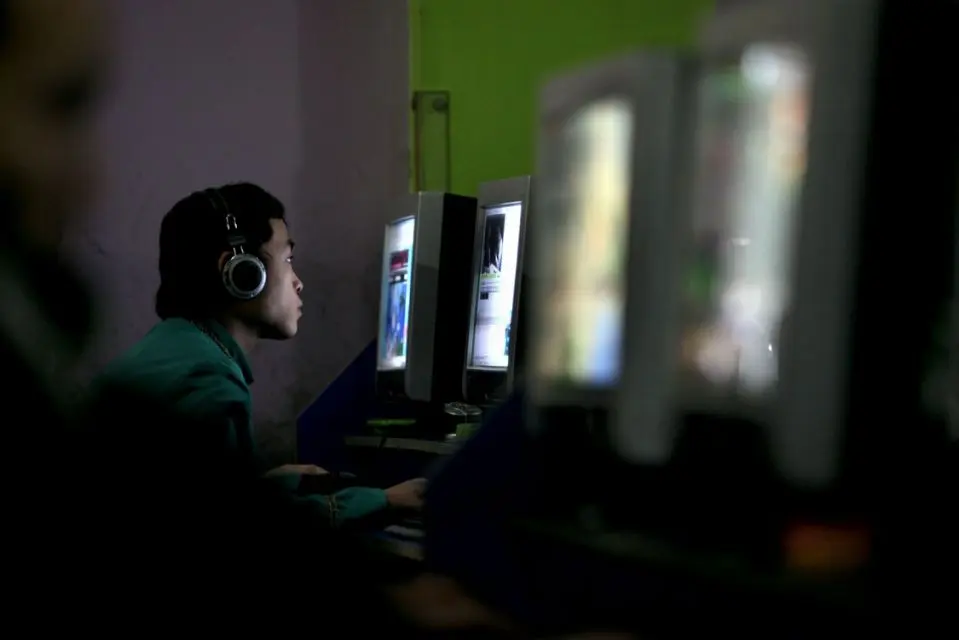
Malaysia's Digital Clampdown Amid Global Censorship Concerns.
Malaysia’s Digital Clampdown Amid Global Censorship Concerns.
One-stop reference
Company Intelligence
Every listed company in Latin America — financials, ownership and structure for 1,450+ companies across 26 exchanges, in one place.
Browse the directory →
RT
Ask Rio Times
17 years of Latin America reporting, on demand.
Open the full Ask Rio Times →

Recent Developments and Background

The controversy in Malaysia started when Prime Minister Anwar Ibrahim’s office criticized Meta.

This occurred after Meta removed a condolence message from the Prime Minister for Hamas leader Ismail Haniyeh, leading to a meeting with Meta representatives.

Although Meta apologized, the Internet Monitoring Action Project (iMAP) reported further developments.

Two Malaysian internet providers began blocking alternative DNS servers, such as those used in VPNs,

Instead, they redirected traffic through their own systems. This effectively blocked access to certain websites.

Previously, users bypassed their internet provider’s directory. They used publicly available DNS servers like Google or Cloudflare.

This allowed access to websites blocked by the Malaysian Communications and Multimedia Commission (MCMC).

However, the new restrictions made this impossible. Users now face connection timeout errors. They cannot access sites using alternative DNS settings.

Impact and Reactions

Tevanraj Elengoe, founder of DevMalaysia, criticized the move. He stated it compromised user privacy and security. It also slowed down internet service.

The government mandated social media platforms to register for an operating license. This applies to platforms with over 8 million Malaysian users.

They must comply by the end of the year. Otherwise, they face penalties. The government claims it combats child sexual abuse material. It also targets scams and cyberbullying. Critics argue it silences dissent.

Human rights lawyer Eric Paulsen described the DNS restrictions as concerning. He noted the lack of transparency in MCMC’s takedown requests.

Accountability remains a significant issue. He highlighted vague definitions of terms like hate speech. Fake news also lacks clear definitions.

Global Context: Online Freedom and Censorship

Malaysia’s situation reflects a global trend. Internet censorship increases worldwide. Online freedom declines.

Freedom House’s 2024 report highlights this. Global freedom declined for the 18th consecutive year. Political rights and civil liberties diminished in 52 countries.

Countries like North Korea, China, and Iran restrict internet access. They control information and silence dissent.

In contrast, some countries uphold online freedom. Zambia recently enacted a new Access to Information law.

Uganda committed to reducing internet costs significantly. This aims to improve accessibility.

Conclusion

Malaysia’s increased internet control raises concerns. This development impacts global online freedom. The government justifies these measures for community well-being.

They claim it ensures security. However, transparency issues remain. Potential misuse raises significant concerns.

As more countries adopt similar measures, online freedom faces challenges. Robust protections for digital rights become essential.

This article was produced by The Rio Times’ automated newsroom system. How we use AI · Report an error

Read More from The Rio Times

The Rio Times · Power Map
See who really holds power in Latin America
Click to open the Power Map →

Rotate for Best Experience

This report is optimized for landscape viewing. Rotate your phone for the full experience.