France in Turmoil
Published Monday, 26 October, 11:50 a.m. ET (4:50 p.m. Paris) · Source: President Macron’s remarks in Marseille, French government statements
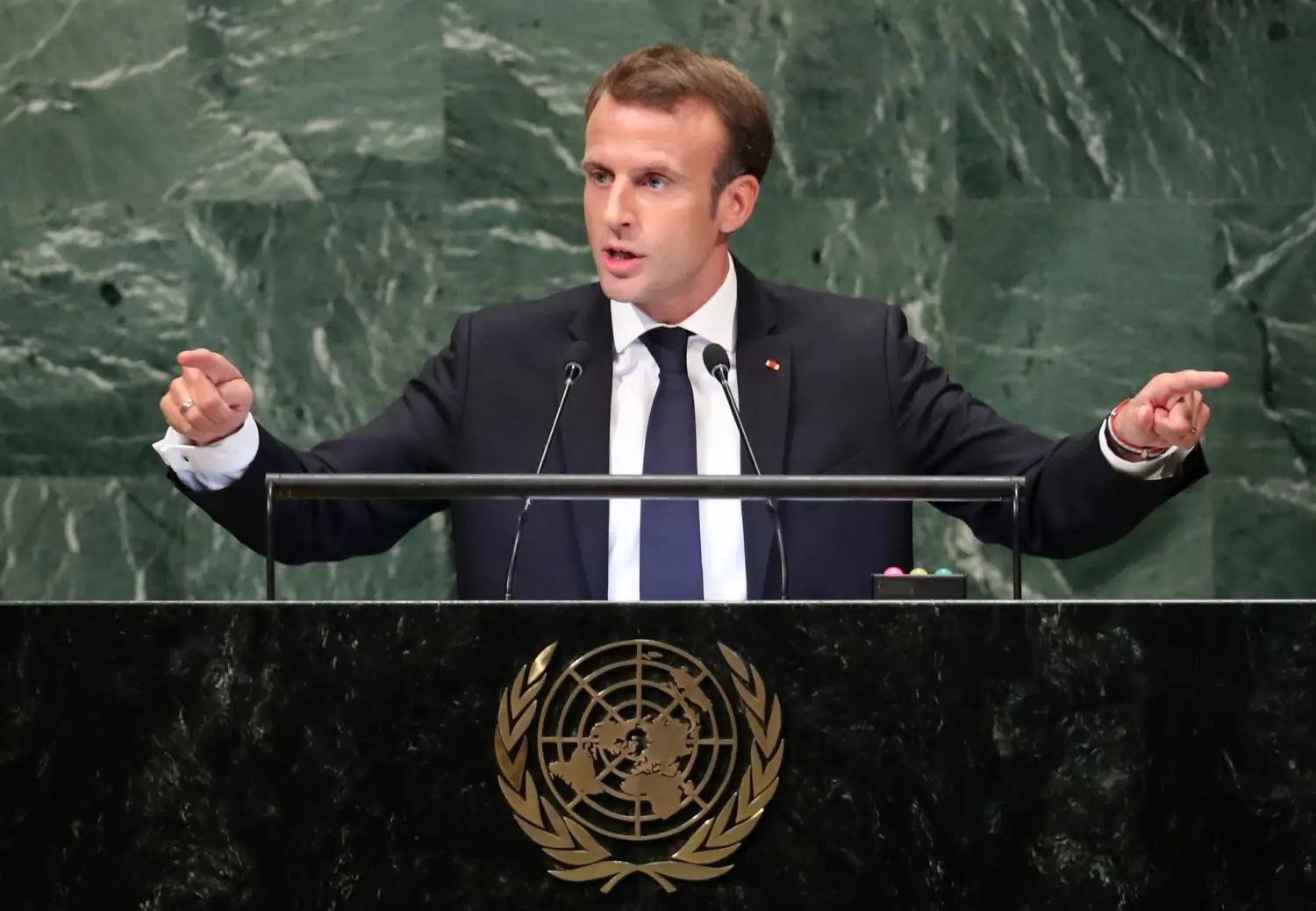
France has five days to prepare for another tense Saturday. President Emmanuel Macron stood in Marseille on Monday and told the country that Saturday, 31 October, will again be a risky day.
He also said that future marches will be kept out of city centres, a new line in the France protests that have shaken France since mid-October. The aim, he said, is to protect shops, town halls and people, as explained in our guide to why France is protesting.
Key Facts
- Warning: Macron says Saturday, 31 October, will again be a risky day for French protests.
- Rule change: Authorised marches will keep to routes outside city centres to protect shops and public buildings.
- Admission: He conceded police were too few on 17 October and the violence was not anticipated.
- Next: Yellow Vest (grassroots cost-of-living movement) rallies on 31 October and a national strike on Thursday, 5 November.
This story is part of our coverage of the why France is in crisis. Dates, times and how to follow it are in our guide.
In plain English
Since 17 October, cost-of-living marches have turned violent in several French cities. Macron’s message is that the next one could too, so the state will steer marchers away from shopping streets and keep police on guard.
Why Macron Is Moving the Marches
The weekend of 17 October was the shock. Cost-of-living protests drew about 550,000 people nationwide, according to Interior Minister Laurent Nuñez, the minister in charge of police, and in Marseille protesters forced their way into City Hall while shops were looted.
Macron said in Marseille that police were too few that day, “in Marseille as elsewhere”. “We had not anticipated what was going to happen,” he admitted.
A week later, on 24 October, marches were again steered away from the centres and security was stronger. Macron said preparation was better that day, and he wants the same arrangement to continue so protests stay calm.
He did not say how many cities the new routes will cover. The map for Saturday is likely to be settled locally over the coming days.
No State of Emergency, but No Taboo Either
Macron was careful about the strongest tool available. He said order is being kept today without a state of emergency, adding that such a step is not a taboo if conditions deteriorate.
The government also signalled that curfews will be kept where needed. It promised concrete answers to students and unions on university access and school buildings, and help for shopkeepers and towns that suffered damage.
The Calendar Ahead for Protesters
The Yellow Vests, the grassroots movement that began in 2018 over fuel taxes and now centres on living costs, have called new rallies and sit-ins for Saturday, 31 October. The next big test after that is Thursday, 5 November, when a united front of unions has called a national strike.
That front groups five of France’s main union federations: CFDT, CGT, Force Ouvrière, UNSA and FSU. Strike calls usually hit trains, schools and public offices hardest, which matters for anyone travelling.
What It Means for US Readers
For Americans in or heading to France this week, the practical effect is local: expect closed shopfronts, diverted routes and possible curfews in big cities, especially on 31 October and 5 November. Our guide to travelling in France tracks the latest travel and strike notices.
For markets and politics, the question is whether Macron’s government can calm the streets without the heavier tools it has so far avoided. Our look at whether the French government could collapse covers that risk.
What Is Not Known
The routes for 31 October have not been published, and no one can say how many people will turn up. Whether unions beyond those already committed will join Saturday is also open.
It is also unclear whether Saturday will repeat the violence of 17 October or the calmer picture of 24 October. Curfew rules differ by town and can change at short notice.
Frequently Asked Questions
What did Macron say about Saturday’s protests in France?
On Monday, 26 October, in Marseille, President Macron said Saturday, 31 October, will again be a risky day. He said authorised marches will follow routes outside city centres so protests stay calm.
Is France under a state of emergency?
No. Macron said on 26 October that order is being kept without a state of emergency, though he added that it is not a taboo if the situation worsens.
Sources
President Macron’s remarks in Marseille (26 October 2026), Élysée Palace (the presidency) and the French government, plus union calls for the 5 November strike.
Editorial responsibility: Matthias Camenzind, Editor-in-Chief · Editorial standards · Report an error