Brazil’s Lula to Skip Peru and Colombia Inaugurations
Brazil · Politics
Key Facts
—Planalto confirmation. The Brazilian presidency said Lula’s attendance is not currently scheduled for either ceremony.
—Peru representation. Foreign Minister Mauro Vieira will represent Brazil at Keiko Fujimori’s July 28 inauguration in Lima.
—Colombia representation. No Brazilian representative has yet been confirmed for Abelardo de la Espriella’s August 7 inauguration.
—Domestic focus. The government is prioritizing Brazil’s internal agenda with the election season approaching.
—Diplomatic outreach. Lula has congratulated both winners and stressed bilateral ties transcend ideologies.
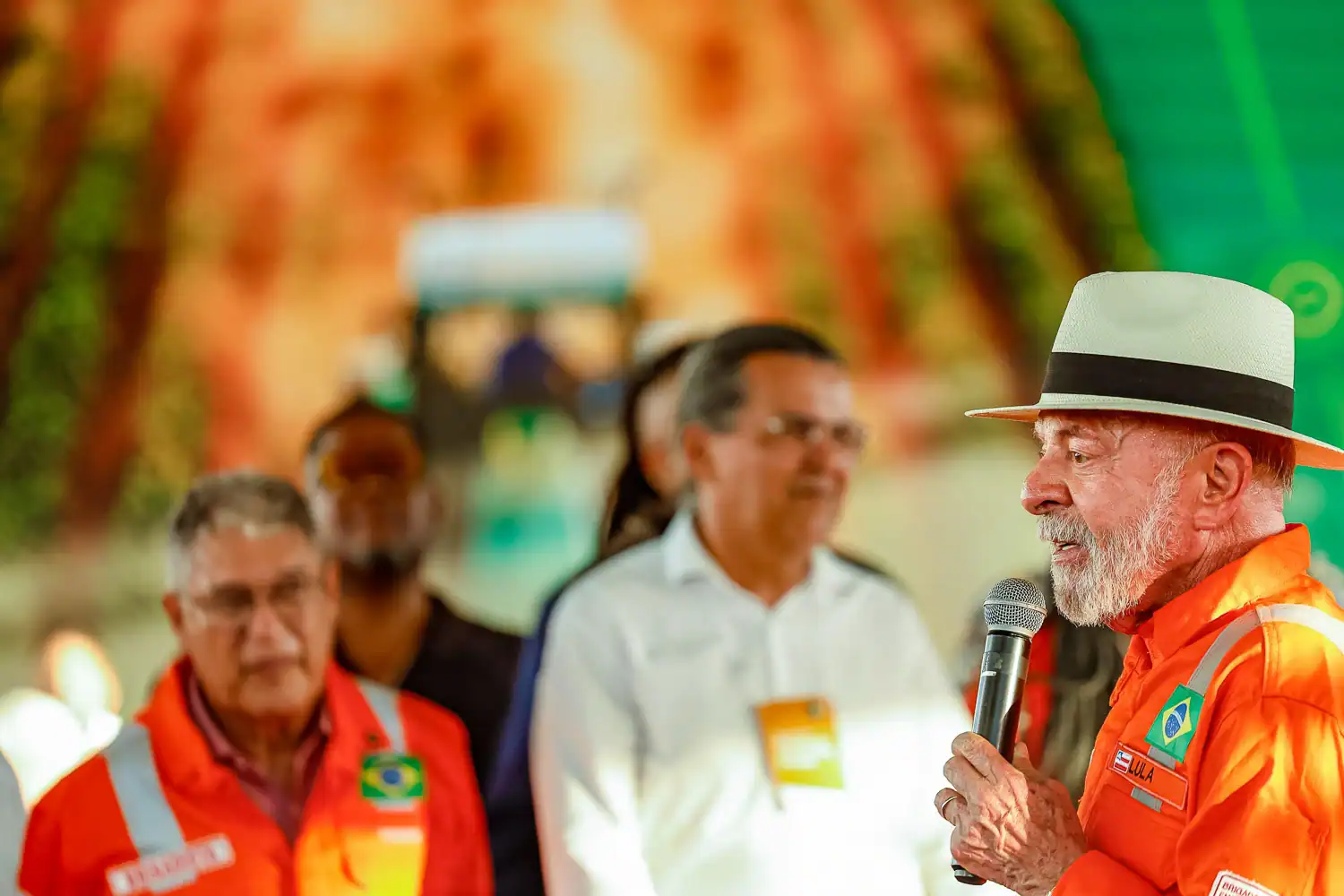
Lula inaugurations in Peru and Colombia will not include the Brazilian president, as the Planalto Palace confirmed his attendance is not currently scheduled for either ceremony.
Official Word from the Planalto
A Planalto source told Spanish news agency EFE that “for now, his attendance is not planned” at either event. Brazilian daily Folha de S.Paulo, citing presidential interlocutors, reported that Lula currently has no scheduled international trips.
With Brazil’s election season approaching, the government is concentrating on the country’s internal agenda rather than international travel. This domestic pivot is a common move for leaders facing upcoming electoral cycles, where being seen at home addressing local issues often outweighs diplomatic travel.
For a foreign reader, the term “Planalto Palace” refers to the official workplace of the Brazilian president, much like the White House in the United States. When the Planalto speaks on scheduling matters, it carries the full weight of the presidency’s institutional position, not merely a spokesperson’s offhand remark.
Who Will Represent Brazil
For the Peruvian ceremony, Brazil’s Foreign Minister Mauro Vieira will represent the country when Keiko Fujimori takes office in Lima on Tuesday, July 28. Fujimori, the daughter of former President Alberto Fujimori, leads the right-wing Popular Force party and returns to the political forefront after narrowly losing previous presidential runoffs.
As for the Colombian inauguration of Abelardo de la Espriella, scheduled for August 7, no Brazilian representative had been confirmed as of the latest reports. De la Espriella, a conservative lawyer and political figure, marks a sharp turn from the outgoing leftist administration of Gustavo Petro, who had been a close regional ally of Lula.
In diplomatic practice, sending a foreign minister rather than a head of state is a well-understood signal. It keeps the relationship functioning at a professional, ministry-to-ministry level while withholding the symbolic warmth of a presidential embrace. For Brazil, this calibrated step allows it to honor protocol without suggesting ideological endorsement.
A Shifting Regional Landscape
The right-wing victories in Peru and Colombia leave Brazil as the only major South American nation governed by a left-wing president. This reduces the ideological alignment Lula shared with outgoing Colombian President Gustavo Petro, who was a key partner on progressive regional initiatives.
Despite the political shift, Lula has already congratulated both winners. Regarding Colombia, he stressed that bilateral relations “transcend ideologies” and remain vital for shared challenges like protecting the Amazon and fighting organized crime.
This regional realignment matters because South American presidents often lean on personal chemistry to fast-track cross-border projects. When ideological camps diverge, cooperation tends to move from the presidential palace to slower, more bureaucratic channels. The Amazon, which spans multiple borders, is a prime example of an issue that requires constant high-level coordination regardless of who holds power in each capital.
Lula Inaugurations: A Diplomatic Signal
Sending the foreign minister rather than attending personally signals a pragmatic approach to the new right-wing governments in the region. The move focuses diplomatic engagement on institutional channels rather than personal presidential rapport.
The Planalto Palace gave no further details on the decision-making process, sticking to the factual statement that the president’s travel is simply not on the current schedule. For foreign readers, this kind of calibrated distance is a standard diplomatic tool, allowing Brazil to maintain functional ties without endorsing a new government’s ideology.
It is also worth understanding that presidential travel in a continent-sized nation like Brazil is a major logistical and political undertaking. Every trip abroad invites domestic criticism about costs and priorities, especially when voters are focused on inflation, jobs, and public services at home.
What It Means for Expats and Investors
For the large community of expats and investors with ties to Brazil, the diplomatic cooling does not signal an immediate rupture in trade or cooperation. Brazil’s institutional relationship with both nations remains intact through established channels like Mercosur and bilateral trade agreements.
However, the shift from ideological alignment to pragmatic coexistence could slow down ambitious cross-border projects that relied on presidential chemistry, such as joint Amazon conservation funds or integrated infrastructure plans. Investors in sectors like energy, agriculture, and logistics should monitor whether technical-level cooperation continues smoothly despite the change in political tone at the top.
Mercosur, the South American trade bloc, provides a useful buffer in moments like this. Because trade rules and dispute mechanisms are already codified, a change in presidential rapport does not automatically rewrite the economic playbook. Still, the pace of new negotiations can be affected when leaders are not personally invested in driving them forward.
What Happens Next
As the July 28 and August 7 ceremonies approach, all eyes will be on whether Brazil names a representative for the Colombian event and how the new presidents respond to Lula’s absence. Early diplomatic exchanges, including Lula’s congratulatory messages, suggest both sides are eager to keep relations steady.
The real test will come in the months after the inaugurations, when concrete bilateral issues like border security, trade tariffs, and environmental cooperation require high-level attention. For now, Brazil appears to be buying time, keeping its options open while it navigates its own political calendar.
One open question is whether the new Colombian government will seek an early bilateral meeting to reset the tone, or whether it will prioritize ties with other partners first. Similarly, observers will watch whether Peru’s Fujimori interprets the foreign minister’s presence as sufficient or as a subtle snub that colors early cooperation on shared Amazon basin challenges.
More: Brazil news in English, every day from The Rio Times.
Frequently Asked Questions
Will President Lula attend the Peru inauguration?
No. The Planalto Palace confirmed his attendance is not scheduled. Foreign Minister Mauro Vieira will represent Brazil instead at the July 28 ceremony in Lima, ensuring that diplomatic protocol is maintained even without the president’s personal presence.
Who will represent Brazil at the Colombia inauguration?
As of the latest reports, no official representative has been confirmed for the August 7 ceremony in Bogotá. The government is expected to announce a delegation closer to the date, which could range from the foreign minister to a senior diplomat.
Why is Lula skipping these inaugurations?
Brazilian media report the government is prioritizing domestic politics with the election season approaching, and Lula currently has no international trips planned. The right-wing shift in both countries also reduces the ideological affinity that previously made such visits more natural for the leftist Brazilian leader.
Connected Coverage
Brazil Electoral Court Keeps 2022 Spending Caps for 2026 Vote
Brazil Senator Tereza Cristina Rejects VP Slot, Splits Right
Sources: Planalto Palace; Spanish news agency EFE; Brazilian daily Folha de S.Paulo.
This article was produced by The Rio Times’ automated newsroom system. How we use AI · Report an error · Editorial responsibility: Matthias Camenzind, Editor-in-Chief