Why a Quiet Dinner Between Lula and Alcolumbre Matters for Brazil
Brazil · Politics
Key Facts
- —The thaw Lula and Senate President Davi Alcolumbre resumed direct contact in early August after more than three months of estrangement.
- —The dinner They met on August 4 at Justice Alexandre de Moraes’s home in Brasília, in a three-hour meeting brokered by lawyer Cristiano Zanin.
- —A follow-up A second meeting followed on August 12 at the Palácio da Alvorada, with the government calling relations ‘reconstructed’.
- —What is at stake Bills on the workweek, public security and rare earths had been stuck; the thaw could get them moving.
- —A caveat Reports frame this as rebuilding trust, not a finished breakthrough; a possible Supreme Court nomination stays mere speculation.
After three frozen months, the president and the man who controls the Senate are talking again. And the whole government’s to-do list hangs on it.
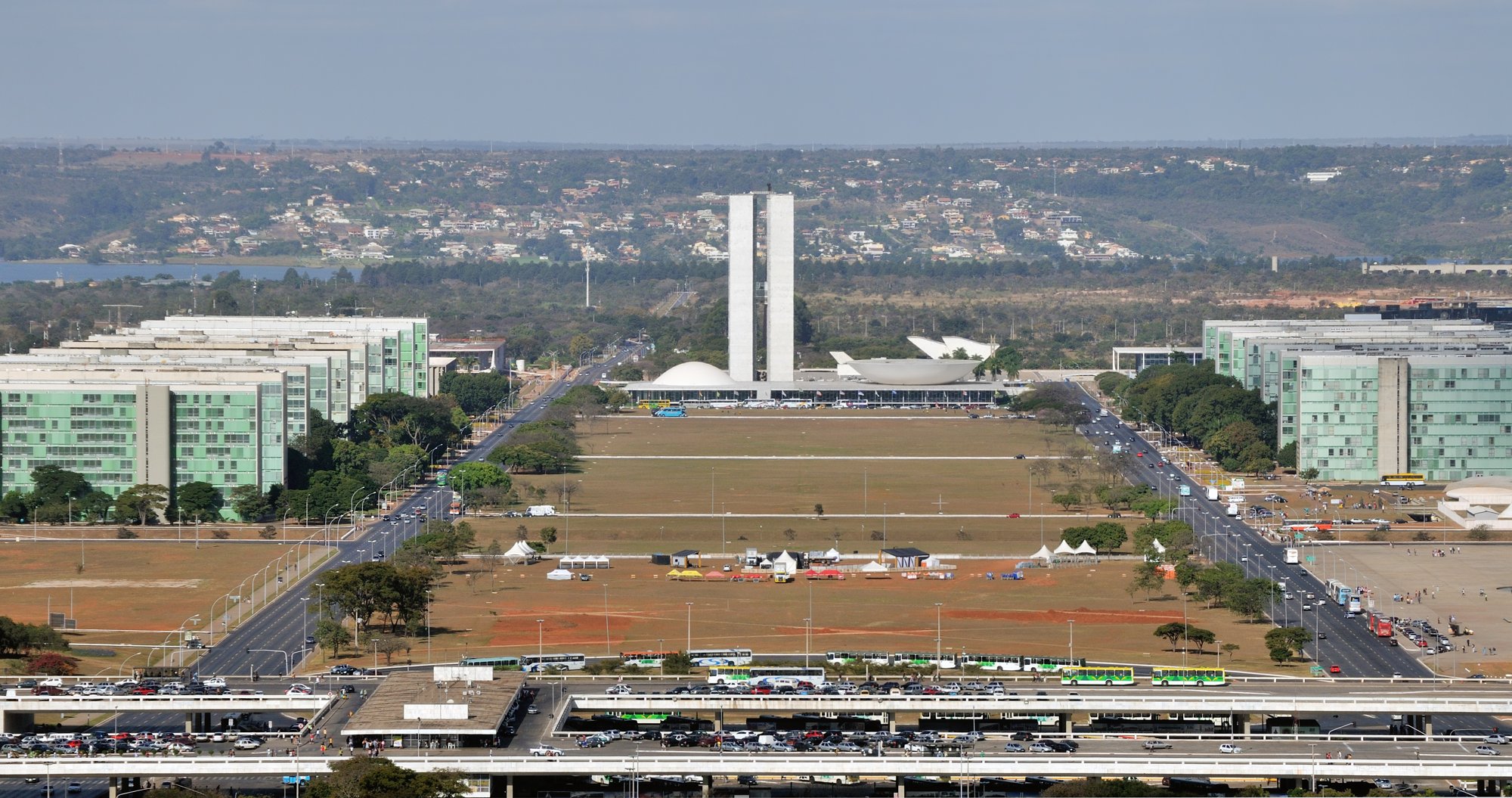
Lula and Alcolumbre, Brazil’s president and the man who runs the Senate. In Brasília, the most important political news of the week was a dinner.
Sat down together on August 4 after months of icy silence. For a government whose agenda had stalled, that meal mattered more than any speech.
The man who can freeze a president
To understand why this matters, you need to know what Davi Alcolumbre does. As president of the Senate, he decides which bills reach the floor and when.
That makes him one of the most powerful people in the country. A president with grand plans still needs Alcolumbre to let those plans be voted on.
For more than three months, that door was effectively shut. Relations between the two men had soured, and Lula’s priorities piled up behind it.
The freeze had real consequences beyond hurt feelings. It slowed the ordinary business of passing laws to a crawl.
A dinner at a very particular address
The reconciliation did not happen in a palace or on live television. It happened over a three-hour dinner at the home of Supreme Court Justice Alexandre de Moraes.
The setting says a lot. Moraes and the lawyer Cristiano Zanin acted as brokers, quietly steering two proud figures back into the same room.
By August 12, the two had met again, this time at the Palácio da Alvorada, the president’s residence. The government’s leader in Congress, José Guimarães, said the relationship was being ‘reconstructed’.
The go-betweens tell the story
The choice of brokers is itself revealing. Cristiano Zanin was long Lula’s personal lawyer before rising to the top of government.
Alexandre de Moraes, meanwhile, is among the most influential justices on the Supreme Court, a man both sides need onside. When figures of that weight host the peace talks, it signals how serious the freeze had become.
This was not a casual catch-up.
Why Lula and Alcolumbre fell out
Personal chemistry aside, the freeze had a cost measured in stalled laws. When the Senate president and the president stop talking, the machinery of government grinds.
Analysts who watched the thaw noted it was driven as much by electoral calculation as by any single bill. In an election year, both men have reasons to look effective.
Whatever the motive, the effect is the same. Dialogue is the raw material of governing, and for three months there had been almost none.
A first attempt to patch things up was reported around August 10, when officials said a new meeting was expected within days. It duly arrived.
The bills waiting in the queue
Behind the handshake sits a concrete pile of unfinished business. Several of Lula’s signature measures had been left in limbo.
One is the PEC 6×1, a proposal to end the traditional six-day workweek, which touches millions of workers directly. Another is the PEC da Segurança Pública, a security overhaul.
Alongside a bill on rare earths, the minerals prized for electronics and defence. There is also the measure ending the so-called ‘taxa das blusinhas’.
A 20% tax on small international online purchases that irritates shoppers and retailers alike. The rare-earths bill is quietly strategic.
These minerals feed everything from electric cars to defence gear, and Brazil holds some of the world’s largest reserves.
The Supreme Court subplot
Every thaw in Brasília spawns speculation, and this one revived a familiar name: Jorge Messias. Whom Lula has been keen to place on the Supreme Court.
Here, caution is warranted. One detailed account says the first dinner did not even discuss renominating him.
Most reporting suggests any such decision would wait until after October’s elections. For now, the Messias angle is a rumour with legs, not a done deal.
Rapprochement is not the same as victory
It is tempting to declare the agenda ‘unblocked’. The reporting is more careful, and so should we be.
What has happened is that two rivals started talking again. That is a necessary first step, not the finish line.
Concrete legislative movement, the actual votes, still has to follow. A warm dinner opens the door; it does not walk the bills through it.
Governing in an election year
The timing sharpens everything. This is a national election year, and every gesture is read for its political charge.
A functioning relationship with the Senate lets Lula point to results before voters go to the polls. A frozen one leaves him looking stuck.
For Alcolumbre, being the dealmaker who restarts the agenda carries its own rewards. Cooperation, for now, suits them both.
Voters rarely follow the details of a Senate calendar. But they do notice whether a government looks capable of getting things done.
What to watch next
The test will come quickly and quietly, in the Senate’s calendar. Watch whether the stalled bills actually get scheduled for votes.
If they move, the dinner will look like a turning point. If they stall again, it will look like a photo opportunity.
Either way, the lesson holds: in Brazil, big change often starts with two people agreeing to sit at the same table. The ‘taxa das blusinhas’ fight is a useful barometer.
It is small enough to pass quickly, yet visible enough that ordinary shoppers would feel the result.
Background: Brazil Tax Reform Timeline: Tech Sector Faces 2026 Invoice Shock.
Background: our brazil renewable energy guide.
More: Brazil news, every day from The Rio Times.
Frequently Asked Questions
Who is Davi Alcolumbre?
He is the president of Brazil’s Senate, which gives him control over which bills reach a vote. That makes him central to any government’s plans.
Why did the relationship with Lula matter so much?
Without the Senate president’s cooperation, the government’s bills can stall indefinitely. Their three-month freeze had left key measures stuck.
Does this mean Lula’s agenda is now unblocked?
Not yet. Reports describe rebuilt dialogue, not a finished breakthrough.
What is the Jorge Messias angle?
Messias is a figure Lula has wanted to place on the Supreme Court. The thaw revived speculation, but the first meeting reportedly did not discuss it.
Why now?
Analysts say election-year politics played a big role. Both men benefit from looking effective before October’s vote.
Sources: Valor Econômico; Folha de S.Paulo; O Globo; Terra.
This article was drafted with automated assistance and reviewed before publication. How we use AI · Report an error
Read More from The Rio Times