Liberia’s National Port Authority (NPA) announced on Monday 16 November 2026 that importers will not pay storage and demurrage charges for 30 days on containers already at the Freeport of Monrovia, the country’s main seaport, according to Smart News Liberia, a Monrovia news outlet. Demurrage is the daily fee a shipping line or terminal charges when a container stays beyond its free time.
The NPA also said it will suspend two surcharges on vessel movements and run the port 24 hours a day, as described in the outlet’s editorial of 17 November 2026, which is our only source for the announcement. The outlet’s editorial notes that Liberia depends heavily on imported rice, fuel and building materials, so delays at this port can reach shop prices.
Key Facts
- What. NPA reportedly announced a 30-day waiver of storage and demurrage fees on containers already at the port.
- Also. Extra fees of 30% and 100% on vessel movements are suspended; port work goes 24 hours.
- Who. NPA Managing Director Sekou Dukuly’s agency announced it after a meeting chaired by the Finance Minister.
- Baseline. A July 2026 study found imports wait an average of nearly 13 days to leave the port.
- As of 18 November 2026, 14:00 GMT.
The relief covers cargo already at the port, so it eases a backlog rather than ending its causes. The outlet’s editorial presses for clear rules on who qualifies.
What the Port Authority Announced
The measures were announced on 16 November after a high-level meeting that included Finance Minister Augustine Kpehe Ngafuan, Commerce Minister Stephen Yekeson, Liberia Revenue Authority (LRA) Commissioner General Dorbor Jallah, the police and private-sector representatives, Smart News Liberia says. The Liberia Revenue Authority is the country’s tax and customs agency, and the waiver covers storage and demurrage on containers already at the port.
The outlet says the NPA also suspended extra charges of 30% and 100% on vessel movements and ordered unauthorised fees ended. Its editorial asks the NPA and APM Terminals, the port’s container terminal operator, to publish clear conditions for who qualifies for the waiver.
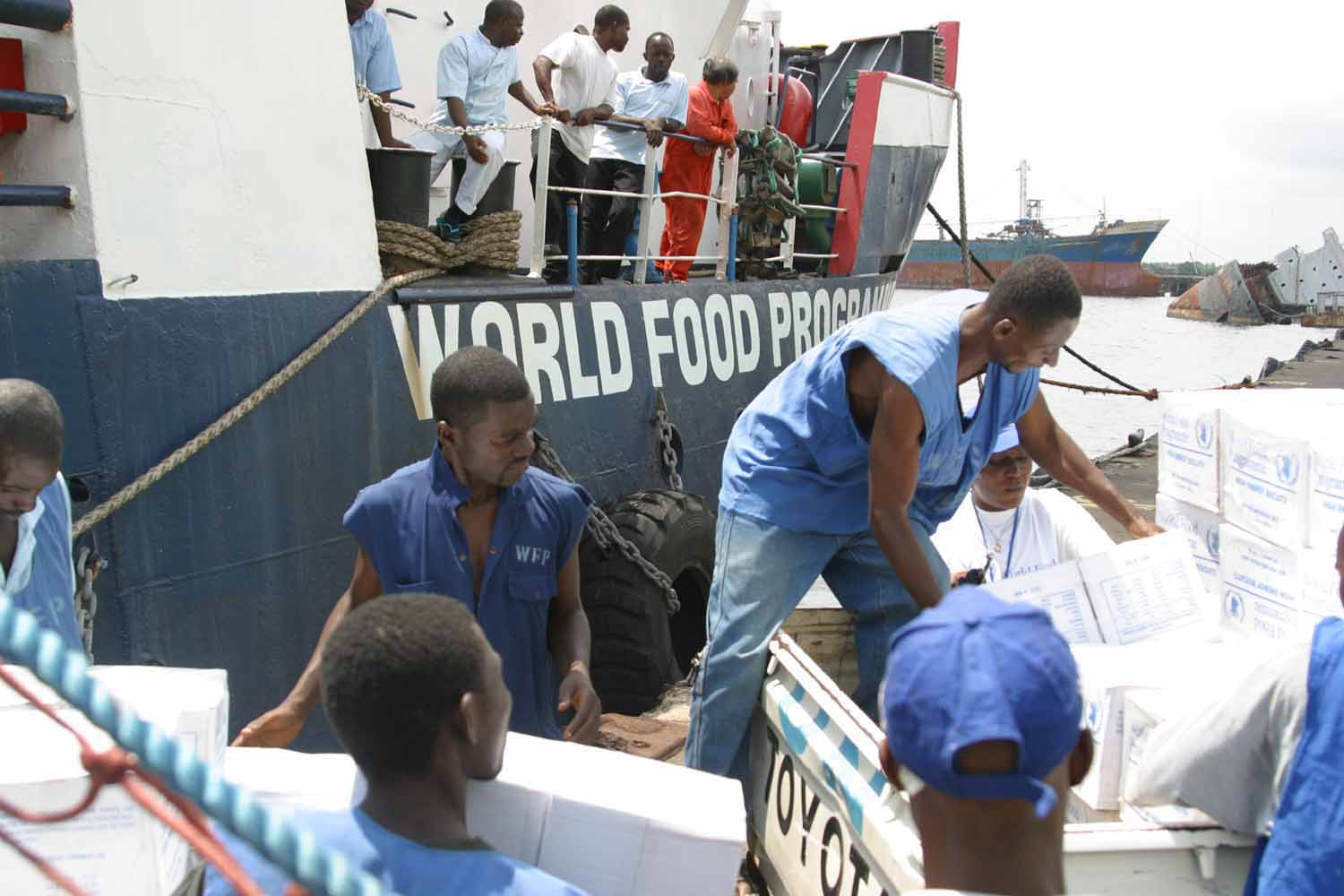
How Slow Is the Freeport?
A National Time Release Study, a measurement of how long cargo takes to leave the port, launched on Monday 13 July 2026 at the Liberia Chamber of Commerce, a business association in Monrovia measured how long imported cargo takes to leave the port. It found an average of 12 days, 19 hours and 42 minutes across 670 import declarations, Smart News Liberia reported at the time.
Against that baseline of nearly 13 days, a 30-day waiver covers more than twice the average wait. It is meant to stop daily charges adding up on containers that were already delayed.
The Inspection Facility Still to Be Confirmed
On Friday 27 February 2026, Jallah led lawmakers and cabinet officials around a Destination Inspection facility under construction at the Freeport, according to a report by The Liberian Investigator, a Monrovia outlet carried by the allAfrica news aggregator, citing the LRA. Destination inspection means cargo is checked on arrival in Liberia rather than at the foreign port of loading.
The project’s implementer, MTS Inspection Services, a company set up to carry out the inspection agreement, said the facility was expected to be completed in August 2026, and the report says the finished site will have a complete scanning system. We have not found a public notice that the facility has opened, and the LRA has not published a date for scanning to start.
Why It Matters
Demurrage and storage are daily charges, so every extra day in the yard raises the bill that importers may pass on to customers. A waiver cuts that cost for cargo already stranded, while the July study measured an average wait of nearly 13 days.
The Smart News Liberia editorial asks the NPA to say how much of the congestion came from importers and how much from weaknesses in the port system. The editorial also asks the authority to publish a full list of approved charges so businesses can tell legitimate payments from unauthorised ones.
What Is Not Known
The NPA has not published, in the sources we could find, the start date of the 30-day waiver or the rules for which containers qualify. We also found no official figure for how many containers are waiting at the Freeport.
What It Means for You
For a US reader tracking West African trade, Liberia depends heavily on imported rice, fuel and construction materials, so port costs can feed into local prices. The next markers are the end of the 30-day waiver, which would fall around mid-December if counted from 16 November, and any notice that scanning has started.
Our Liberia explainer sets out the economy behind the port. Our report on the 12% reserve rule for US dollar deposits covers another cost pressure on Liberian businesses.
Frequently Asked Questions
What is demurrage?
Demurrage is a daily charge when a container stays at a port or terminal beyond the free time allowed. According to Smart News Liberia, the NPA will waive it for 30 days on containers already at the Freeport.
What did the NPA announce on 16 November 2026?
According to Smart News Liberia’s editorial, the NPA announced a 30-day waiver of storage and demurrage charges, suspension of extra fees on vessel movements and 24-hour port operations. The announcement followed a meeting chaired by the Finance Minister.
How long do imports take to clear in Liberia?
A National Time Release Study, a measurement of how long cargo takes to leave the port, launched in July 2026 found an average of 12 days, 19 hours and 42 minutes at the Freeport. It covered 670 import declarations.
Is the new scanning facility open?
We have not found confirmation. In February 2026 its implementer said it would be finished by August.
Sources: Smart News Liberia, 17 November 2026; Smart News Liberia, 13 July 2026; allAfrica, LRA account of the 27 February 2026 tour.
This article was produced by The Rio Times’ automated AI newsroom. Editorial responsibility: Matthias Camenzind, Publisher and Editor-in-Chief. The Rio Times also runs Ask Rio Times, which answers from 100,000+ of our own articles, the daily Latin America Power Map, and prediction-market odds on elections and markets.. How we use AI · Report an error