Lava Jato Court Sentences Three Over Petrobras Bid-Rigging

Brazil · Politics
Key Facts
—Defendants sentenced. Three executives received prison terms ranging from 12 to 14 years for active corruption and money laundering.
—Heaviest penalty. Jesús de Oliveira Ferreira Filho was sentenced to 14 years, 7 months, and 15 days in prison.
—Case origin. The convictions stem from a residual Lava Jato investigation into a cartel that rigged Petrobras contracts between 2004 and 2014.
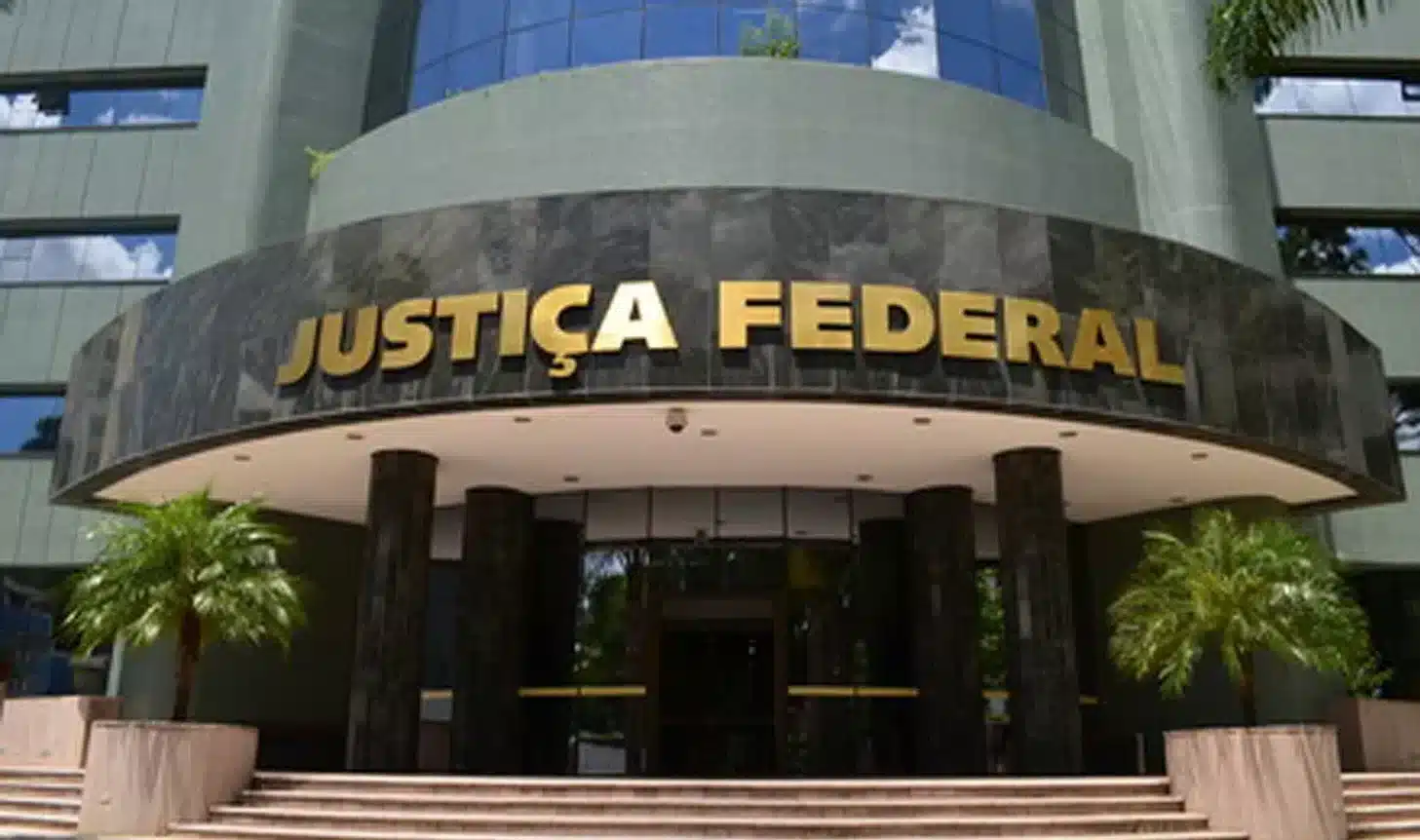
—Court. The ruling was issued by the 13th Federal Criminal Court of Curitiba on June 5, 2026.
—Appeal status. The decision is a first-instance conviction and remains subject to appeal before higher courts.
A federal judge in Curitiba has sentenced three men to prison in a residual Lava Jato case, finding them guilty of active corruption and money laundering in a long-running bid-rigging scheme that defrauded Brazil’s state-controlled oil giant Petrobras.
Who Was Sentenced and for What
Jesús de Oliveira Ferreira Filho received the heaviest sentence: 14 years, 7 months, and 15 days in prison. The court convicted him of active corruption and money laundering tied to fraudulent Petrobras contracts.
Ricardo Teixeira Fontes was sentenced to 13 years, 10 months, and 15 days on the same charges. Carlos Maurício Lima de Paula Barros received 12 years, 2 months, and 7 days.
The three men were part of a group of six executives and financial operators originally targeted in this specific residual case. The court found they participated in a sophisticated cartel that systematically overcharged Petrobras, the company formally known as Petróleo Brasileiro S.A., for major infrastructure and services contracts.
Active corruption, under Brazilian law, means offering or promising an undue advantage to a public official. Money laundering charges here relate to the financial maneuvers used to hide and move the illicit proceeds generated by the inflated contracts.
What the Lava Jato Case Uncovered
The ruling, handed down on June 5, 2026, by the 13th Federal Criminal Court of Curitiba, targeted six executives and financial operators. The broader investigation described a cartel of construction firms that distributed bribes to former Petrobras directors and politicians.
The scheme operated between 2004 and 2014. Companies colluded to rig bids for contracts with Petrobras, the state-controlled oil company formally known as Petróleo Brasileiro S.A., and funnelled kickbacks to secure inflated deals.
The cartel’s method was simple but devastatingly effective. A closed group of Brazil’s largest construction firms would meet in secret before public tenders to decide who would win each contract, artificially inflating the price by up to 20 percent.
The extra money was then siphoned off through a network of shell companies and intermediaries. A portion went directly to corrupt Petrobras executives as bribes, while another stream was funneled as illegal campaign contributions to political parties, making the scandal both a corporate and a political earthquake.
Live Company IntelligencePetróleo Brasileiro S.A. – Petrobras — the full investor dossier
Valuation & profitability
Price & risk
$29.6452-wk high
$55.36
Revenue trend · 6y
Ownership
Dividend
A Short Explainer: What Is Lava Jato?
Operation Car Wash, widely known as Lava Jato, was a landmark Brazilian anti-corruption investigation launched in 2014. It began as a money-laundering probe and rapidly exposed a vast network of bribery and cartel activity around Petrobras contracts.
The investigation produced hundreds of convictions, massive fines, and plea deals across Brazil and beyond. It is considered one of the largest corruption scandals in Latin American history.
The name ‘Lava Jato’—Portuguese for ‘Car Wash’—came from a Brasília gas station and car wash used by criminals to launder money in the probe’s earliest days. From that modest starting point, federal prosecutors and police, working closely with judges in Curitiba, unraveled a system of graft that touched presidents, congressmen, and billion-dollar corporations.
At its peak, the operation had jailed former President Luiz Inácio Lula da Silva and implicated top executives from construction giants like Odebrecht and OAS. The scandal’s ripple effects extended far beyond Brazil, triggering investigations in over a dozen countries where Brazilian firms had paid bribes to win contracts.
Where the Case Stands Now
The June 5 ruling is a first-instance conviction, meaning it was issued by a trial court and is not yet final. All three men have the right to appeal the decision before Brazil’s higher courts.
Under Brazilian law, defendants can remain free while appeals are heard unless a court orders pre-trial detention. The appellate process can take months or years before a sentence becomes definitive.
The appeal will first go to the Regional Federal Court of the 4th Region, which covers the state of Paraná where Curitiba is located. From there, cases can climb to the Superior Court of Justice in Brasília and, on constitutional grounds, to the Supreme Federal Court.
This lengthy appeals process is a standard feature of Brazil’s legal system and has been a point of frustration for prosecutors throughout the Lava Jato years. Many high-profile convictions have been overturned or had sentences reduced on appeal, making the final outcome of this case far from certain.
What This Means for Investors and Expats
For foreign investors and expats living in Brazil, this residual Lava Jato conviction signals that the country’s anti-corruption machinery, while slower than a decade ago, has not ground to a halt. The case demonstrates that even years after the main operation’s peak, judges are still processing and punishing old corruption.
Brazil’s compliance and regulatory environment has transformed since Lava Jato first erupted. Companies operating in the country now face stricter enforcement of anti-bribery laws, and due diligence on local partners is no longer optional but a core business necessity.
The case also serves as a reminder that contracts with state-owned enterprises like Petrobras remain under intense judicial scrutiny. Any foreign firm bidding for public contracts in Brazil should maintain impeccable documentation and strong internal controls, as the legal system has shown it can revisit deals years or even decades after they were signed.
For expats, the continued legal proceedings reinforce a broader cultural shift in Brazil toward accountability. While corruption has not disappeared, the era of total impunity for white-collar crime has been significantly eroded, creating a more predictable and rule-based business environment in the long run.
What Happens Next
The defense teams for the three convicted men are expected to file appeals arguing procedural errors or challenging the evidence. The prosecution, meanwhile, may seek to have the sentences increased or to ensure that any eventual prison time is served in a closed regime rather than under house arrest.
This residual case is one of several still winding through the Curitiba courts. While the main Lava Jato task force was officially disbanded years ago, its cases were distributed among regular federal prosecutors who continue to pursue outstanding charges.
Legal observers will be watching closely to see if the higher courts uphold the convictions or follow a recent trend of annulling Lava Jato sentences. The Supreme Federal Court has, in several landmark rulings, overturned convictions on grounds that procedural rules were violated, creating an unpredictable landscape for the final chapter of this historic operation.
Background: Petrobras Bets $1.2 Billion on Jet Fuel Made From Plants.
Background: Braskem Bond Tender Rejected Amid $9.4B Debt Crisis.
Frequently Asked Questions
What crimes were the three men convicted of?
All three were convicted of active corruption and money laundering for their roles in a cartel scheme that rigged bids for Petrobras contracts. Active corruption involves offering undue advantages to public officials, while money laundering covers the financial operations used to conceal the illicit origin of the funds.
Is the Lava Jato investigation still active?
Yes, residual cases continue to move through Brazil’s courts. This June 2026 conviction shows that judges are still adjudicating charges tied to the original investigation, even though the main task force was disbanded years ago and its cases were absorbed by regular federal prosecutors.
Can the men appeal their prison sentences?
Yes, the ruling is a first-instance conviction and remains subject to appeal. Defendants in Brazil generally have the right to challenge such decisions before higher courts, including the Regional Federal Court, the Superior Court of Justice, and potentially the Supreme Federal Court, a process that can take years.
Connected Coverage
Sources: 13th Federal Criminal Court of Curitiba.
This article was drafted with automated assistance and reviewed before publication. How we use AI · Report an error · Editorial responsibility: Matthias Camenzind, Editor-in-Chief