IBOV 173,714.08 ▼ 0.06% IPSA 10,886.14 ▼ 0.56% IPC MEX 66,615.43 ▲ 0.39% MERVAL 3,199,934 ▲ 0.46% COLCAP 2,298.34 ▲ 0.58% BVL PERÚ 57,220.16 — — USD/BRL5.11▲ 0.19% USD/MXN17.53▲ 0.59% USD/CLP931.20▲ 0.67% USD/COP3,251▲ 0.61% USD/PEN3.39▲ 0.21% USD/ARS1,478▲ 0.17% USD/UYU40.23▲ 1.74% USD/PYG6,032▲ 1.81% USD/BOB10.65▲ 4.37% USD/DOP58.24▲ 1.37% USD/CRC446.12▲ 1.44% USD/GTQ7.62▲ 2.73% USD/HNL26.73▲ 1.94% USD/NIO36.62▲ 0.34% USD/VES730.65▼ 0.13% USD/PAB1.00— 0.00% USD/BZD2.00— 0.00% USD/JMD157.59▲ 0.87% USD/TTD6.74▲ 1.70% EUR/BRL5.84▲ 0.16% BRENT 88.10 ▲ 4.59% WTI 81.78 ▲ 3.58% IRON ORE 161.91 — — COPPER 6.27 ▼ 0.49% GOLD 4,019 ▲ 0.83% SILVER 56.33 ▲ 0.77% SOY 1,203 ▲ 0.67% CORN 467.50 ▲ 5.89% WHEAT 682.75 ▲ 1.19% COFFEE 304.70 ▼ 5.17% SUGAR 14.82 ▲ 2.63% ORANGE JUICE 139.35 ▲ 4.15% COTTON 78.93 ▲ 1.60% COCOA 5,753 ▲ 10.30% BEEF 220.70 ▼ 2.81% CATTLE 339.35 ▼ 2.09% LITHIUM 68.38 ▼ 0.70% PETR4 40.90 ▲ 2.53% VALE3 72.94 ▼ 0.05% ITUB4 41.96 ▼ 1.39% BBDC4 18.29 ▼ 0.65% ABEV3 15.63 ▲ 0.19% BBAS3 20.49 ▼ 1.30% B3SA3 15.20 ▼ 1.23% WEGE3 43.63 ▲ 0.32% PRIO3 57.85 ▲ 1.87% SUZB3 41.93 ▲ 0.55% RENT3 38.23 ▼ 1.62% AZZA3 18.59 ▲ 0.32% CSAN3 3.84 ▼ 1.03% RAIZ4 0.29 — 0.00% PCAR3 2.60 ▲ 0.39% GMAT3 3.88 ▼ 1.02% PSSA3 55.14 ▼ 0.14% CVCB3 1.22 ▼ 9.63% POSI3 3.80 ▼ 2.06% SLCE3 13.53 ▼ 0.59% NATU3 8.55 ▼ 0.12% BRKM5 6.19 ▲ 1.48% RANI3 7.95 ▼ 1.61% CSNA3 5.05 ▼ 0.98% CMIN3 5.33 ▼ 2.20% USIM5 8.23 ▲ 4.18% GGBR4 24.04 ▲ 0.54% ENEV3 25.68 ▼ 1.04% CPFE3 46.87 ▼ 0.68% CMIG4 11.12 ▲ 0.27% EQTL3 39.50 ▼ 0.88% LREN3 13.42 ▼ 1.69% VIVT3 35.52 ▲ 0.14% RAIL3 13.70 ▼ 1.65% KLABIN 17.58 ▲ 1.27% RAIA DROGASIL 18.55 ▲ 0.16% RDOR3 35.78 ▼ 0.25% HAPV3 11.38 ▲ 3.93% FLRY3 16.59 ▲ 1.04% SMTO3 15.45 ▼ 1.72% UGPA3 32.07 ▲ 0.25% VBBR3 34.92 ▲ 1.60% BBSE3 41.12 ▼ 0.15% BPAC11 56.18 ▼ 0.72% CURY3 30.67 ▼ 1.98% AERI3 2.02 — 0.00% VIVARA 22.44 ▼ 3.90% COMPASS 24.88 ▼ 0.12% VAMOS 3.17 ▲ 0.32% SANB11 26.65 ▼ 0.67% ASAI3 8.50 ▼ 0.70% SBSP3 29.22 ▼ 0.27% WALMEX 49.52 ▼ 0.08% GMEXICO 200.05 ▲ 0.41% FEMSA 225.68 ▲ 0.28% CEMEX 22.69 ▼ 0.40% GFNORTE 181.34 ▲ 0.53% BIMBO 58.00 ▲ 0.14% TELEVISA 9.57 ▲ 0.53% AMX 23.00 ▲ 0.97% GAP 386.00 ▼ 1.47% ASUR 279.71 ▼ 0.44% OMA 230.06 ▼ 1.30% KOF 181.10 ▲ 1.20% GRUMA 287.32 ▲ 0.34% KIMBER 38.67 ▼ 0.28% SQM-B 65,450 ▼ 0.91% COPEC 6,250 ▲ 2.02% BSANTANDER 77.00 ▼ 1.48% FALABELLA 5,835 ▼ 0.31% ENELAM 84.04 ▼ 0.90% CENCOSUD 1,995 ▼ 0.50% CMPC 1,070 ▼ 0.37% BANCO CHILE 188.50 ▼ 0.20% LATAM AIR 24.76 ▼ 2.52% YPF 77,900 ▲ 2.40% GGAL 7,860 ▼ 0.06% PAMPA 5,170 ▲ 1.17% TXAR 665.00 ▲ 0.45% ALUAR 949.50 ▲ 1.01% TGS 9,370 ▼ 0.16% CEPU 2,264 ▲ 0.18% MIRGOR 16,875 ▲ 0.75% COME 43.84 ▼ 1.39% LOMA NEGRA 3,535 ▼ 0.63% BYMA 299.00 ▼ 0.83% TELECOM ARG 4,150 ▼ 0.72% ECOPETROL 16.09 ▲ 1.84% BANCOLOMBIA 80.41 ▲ 1.18% GRUPO AVAL 4.92 ▼ 1.01% CREDICORP 390.70 ▲ 0.84% SOUTHERN COPPER 172.48 ▼ 1.81% BUENAVENTURA 30.24 ▲ 0.23% MERCADOLIBRE 1,814 ▼ 2.34% NUBANK 13.59 ▼ 1.45% XP 16.67 ▼ 0.06% PAGSEGURO 9.04 ▼ 1.20% STONE 11.15 ▼ 0.45% GLOBANT 32.23 ▲ 0.09% TECNOGLASS 46.48 ▼ 0.75% GAP AIRPORT 220.91 ▼ 1.94% ASUR 279.71 ▼ 0.44% OMA AIRPORT 105.31 ▼ 1.77% AMX ADR 26.27 ▲ 0.50% FEMSA ADR 129.02 ▼ 0.36% CEMEX ADR 12.98 ▼ 0.92% PETROBRAS ADR 17.97 ▲ 2.86% VALE ADR 14.19 ▼ 0.21% ITAU ADR 8.21 ▼ 1.14% SANTANDER BR 5.24 ▼ 1.04% AMBEV ADR 3.03 ▼ 0.66% CSN 0.99 ▼ 0.89% GERDAU 4.73 ▲ 0.11% LATAM ADR 52.56 ▼ 1.17% BTC 63,933 ▲ 0.05% ETH 1,842 ▲ 0.03% SOL 74.80 ▼ 0.28% XRP 1.09 ▼ 0.04% BNB 567.74 ▼ 0.00% ADA 0.17 ▼ 0.33% DOGE 0.07 ▼ 0.41% AVAX 6.60 ▲ 0.31% LINK 8.24 ▼ 0.24% DOT 0.84 ▼ 0.93% LTC 45.41 ▲ 0.59% BCH 218.49 ▼ 0.56% TRX 0.32 ▼ 0.15% XLM 0.18 ▼ 0.52% HBAR 0.07 ▲ 0.57% NEAR 1.90 ▼ 1.17% ATOM 1.49 ▼ 0.96% AAVE 87.91 ▼ 2.27% SELIC 14.25% EMBRAER 81.75 ▼ 0.02% EMBRAER ADR 64.09 ▼ 0.44% JBS 11.91 ▼ 1.00% JBS BDR 60.20 ▼ 2.11% MBRF3 15.03 ▼ 1.70% MBRFY 2.90 ▼ 1.02% INTER 5.37 ▼ 3.07% EGX 52,928 ▲ 0.70% USD/ZAR16.48— 0.00% USD/NGN1,378▼ 0.20% NIKKEI 64,141 ▼ 4.03% CSI300 4,529 ▼ 3.60% HSI 24,562 ▼ 1.78% NIFTY 24,334 ▲ 1.09% KOSPI 6,821 ▼ 6.37% JCI 6,176 ▲ 1.10% USD/JPY162.35▼ 0.03% USD/CNY6.78▲ 0.01% DAX 24,831 ▼ 0.34% CAC 8,339 ▼ 0.47% FTSE 10,600 ▲ 0.27% MIB 51,882 ▼ 0.94% IBEX 19,217 ▼ 0.45% STOXX 641.53 ▼ 0.34% EUR/USD1.14▲ 0.04% GBP/USD1.35▼ 0.66% SPX 7,458 ▼ 1.01% DJI 52,146 ▼ 0.77% NDX 28,593 ▼ 1.49% RUT 2,962 ▼ 0.42% TSX 35,264 ▼ 0.22% VIX 18.77 ▲ 12.19% USD/CAD1.40— 0.00% US10Y 4.5410 ▼ 0.61% IBOV 173,714.08 ▼ 0.06% IPSA 10,886.14 ▼ 0.56% IPC MEX 66,615.43 ▲ 0.39% MERVAL 3,199,934 ▲ 0.46% COLCAP 2,298.34 ▲ 0.58% BVL PERÚ 57,220.16 — — USD/BRL 5.11 ▲ 0.19% USD/MXN 17.53 ▲ 0.59% USD/CLP 931.20 ▲ 0.67% USD/COP 3,251 ▲ 0.61% USD/PEN 3.39 ▲ 0.21% USD/ARS 1,478 ▲ 0.17% USD/UYU 40.23 ▲ 1.74% USD/PYG 6,032 ▲ 1.81% USD/BOB 10.65 ▲ 4.37% USD/DOP 58.24 ▲ 1.37% USD/CRC 446.12 ▲ 1.44% USD/GTQ 7.62 ▲ 2.73% USD/HNL 26.73 ▲ 1.94% USD/NIO 36.62 ▲ 0.34% USD/VES 730.65 ▼ 0.13% USD/PAB 1.00 — 0.00% USD/BZD 2.00 — 0.00% USD/JMD 157.59 ▲ 0.36% USD/TTD 6.74 ▲ 1.17% EUR/BRL 5.84 ▲ 0.16% BRENT 88.10 ▲ 4.59% WTI 81.78 ▲ 3.58% IRON ORE 161.91 — — COPPER 6.27 ▼ 0.49% GOLD 4,019 ▲ 0.83% SILVER 56.33 ▲ 0.77% SOY 1,203 ▲ 0.67% CORN 467.50 ▲ 5.89% WHEAT 682.75 ▲ 1.19% COFFEE 304.70 ▼ 5.17% SUGAR 14.82 ▲ 2.63% ORANGE JUICE 139.35 ▲ 4.15% COTTON 78.93 ▲ 1.60% COCOA 5,753 ▲ 10.30% BEEF 220.70 ▼ 2.81% CATTLE 339.35 ▼ 2.09% LITHIUM 68.38 ▼ 0.70% PETR4 40.90 ▲ 2.53% VALE3 72.94 ▼ 0.05% ITUB4 41.96 ▼ 1.39% BBDC4 18.29 ▼ 0.65% ABEV3 15.63 ▲ 0.19% BBAS3 20.49 ▼ 1.30% B3SA3 15.20 ▼ 1.23% WEGE3 43.63 ▲ 0.32% PRIO3 57.85 ▲ 1.87% SUZB3 41.93 ▲ 0.55% RENT3 38.23 ▼ 1.62% AZZA3 18.59 ▲ 0.32% CSAN3 3.84 ▼ 1.03% RAIZ4 0.29 — 0.00% PCAR3 2.60 ▲ 0.39% GMAT3 3.88 ▼ 1.02% PSSA3 55.14 ▼ 0.14% CVCB3 1.22 ▼ 9.63% POSI3 3.80 ▼ 2.06% SLCE3 13.53 ▼ 0.59% NATU3 8.55 ▼ 0.12% BRKM5 6.19 ▲ 1.48% RANI3 7.95 ▼ 1.61% CSNA3 5.05 ▼ 0.98% CMIN3 5.33 ▼ 2.20% USIM5 8.23 ▲ 4.18% GGBR4 24.04 ▲ 0.54% ENEV3 25.68 ▼ 1.04% CPFE3 46.87 ▼ 0.68% CMIG4 11.12 ▲ 0.27% EQTL3 39.50 ▼ 0.88% LREN3 13.42 ▼ 1.69% VIVT3 35.52 ▲ 0.14% RAIL3 13.70 ▼ 1.65% KLABIN 17.58 ▲ 1.27% RAIA DROGASIL 18.55 ▲ 0.16% RDOR3 35.78 ▼ 0.25% HAPV3 11.38 ▲ 3.93% FLRY3 16.59 ▲ 1.04% SMTO3 15.45 ▼ 1.72% UGPA3 32.07 ▲ 0.25% VBBR3 34.92 ▲ 1.60% BBSE3 41.12 ▼ 0.15% BPAC11 56.18 ▼ 0.72% CURY3 30.67 ▼ 1.98% AERI3 2.02 — 0.00% VIVARA 22.44 ▼ 3.90% COMPASS 24.88 ▼ 0.12% VAMOS 3.17 ▲ 0.32% SANB11 26.65 ▼ 0.67% ASAI3 8.50 ▼ 0.70% SBSP3 29.22 ▼ 0.27% WALMEX 49.52 ▼ 0.08% GMEXICO 200.05 ▲ 0.41% FEMSA 225.68 ▲ 0.28% CEMEX 22.69 ▼ 0.40% GFNORTE 181.34 ▲ 0.53% BIMBO 58.00 ▲ 0.14% TELEVISA 9.57 ▲ 0.53% AMX 23.00 ▲ 0.97% GAP 386.00 ▼ 1.47% ASUR 279.71 ▼ 0.44% OMA 230.06 ▼ 1.30% KOF 181.10 ▲ 1.20% GRUMA 287.32 ▲ 0.34% KIMBER 38.67 ▼ 0.28% SQM-B 65,450 ▼ 0.91% COPEC 6,250 ▲ 2.02% BSANTANDER 77.00 ▼ 1.48% FALABELLA 5,835 ▼ 0.31% ENELAM 84.04 ▼ 0.90% CENCOSUD 1,995 ▼ 0.50% CMPC 1,070 ▼ 0.37% BANCO CHILE 188.50 ▼ 0.20% LATAM AIR 24.76 ▼ 2.52% YPF 77,900 ▲ 2.40% GGAL 7,860 ▼ 0.06% PAMPA 5,170 ▲ 1.17% TXAR 665.00 ▲ 0.45% ALUAR 949.50 ▲ 1.01% TGS 9,370 ▼ 0.16% CEPU 2,264 ▲ 0.18% MIRGOR 16,875 ▲ 0.75% COME 43.84 ▼ 1.39% LOMA NEGRA 3,535 ▼ 0.63% BYMA 299.00 ▼ 0.83% TELECOM ARG 4,150 ▼ 0.72% ECOPETROL 16.09 ▲ 1.84% BANCOLOMBIA 80.41 ▲ 1.18% GRUPO AVAL 4.92 ▼ 1.01% CREDICORP 390.70 ▲ 0.84% SOUTHERN COPPER 172.48 ▼ 1.81% BUENAVENTURA 30.24 ▲ 0.23% MERCADOLIBRE 1,814 ▼ 2.34% NUBANK 13.59 ▼ 1.45% XP 16.67 ▼ 0.06% PAGSEGURO 9.04 ▼ 1.20% STONE 11.15 ▼ 0.45% GLOBANT 32.23 ▲ 0.09% TECNOGLASS 46.48 ▼ 0.75% GAP AIRPORT 220.91 ▼ 1.94% ASUR 279.71 ▼ 0.44% OMA AIRPORT 105.31 ▼ 1.77% AMX ADR 26.27 ▲ 0.50% FEMSA ADR 129.02 ▼ 0.36% CEMEX ADR 12.98 ▼ 0.92% PETROBRAS ADR 17.97 ▲ 2.86% VALE ADR 14.19 ▼ 0.21% ITAU ADR 8.21 ▼ 1.14% SANTANDER BR 5.24 ▼ 1.04% AMBEV ADR 3.03 ▼ 0.66% CSN 0.99 ▼ 0.89% GERDAU 4.73 ▲ 0.11% LATAM ADR 52.56 ▼ 1.17% BTC 63,933 ▲ 0.05% ETH 1,842 ▲ 0.03% SOL 74.80 ▼ 0.28% XRP 1.09 ▼ 0.04% BNB 567.74 ▼ 0.00% ADA 0.17 ▼ 0.33% DOGE 0.07 ▼ 0.41% AVAX 6.60 ▲ 0.31% LINK 8.24 ▼ 0.24% DOT 0.84 ▼ 0.93% LTC 45.41 ▲ 0.59% BCH 218.49 ▼ 0.56% TRX 0.32 ▼ 0.15% XLM 0.18 ▼ 0.52% HBAR 0.07 ▲ 0.57% NEAR 1.90 ▼ 1.17% ATOM 1.49 ▼ 0.96% AAVE 87.91 ▼ 2.27% SELIC 14.25% EMBRAER 81.75 ▼ 0.02% EMBRAER ADR 64.09 ▼ 0.44% JBS 11.91 ▼ 1.00% JBS BDR 60.20 ▼ 2.11% MBRF3 15.03 ▼ 1.70% MBRFY 2.90 ▼ 1.02% INTER 5.37 ▼ 3.07% EGX 52,928 ▲ 0.70% USD/ZAR 16.48 ▲ 0.63% USD/NGN 1,378 ▲ 0.02% NIKKEI 64,141 ▼ 4.03% CSI300 4,529 ▼ 3.60% HSI 24,562 ▼ 1.78% NIFTY 24,334 ▲ 1.09% KOSPI 6,821 ▼ 6.37% JCI 6,176 ▲ 1.10% USD/JPY 162.35 ▲ 0.01% USD/CNY 6.7768 ▲ 0.20% DAX 24,831 ▼ 0.34% CAC 8,339 ▼ 0.47% FTSE 10,600 ▲ 0.27% MIB 51,882 ▼ 0.94% IBEX 19,217 ▼ 0.45% STOXX 641.53 ▼ 0.34% EUR/USD 1.1446 ▲ 0.02% GBP/USD 1.3452 ▼ 0.21% SPX 7,458 ▼ 1.01% DJI 52,146 ▼ 0.77% NDX 28,593 ▼ 1.49% RUT 2,962 ▼ 0.42% TSX 35,264 ▼ 0.22% VIX 18.77 ▲ 12.19% USD/CAD 1.4020 ▼ 0.14% US10Y 4.5410 ▼ 0.61%
since 2009
Saturday, July 18, 2026

Latin America Brazil

Latin America’s Unrealistic Dream of ‘Marshall Plan’ to Address Post-Pandemic Debts

By · May 22, 2020 · 6 min read

Daily Brief

The morning intel from across Latin America. Free.

By subscribing you agree to our privacy policy. We never share your email.

RIO DE JANEIRO, BRAZIL – A mountain of debt at the end of this pandemic awaits governments spending to mitigate its economic impacts. According to the World Bank’s most recent data, Latin America and the Caribbean totaled a combined foreign debt of US$1.87 trillion (R$10.5 trillion) in 2018.

Argentinians protest against hunger and misery during the coronavirus pandemic in Buenos Aires.
Argentinians protest against hunger and misery during the coronavirus pandemic in Buenos Aires. (Photo: internet reproduction/El País)
One-stop reference
Company Intelligence
Every listed company in Latin America — financials, ownership and structure for 1,450+ companies across 26 exchanges, in one place.
Browse the directory →
RT
Ask Rio Times
This story and the bigger picture.
Open the full Ask Rio Times →

Even before the advent of Covid-19, the International Monetary Fund (IMF) cautioned about the risks of this growing debt, but now, for many countries, debt is the only option to provide their citizens with what they need to survive while the virus hinders paid work.

If anyone expects the international community and multilateral organizations to help the wealthiest countries rescue the neediest, the facts point in the opposite direction. Each government is so committed to serving its people that there is neither the time nor the will to organize a plan like the one implemented in Europe after the Second World War. Such a plan would not even work, critics say, because the world today is different from the post-war world.

The debt tends to be seen as a buffer, a blow-absorbing device, explains Alejandro Izquierdo, senior advisor to the Research Department of the Inter-American Development Bank (IDB). “This justifies using the buffer at such a critical time. On the other hand, we have to demand that governments reduce spending and become more efficient, because otherwise, the youths will have to pay for it”.

Latin America has a poor track record when it comes to spending its money. A survey by Izquierdo and his peers shows that each year Latin American and Caribbean governments’ inefficiency in spending generates a total loss of US$220 billion, equivalent to 4.4 percent of regional GDP. This means that at times of global crisis and pandemic, increasing spending does not necessarily translate into an economic rebound.

The IDB has singled out three spending components that, while they may have been well-intentioned, are typically a bottomless drain on governments: targeted transfers, lack of transparency in public procurement, and high employee compensation.

“It makes sense at this time for the debt to increase, but I believe that there is also a responsibility that must be asked of governments: that in the future this additional spending should not become permanent spending, and that it should work on efficient spending so that fiscal surpluses that reduce the extent of debt may eventually be achieved,” says Izquierdo. “Citizens have a right to demand this because, otherwise, future generations will always be paying for the damage.”

Mexico, the second-largest economy in the region, stands out for its reluctance to increase its indebtedness to cope with the economic shutdown triggered by the pandemic. The country enjoys healthy finances and a manageable fiscal deficit, so if it wanted to, it could run up more debt.

What Latin America expects

The region will suffer the worst economic contraction in its history this year, according to the Economic Commission for Latin America and the Caribbean (ECLAC). The blow will be a drop of 5.3 percent in GDP. The International Labor Organization (ILO) estimated last month that the pandemic has already destroyed at least 14 million jobs in the region.

The scenario is such that wartime comparisons are ubiquitous, and in line with European authorities, Mexican President Andrés Manuel López Obrador called for the establishment of a new Marshall Plan, referring to the transfers of resources from the United States to European countries in 1948, as post-war aid and to be spent exclusively on economic reconstruction programs.
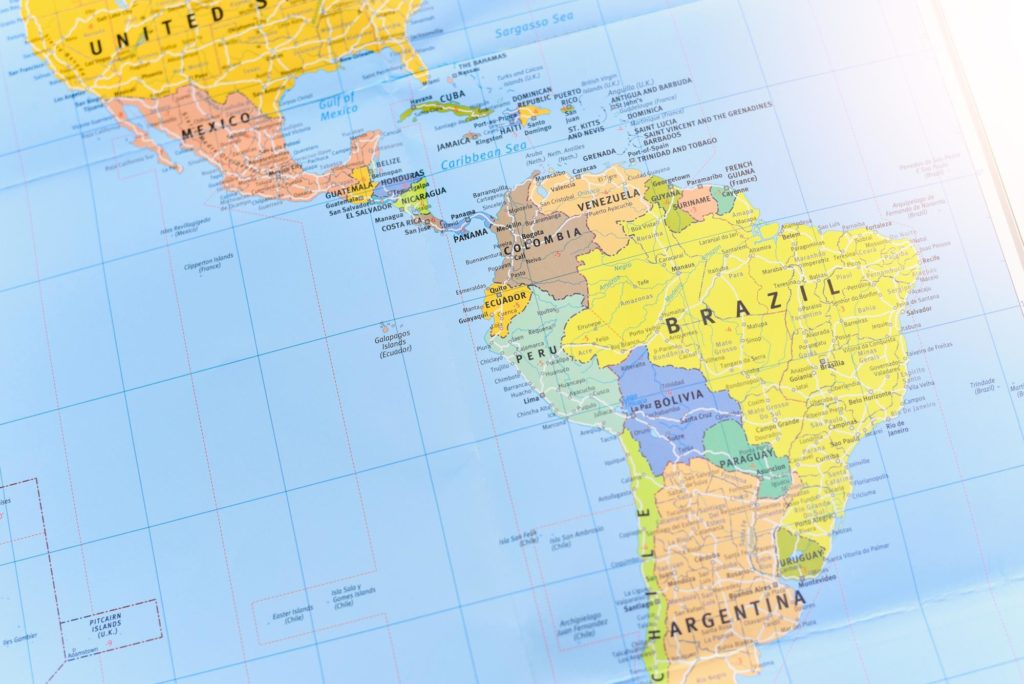
The region will suffer the worst economic contraction in its history this year, according to the Economic Commission for Latin America and the Caribbean (ECLAC).
The region will suffer the worst economic contraction in its history this year, according to the Economic Commission for Latin America and the Caribbean (ECLAC). (Photo: internet reproduction)

Is there a historical precedent that can help the region to overcome this crisis?

“I’m afraid the answer is no,” replies Adam Tooze, economic historian, author, and professor at Columbia University in New York. “Because we’ve never really had an experience like this.”

After the 2008 and 2009 global financial crisis, the Chinese government reacted with a massive public spending package to boost its economy, and this helped the countries from which it buys raw materials, such as Brazil, Argentina, and Chile. But this time, Beijing did not announce a similar package, which seems bad news for these Latin American nations. The export market is a crucial engine of the global economic machine, notes Tooze, and is facing significant uncertainty today.

“As for the issue of being able to restore the growth engine, we simply have no experience with a shock of this magnitude happening simultaneously around the world,” he added. “It’s terrifying. It’s extraordinary. And I believe it’s important to be realistic about the magnitude of this shock.”

Faced with a lack of options, Latin Americans must demand that their governments make the debt worthwhile. In other words, that spending is efficient, transparent and, above all, temporary, because there is a risk that the State will settle for a higher level of spending and that it will be up to the younger generations to pay off the debt with high tax burdens in the future.

The rescue that won’t come

The UN also called for wealthy countries to offer emerging economies, such as Latin Americans, a bailout similar to the Marshall Plan and, in their recent meetings, the boards of the International Monetary Fund (IMF) and the World Bank (WB) were close to negotiating a global bailout fund for the neediest economies – but the US blocked it.

“I am critical of the Marshall Plan’s nostalgia, and the people who advocate for the Marshall Plan model radically underestimate the very different context in which it was launched,” Tooze says. “The plan was launched in a world where there was no private debt at all. The existing debt was from government to government and included a clear control of the balance of payments.”

The world is different today, says Tooze, author of the book ‘Crashed: How a decade of financial crises changed the world.’ Governments not only receive loans from other governments or multilateral organizations, such as the IMF and WB, but they also issue debt bonds to private banks and international funds.

The case of Argentina demonstrates the vulnerabilities of this private debt: today, despite having reached an agreement on its debt with the IMF, it is the private creditors who refuse to receive lower payments for a US$66.24 billion debt. Argentina’s debt is equivalent to about 90 percent of its GDP, a level that the IMF describes as “unsustainable.” On Friday, a US$503 million bond matures that creditors do not expect to receive.

According to Tooze, the risk of a Marshall Plan rescue package today is that the money will be used to pay off what is owed to banks and private funds, rather than to promote economic reconstruction measures. In other words, when a country receives a transfer of relief funds, a country that owes money to a bank could spend those funds on its interest payments rather than investing in infrastructure or economic reactivation programs.

So, as the UN points out, any support exchange would have to include capital control measures, so that it would not end up in the coffers of a private bank on Wall Street. Kenneth Rogoff, a former chief economist for the IMF and professor of economics and public policy at Harvard University, agrees and strongly advocates for a suspension of debt payments from emerging countries, including payments to private creditors.

Source: El País

Read More from The Rio Times

The Rio Times · Power Map
See who really holds power in Latin America
Click to open the Power Map

Rotate for Best Experience

This report is optimized for landscape viewing. Rotate your phone for the full experience.