Kenya Work Permit Guide for Foreigners: Fees, Investor Rules and Entry
Kenya · Living and Working
Key Facts
- —What you need Foreigners who want to work, invest or retire in Kenya need a permit or pass from the Directorate of Immigration Services.
- —What it costs An employment permit costs 500,000 Kenyan shillings (about US$3,860) a year, plus a 20,000-shilling processing fee (about US$154).
- —For investors The Class G investor permit requires proof of at least US$100,000 in capital to be invested in Kenya.
- —For remote workers A Class N digital nomad permit costs US$1,000 a year plus a US$200 processing fee.
- —For visitors Most tourists need an electronic travel authorisation, which costs US$30 for a single entry.
- —The catch A rule requiring visitors to hold at least US$50,000 of health cover is suspended by the High Court, not withdrawn.
Kenya lets many visitors in easily, but living or working there needs a permit with an annual fee. Here is what each route costs and demands.
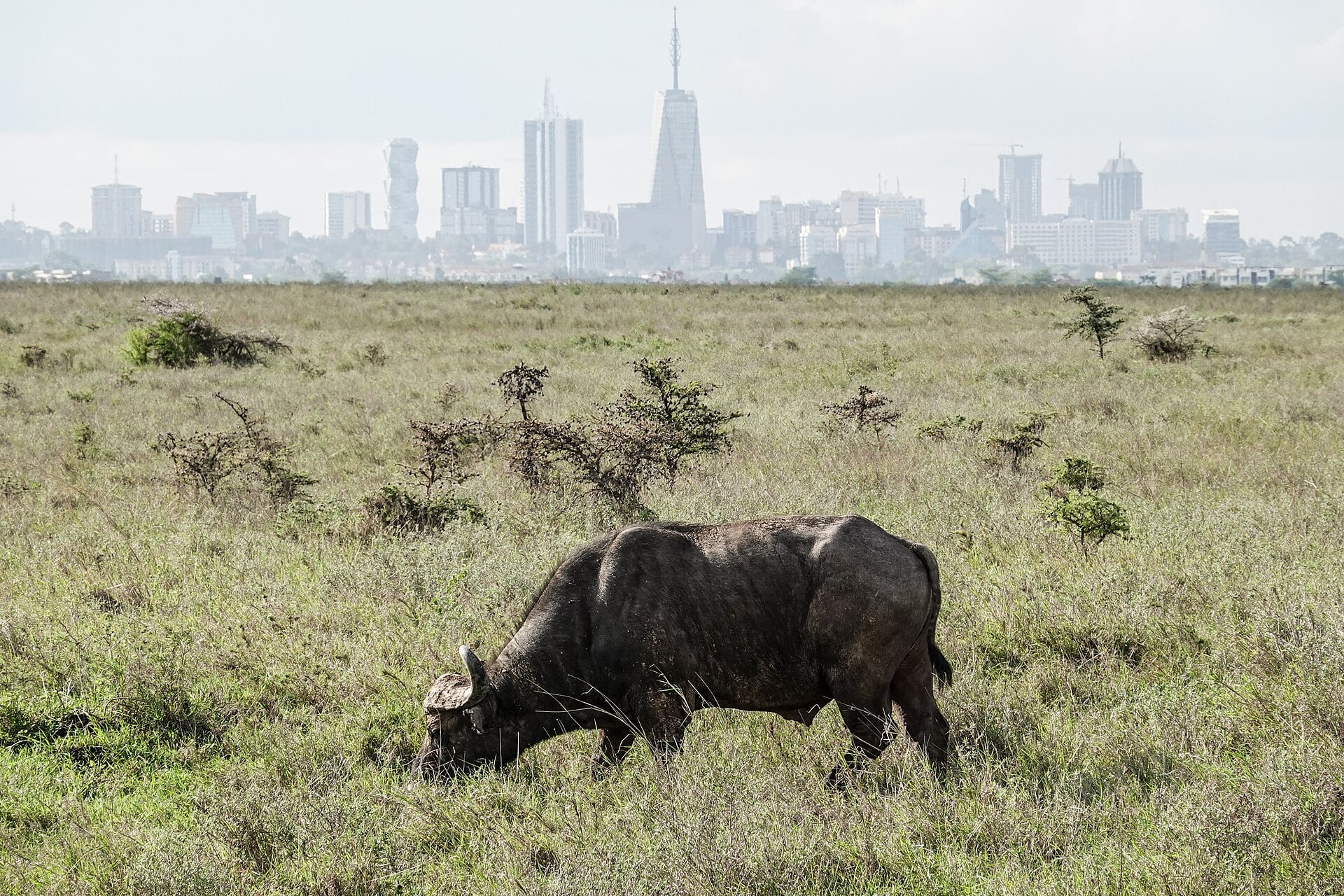
A Kenya work permit is the document that separates a visitor from a resident. Tourists can enter with little paperwork, but anyone who wants to work, invest or retire there needs a permit.
Permits are issued by the Directorate of Immigration Services, part of the Interior Ministry. Applications are filed online through its Foreign Nationals Services portal, known as eFNS.
Fees below are converted at a rate of 129.49 Kenyan shillings to the US dollar. That is the Central Bank of Kenya’s daily rate posted on 21 September 2026.
Getting in: the electronic travel authorisation
Most visitors need an electronic travel authorisation, or eTA, approved before they fly. Kenya introduced the online system in 2024 in place of its old visa regime.
A standard single-entry eTA costs US$30, and a transit eTA costs US$20. A one-year multiple-entry version costs US$300, according to the official eTA website.
Applications are usually processed in three days. The Directorate advises applying at least two weeks before travel, and says an eTA is not a final guarantee of entry.
Many travellers are now exempt under amended rules issued in 2025. The East African Community is a regional bloc of Kenya and its neighbours.
Citizens of six member states may stay up to 180 days without an eTA. They are Burundi, DR Congo, Rwanda, South Sudan, Tanzania and Uganda.
Nationals of a list that includes South Africa, Ghana, Ethiopia, Malaysia and Singapore may stay up to 90 days. Most other African nationals, including Nigerians and Egyptians, get 60 days.
The insurance rule that is on hold
On 30 July 2026, Health Cabinet Secretary Aden Duale published Gazette Notice No. 11492. It required foreigners staying under 12 months to hold travel health cover of at least US$50,000.
In late August 2026, High Court judge Francis Rayola Olel suspended the rule pending a full hearing. The challenge was brought by two petitioners, while the Consumers Federation of Kenya filed a separate case.
Business Daily, a Nairobi business newspaper, reported on 16 September 2026 that court cases were still stalling the rollout. Travellers should watch for a final ruling.
Working for an employer: Class D
The standard Kenya work permit for employees is Class D. It costs 500,000 Kenyan shillings (about US$3,860) a year, plus a non-refundable processing fee of 20,000 shillings (about US$154).
The employer must show it could not fill the job from the local labour pool. It must also name a Kenyan understudy who will be trained to take over.
Those fees took effect on 1 April 2024 under a government notice of 14 November 2023. The Class D charge rose from 200,000 shillings (about US$1,545), according to advisory firm Vialto Partners.

Investors: the Class G permit
Class G covers foreigners who set up a trade, business or consultancy. Applicants must give documentary proof of capital to be invested of at least US$100,000.
The permit costs 250,000 shillings (about US$1,930) a year after the same 20,000-shilling processing fee (about US$154). Applicants also need company registration papers, a shareholder register and a tax compliance certificate.
The Kenya Investment Authority, the state agency that promotes investment and is known as Invest Kenya, helps investors through the process.
Its chief executive, John Mwendwa, told Business Daily in July 2026 that the agency was considering a so-called golden visa. “We are exploring residency by investment,” he said.
No threshold has been set, and he said any scheme would need legislation. A similar plan was first floated in 2019 but never put in place.
Remote workers and retirees
The Class N digital nomad permit was created by amendments to the immigration regulations in 2024. It is for people working remotely for foreign employers or serving clients abroad.
It costs US$1,000 a year plus a US$200 processing fee, and is issued for one or two years. Applicants submit three months of bank statements or payslips.
The official Class N page lists no income minimum. Law firm CMS says the 2024 regulations require an assured income of US$55,000 from sources outside Kenya.
Holders may not work for Kenyan employers, according to the same CMS summary.
Retirees and other financially independent people aged 35 or over can seek a Class K permit. They need an assured income of at least US$24,000 a year from abroad or from a pension.
The Directorate lists a Class K fee of 250,000 shillings (about US$1,930) a year. Class K holders may not take any job or earn income without a permit of the relevant class.
Families and East Africans
Spouses and children of permit holders apply for a dependant’s pass costing 10,000 shillings (about US$77). Dependants of Kenyan citizens pay 20,000 shillings (about US$154).
Citizens of East African Community member states pay no permit fees, according to the Directorate. For everyone else, the annual fee is a recurring cost worth budgeting before signing a lease.
More: Africa coverage, every day from The Rio Times.
Frequently Asked Questions
How much does a Kenya work permit cost?
It depends on the class. An employment permit, Class D, costs 500,000 Kenyan shillings (about US$3,860) a year, and an investor permit, Class G, costs 250,000 shillings (about US$1,930). Both carry a non-refundable processing fee of 20,000 shillings (about US$154). Citizens of East African Community states pay no fee.
How much must I invest for a Kenyan investor permit?
The Class G permit requires documentary proof of capital to be invested of at least US$100,000. Applicants also submit company incorporation papers, a shareholder register and tax compliance certificates. Kenya has no residency-by-investment programme yet, though Invest Kenya said in July 2026 that it was exploring one.
Does Kenya have a digital nomad visa?
Yes. The Class N permit, created in 2024, is for remote workers employed abroad or serving foreign clients. It costs US$1,000 a year plus a US$200 processing fee and is issued for one or two years. Holders may not work for Kenyan employers.
Do I need an eTA to visit Kenya?
Most visitors do, and a single-entry eTA costs US$30. Citizens of six East African Community states, Burundi, DR Congo, Rwanda, South Sudan, Tanzania and Uganda, are exempt under 2025 rules, as are nationals of dozens of African, Caribbean, Pacific and Asian countries. Holders of Kenyan permits and passes are also exempt.
Sources: Directorate of Immigration Services on permit classes, Class D employment permit, Class G investor permit, Invest Kenya eProcedures on the Class G permit, Class K residence permit, eFNS portal on the Class N digital nomad permit, Dependant’s pass, eTA fees, eTA exemptions and processing, Vialto Partners on the 2024 fee schedule, CMS on the 2024 digital nomad regulations, Kenyans.co.ke on the insurance suspension, Pulse Kenya on the insurance rule, Business Daily on the stalled rollout, TechCabal on the residency-by-investment plan, Central Bank of Kenya exchange rates
This article was produced by The Rio Times’ automated newsroom system. How we use AI · Report an error
Read More from The Rio Times