In a suprising move, Japan’s Prime Minister Fumio Kishida announced his resignation on Wednesday.
He will end his tenure less than two years after taking office. Appointed in October 2021, Kishida has faced persistently low approval ratings, worsened by controversies surrounding his party.
The Liberal Democratic Party (LDP), led by Kishida, became mired in scandals. These included ties with the Korea-based Unification Church, exposed after former Prime Minister Shinzo Abe’s assassination in July 2022.
Additionally, a fundraising scandal in November implicated up to 80 parliament members and led to four ministers’ resignations.
In response, Kishida tried to dissolve influential factions within the LDP, including one led by Abe, to mitigate the damage.
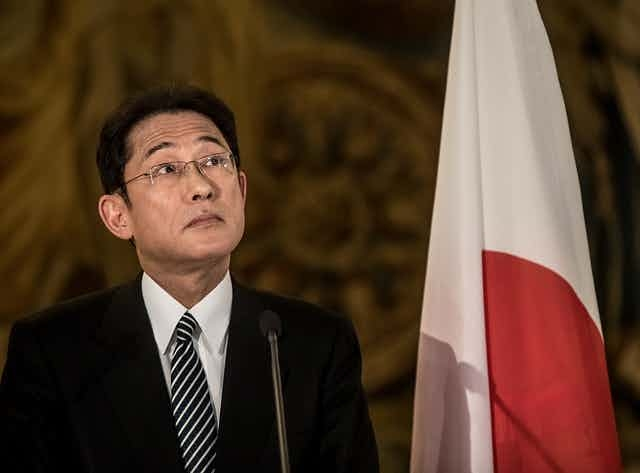
Despite these efforts and a new political fund control law passed in June—deemed insufficient by critics—public dissatisfaction remained high.
Recent polls showed 74% of respondents opposing Kishida’s continuation as party leader after the LDP’s September leadership election.
Despite strong diplomatic performances, including NATO’s 75th-anniversary attendance and hosting a Pacific Islands meeting, these did not improve his domestic standing.
Candidates are positioning for the upcoming leadership race. Former Defense Minister Shigeru Ishiba and LDP Secretary-General Toshimitsu Motegi are front-runners.
The contest might also include Japan’s first female prime minister candidates, Economic Security Minister Sanae Takaichi and Foreign Minister Yoko Kamikawa.
The next leader will face the task of revitalizing Japan’s “New Capitalism” policy to stimulate economic growth.
A weak yen has increased export profits but also raised import costs, straining consumers, particularly those on fixed incomes or in unstable jobs.
A recent Bank of Japan interest rate hike also caused stock market volatility, highlighting economic challenges.
Japan’s PM Kishida Resigns Amid Scandals and Low Approval
As Japan deals with these political and economic challenges, the LDP is likely to remain in power despite a fragmented opposition.
The incoming prime minister must tackle these issues and a potentially worsening security environment, depending on global geopolitical shifts.
This leadership change occurs at a crucial moment for Japan, as it seeks stability and reform amidst ongoing political scandals and economic difficulties.
The outcome of the next election will significantly influence Japan’s domestic and international future.
This article was produced by The Rio Times’ automated newsroom system. How we use AI · Report an error
Read More from The Rio Times