IBOV 171,336.99 ▼ 0.52% IPC MEX 71,905.78 ▲ 0.05% MERVAL 2,848,945 — — USD/BRL5.56▼ 0.40% USD/MXN18.67▲ 0.25% USD/CLP982.91▼ 0.13% USD/COP3,293▲ 0.57% USD/PEN3.41▲ 0.04% USD/ARS1,548▲ 0.15% USD/UYU40.43▲ 3.48% USD/PYG6,196▲ 2.20% USD/BOB11.68▲ 1.36% USD/DOP60.81▲ 0.68% USD/CRC445.62▲ 1.58% USD/GTQ7.64▲ 2.97% USD/HNL26.89▲ 0.13% USD/NIO36.62▲ 1.17% USD/VES899.36▼ 0.13% USD/PAB1.00— 0.00% USD/BZD2.00— 0.00% USD/JMD157.69▲ 2.46% USD/TTD6.72▲ 2.30% EUR/BRL6.18▲ 0.09% BRENT 93.01 ▲ 1.66% WTI 87.43 ▲ 1.62% IRON ORE 161.91 — — COPPER 6.29 ▲ 1.05% GOLD 4,046 ▲ 0.39% SILVER 52.73 ▲ 3.18% SOY 1,225 ▲ 0.02% CORN 447.25 ▼ 0.39% WHEAT 594.00 ▲ 0.21% COFFEE 264.35 ▼ 2.60% SUGAR 18.21 ▲ 0.66% ORANGE JUICE 146.15 ▲ 5.64% COTTON 82.59 ▲ 4.96% COCOA 4,948 ▲ 4.34% BEEF 219.15 ▲ 1.36% CATTLE 330.48 ▲ 0.65% LITHIUM 59.98 ▼ 2.23% PETR4 43.98 ▼ 2.16% VALE3 65.17 ▲ 0.57% ITUB4 41.60 ▲ 0.97% BBDC4 14.77 ▲ 1.58% ABEV3 15.84 ▲ 0.32% BBAS3 17.29 ▲ 1.11% B3SA3 14.73 ▲ 1.73% WEGE3 51.19 ▲ 0.47% PRIO3 61.14 ▲ 1.87% SUZB3 54.19 ▼ 0.50% RENT3 30.28 ▲ 1.64% AZZA3 15.02 ▲ 1.97% CSAN3 2.79 ▲ 4.10% RAIZ4 0.30 ▼ 98.77% PCAR3 2.58 ▲ 0.78% GMAT3 3.92 ▲ 2.89% PSSA3 46.26 ▼ 0.88% CVCB3 0.87 ▲ 1.16% POSI3 3.21 ▲ 1.90% SLCE3 17.26 ▲ 0.99% NATU3 5.62 ▲ 1.26% BRKM5 2.97 ▲ 1.71% RANI3 8.48 ▲ 0.36% CSNA3 4.44 ▲ 1.37% IBOV 171,336.99 ▼ 0.52% IPC MEX 71,905.78 ▲ 0.05% MERVAL 2,848,945 — — USD/BRL 5.56 ▼ 0.37% USD/MXN 18.67 ▲ 0.22% USD/CLP 982.30 ▼ 0.20% USD/COP 3,285 ▲ 0.34% USD/PEN 3.41 ▲ 0.02% USD/ARS 1,551 ▲ 0.34% USD/UYU 40.43 ▲ 3.48% USD/PYG 6,196 ▲ 2.20% USD/BOB 11.68 ▲ 1.36% USD/DOP 60.81 ▲ 0.68% USD/CRC 445.62 ▲ 1.58% USD/GTQ 7.64 ▲ 3.18% USD/HNL 26.89 ▲ 0.13% USD/NIO 36.62 ▲ 1.17% USD/VES 899.36 ▼ 0.13% USD/PAB 1.00 — 0.00% USD/BZD 2.00 — 0.00% USD/JMD 157.69 ▲ 2.46% USD/TTD 6.72 ▲ 2.30% EUR/BRL 6.18 ▲ 0.13% BRENT 93.01 ▲ 1.66% WTI 87.43 ▲ 1.62% IRON ORE 161.91 — — COPPER 6.29 ▲ 1.05% GOLD 4,046 ▲ 0.39% SILVER 52.73 ▲ 3.18% SOY 1,225 ▲ 0.02% CORN 447.25 ▼ 0.39% WHEAT 594.00 ▲ 0.21% COFFEE 264.35 ▼ 2.60% SUGAR 18.21 ▲ 0.66% ORANGE JUICE 146.15 ▲ 5.64% COTTON 82.59 ▲ 4.96% COCOA 4,948 ▲ 4.34% BEEF 219.15 ▲ 1.36% CATTLE 330.48 ▲ 0.65% LITHIUM 59.98 ▼ 2.23% PETR4 43.98 ▼ 2.16% VALE3 65.17 ▲ 0.57% ITUB4 41.60 ▲ 0.97% BBDC4 14.77 ▲ 1.58% ABEV3 15.84 ▲ 0.32% BBAS3 17.29 ▲ 1.11% B3SA3 14.73 ▲ 1.73% WEGE3 51.19 ▲ 0.47% PRIO3 61.14 ▲ 1.87% SUZB3 54.19 ▼ 0.50% RENT3 30.28 ▲ 1.64% AZZA3 15.02 ▲ 1.97% CSAN3 2.79 ▲ 4.10% RAIZ4 0.30 ▼ 98.77% PCAR3 2.58 ▲ 0.78% GMAT3 3.92 ▲ 2.89% PSSA3 46.26 ▼ 0.88% CVCB3 0.87 ▲ 1.16% POSI3 3.21 ▲ 1.90% SLCE3 17.26 ▲ 0.99% NATU3 5.62 ▲ 1.26% BRKM5 2.97 ▲ 1.71% RANI3 8.48 ▲ 0.36% CSNA3 4.44 ▲ 1.37%
since 2009
Wednesday, November 11, 2026

Japan’s Delicate Balance: Pursuing Truth While Protecting Free Speech in the Disinformation Age

By · · 3 min read

(Analysis) In recent times, the Japanese government has taken significant steps toward crafting legislation to combat the rampant spread of disinformation.

This shift marks a substantial effort to align more closely with global standards, particularly those set by bodies like the United Nations Human Rights Council.

The Council has underscored the importance of protecting free speech while addressing false information.

Free daily brief — no card needed
Get every East Asia story in one morning email
We build you a personalized brief around the topics you follow — free for 7 days. Love it? Your first month after that is US$1.

The Center for Strategic and International Studies (CSIS) has observed that Japan had previously lagged in its efforts against disinformation.

However, a new vigor in international cooperation, especially with the United States, suggests a robust commitment to reversing this trend.
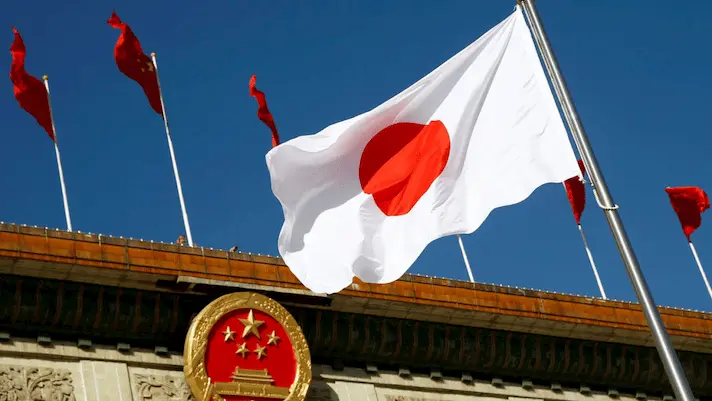
Japan's Delicate Balance: Pursuing Truth While Protecting Free Speech in the Disinformation Age
Japan’s Delicate Balance: Pursuing Truth While Protecting Free Speech in the Disinformation Age.
RT
Ask Rio Times
17 years of Latin America reporting, on demand.
Open the full Ask Rio Times →

Both nations, alongside other global partners, recognize the urgent need to address disinformation, often weaponized by authoritarian regimes.

The LatAm Brief

One email, every weekday morning. What moved in Latin American markets, politics and expat life.

Yesterday’s subject line: “Petrobras to pay shareholders US$2.7 billion”

Free. We send a confirmation link first — nothing arrives until you click it. Unsubscribe with one click in any edition. If you stop opening us for 30 days we stop sending by ourselves, as we assume the interest is no longer there. See our privacy policy. We never share your email.

Japan’s Ministry of Internal Affairs and Communications is at the forefront of this change. Proposed regulations demand greater transparency and accountability from internet companies.

These businesses may soon be required to develop systems to actively identify and mitigate disinformation.

This includes enhanced scrutiny of the content and advertisers that might propagate misleading information. The urgency of these measures is palpable.

Reports indicate that the Japanese government is prepared to implement these rules swiftly, ensuring that any detected disinformation is addressed promptly.

This response is crucial in an era where digital misinformation can spread globally within seconds, necessitating immediate and decisive action.

However, the path is fraught with challenges. Drafts of the proposed laws have sparked debates about potential overreach and the implications for free speech.

The delicate balance between curbing harmful misinformation and preserving open dialogue is a contentious issue worldwide.

Critics warn that without carefully crafted laws, there’s a risk of stifling legitimate discourse under the guise of preventing disinformation.

Balancing Free Speech and Disinformation Regulation

Critiques from various regions highlight the complexities involved in regulating disinformation without infringing on free speech.

Experts caution that overly broad definitions of disinformation can lead to censorship, suppress dissent, and limit public debate.

Such laws, if not narrowly tailored, could be used to silence criticism of the government, potentially stifling democratic engagement.

Despite these challenges, the narrative within Japan is shifting towards a more proactive stance against disinformation.

The government’s draft proposal emphasizes the need for entities to respond quickly to allegations of misinformation.

In addition, this reflects a broader global movement towards rapid responsiveness in the digital age.

As Japan moves towards finalizing and enacting these new laws, the international community watches closely.

Japan’s approach will offer valuable lessons on balancing freedom and truth in the digital world. It will serve as a crucial case study for other nations grappling with similar issues.

The global community’s role in establishing standards and fostering cooperation will be pivotal in ensuring that efforts to combat disinformation strengthen democratic discourse.

These efforts should aim to reinforce, rather than undermine, the integrity of democratic dialogue.

This article was produced by The Rio Times’ automated AI newsroom. Editorial responsibility: Matthias Camenzind, Publisher and Editor-in-Chief. The Rio Times also runs Ask Rio Times, which answers from 100,000+ of our own articles, the daily Latin America Power Map, and prediction-market odds on elections and markets.. How we use AI · Report an error

The Rio Times · Power Map
See who really holds power in Latin America
Click to open the Power Map →

Brazil runoff date: Sunday, October 25, poll closing times and when results start · Brazil runoff polls: Flávio 51%, Lula 49% · Kalshi and Polymarket odds

Rotate for Best Experience

This report is optimized for landscape viewing. Rotate your phone for the full experience.