Japan’s Changing Role: Hosting U.S. HIMARS Signals New Security Stance
The US decision to deploy HIMARS rocket launchers to Japan’s southern islands marks a pivotal moment in East Asian security. This move reshapes the military landscape and signals a new phase in US-China relations.
HIMARS, a mobile rocket system with a 300-kilometer range, will be stationed on the Nansei Islands. These islands form a strategic chain stretching from Japan towards Taiwan.
The deployment aims to counter China’s growing military presence in the region. China sees this as a direct challenge to its interests, particularly regarding Taiwan.
Chinese analysts argue that the US seeks to block their access to waters east of Taiwan. This deployment fits into a larger US strategy to contain China‘s military expansion.
The move also reflects Japan’s evolving role in regional security. By hosting these advanced weapons, Japan steps away from its traditional pacifist stance. This shift aligns with recent increases in Japanese defense spending.
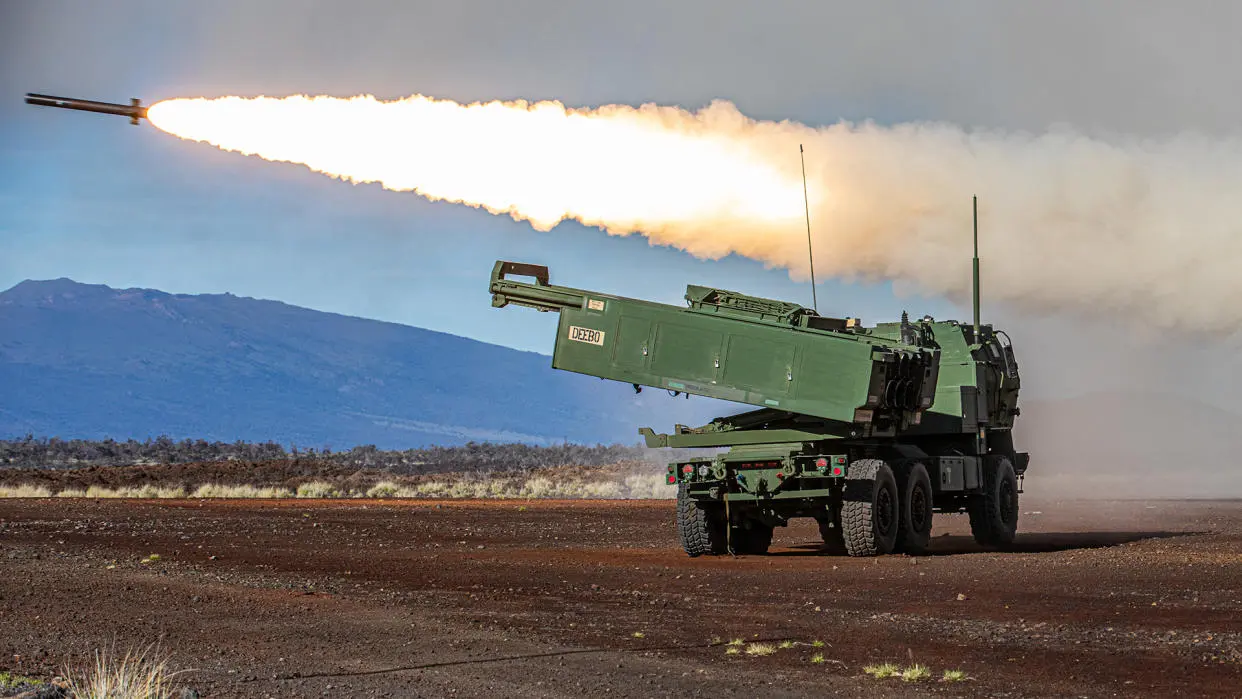
US-Japan cooperation extends beyond HIMARS. Their joint plan includes installing missile units in the Philippines, further strengthening the defensive line against China.
HIMARS Deployment in the Asia-Pacific
This broader strategy aims to maintain US influence in the Asia-Pacific region. The deployment occurs against a backdrop of rising tensions over Taiwan.
China views Taiwan as a breakaway province, while the US opposes forceful reunification. Japan’s growing concern over potential conflict adds another layer to this complex situation.
This strategic shift carries significant implications. It could escalate an arms race in the region and impact economic relationships. Environmental concerns also arise, as increased military activity may affect the Nansei Islands’ ecosystems.
The HIMARS deployment represents more than a military move. It symbolizes changing power dynamics in East Asia. As the US reinforces its position, China may feel pressured to respond.
This could lead to increased tensions and potential conflicts. The long-term effects of this strategic decision remain uncertain. It will likely influence regional stability, international relations, and economic ties for years to come.
This article was produced by The Rio Times’ automated newsroom system. How we use AI · Report an error
Read More from The Rio Times