Prime Minister Shigeru Ishiba is about to unveil a massive $140 billion stimulus package. This bold move aims to tackle Japan’s persistent economic woes.
The package, totaling 21.9 trillion yen, is slightly larger than last year’s measures. Ishiba’s plan comes at a critical time. Japan faces rising inflation and stagnant wage growth.
The stimulus seeks to boost consumer spending and ease the cost-of-living crunch. It includes energy subsidies, cash handouts to low-income households, and investments in tech sectors.
The package’s overall impact could reach 39 trillion yen when combined with private sector spending. This ambitious plan, however, faces significant hurdles.
Ishiba’s Liberal Democratic Party lost its parliamentary majority in recent elections. Now, he must negotiate with opposition parties to pass the budget.
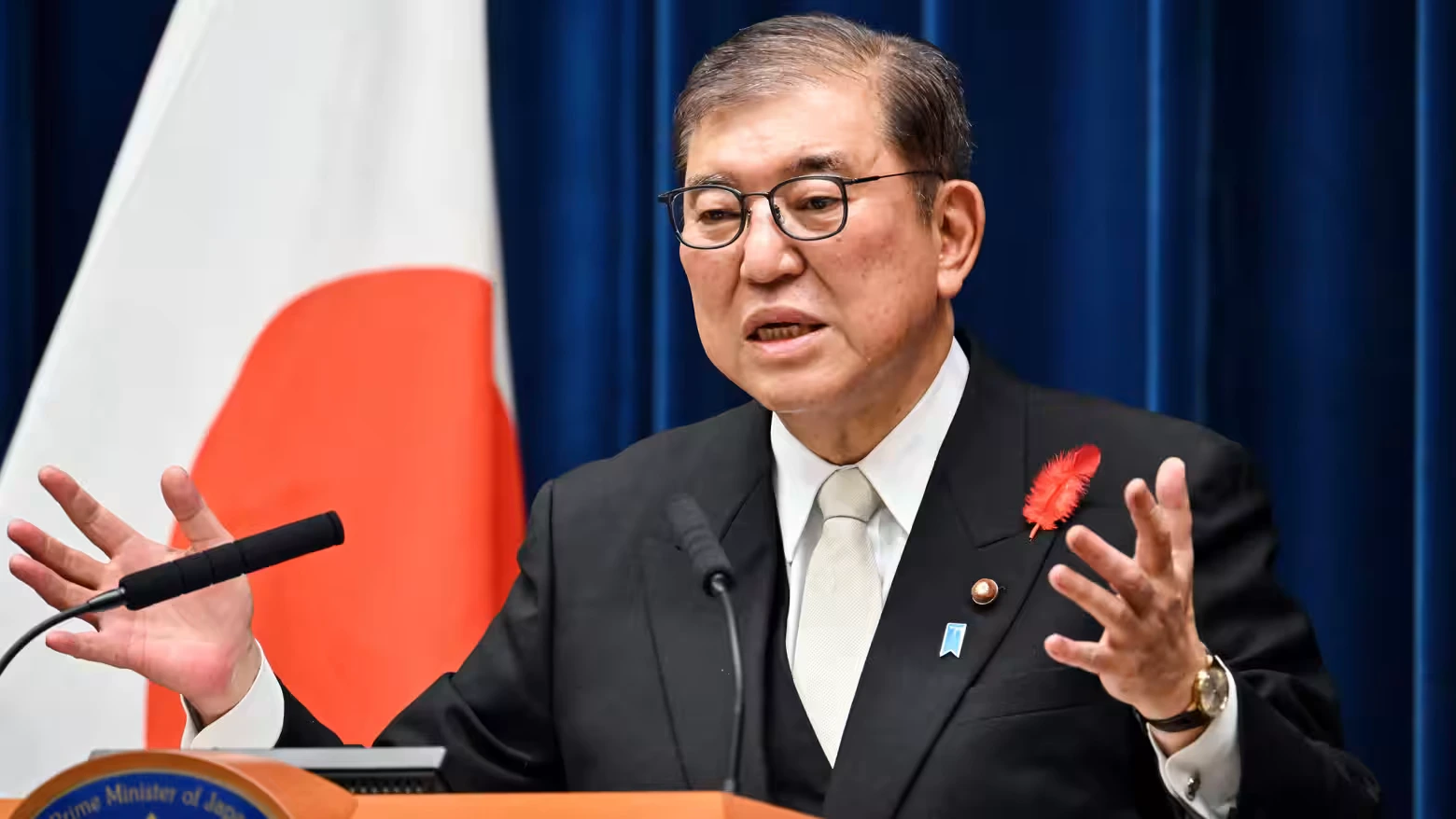
To gain support, Ishiba agreed to raise the tax-free income threshold. This concession could strain Japan‘s already precarious fiscal health. The country has the highest debt-to-GDP ratio among developed nations.
In addition, the success of this stimulus package could shape Japan’s economic future. It’s a high-stakes gamble that balances short-term relief against long-term fiscal stability.
As the world’s fourth-largest economy, Japan’s economic health has global implications. Ishiba’s ability to navigate these political and economic challenges will be crucial.
The outcome could determine whether Japan can break free from its long-standing economic stagnation or sink deeper into debt.
This article was produced by The Rio Times’ automated newsroom system. How we use AI · Report an error
Read More from The Rio Times