IBOV 172,470.78 ▲ 0.66% IPC MEX 71,905.78 ▲ 0.05% MERVAL 2,848,945 — — USD/BRL5.56▼ 0.46% USD/MXN18.61▼ 0.10% USD/CLP983.51▼ 0.07% USD/COP3,273▼ 0.03% USD/PEN3.41▼ 0.05% USD/ARS1,544▼ 0.11% USD/UYU40.52▲ 3.70% USD/PYG6,174▲ 1.84% USD/BOB11.63▲ 0.92% USD/DOP60.48▲ 0.13% USD/CRC446.01▲ 1.66% USD/GTQ7.64▲ 3.18% USD/HNL26.90▲ 0.20% USD/NIO36.62▲ 1.17% USD/VES899.36▼ 0.13% USD/PAB1.00— 0.00% USD/BZD2.00— 0.00% USD/JMD157.49▲ 2.33% USD/TTD6.72▲ 2.23% EUR/BRL6.17▼ 0.18% BRENT 92.99 ▲ 1.64% WTI 86.94 ▲ 1.05% IRON ORE 161.91 — — COPPER 6.29 ▲ 1.13% GOLD 4,003 ▼ 0.69% SILVER 52.03 ▲ 1.81% SOY 1,232 ▲ 0.61% CORN 446.25 ▼ 0.61% WHEAT 597.50 ▲ 0.80% COFFEE 264.75 ▼ 2.45% SUGAR 18.50 ▲ 2.27% ORANGE JUICE 146.05 ▼ 0.48% COTTON 82.35 ▲ 4.65% COCOA 5,054 ▲ 6.58% BEEF 218.28 ▼ 0.42% CATTLE 326.90 ▼ 1.04% LITHIUM 61.19 ▲ 2.02% PETR4 44.20 ▼ 1.67% VALE3 64.48 ▼ 0.49% ITUB4 41.73 ▲ 1.29% BBDC4 14.48 ▼ 0.41% ABEV3 15.78 ▼ 0.06% BBAS3 17.12 ▲ 0.12% B3SA3 14.75 ▲ 1.86% WEGE3 51.90 ▲ 1.86% PRIO3 61.48 ▲ 2.43% SUZB3 54.35 ▼ 0.20% RENT3 30.14 ▲ 1.17% AZZA3 15.03 ▲ 2.04% CSAN3 2.93 ▲ 9.33% RAIZ4 0.30 ▼ 98.77% PCAR3 2.60 ▲ 1.56% GMAT3 3.99 ▲ 4.72% PSSA3 45.81 ▼ 1.84% CVCB3 0.89 ▲ 3.49% POSI3 3.26 ▲ 3.49% SLCE3 17.11 ▲ 0.12% NATU3 5.58 ▲ 0.54% BRKM5 2.94 ▲ 0.68% RANI3 8.45 — 0.00% CSNA3 4.43 ▲ 1.14% IBOV 172,470.78 ▲ 0.66% IPC MEX 71,905.78 ▲ 0.05% MERVAL 2,848,945 — — USD/BRL 5.56 ▼ 0.41% USD/MXN 18.60 ▼ 0.11% USD/CLP 983.43 ▼ 0.08% USD/COP 3,273 ▼ 0.03% USD/PEN 3.41 ▼ 0.04% USD/ARS 1,544 ▼ 0.11% USD/UYU 40.52 ▲ 3.70% USD/PYG 6,174 ▲ 1.84% USD/BOB 11.63 ▲ 0.92% USD/DOP 60.48 ▲ 0.13% USD/CRC 446.01 ▲ 1.66% USD/GTQ 7.64 ▲ 3.18% USD/HNL 26.90 ▲ 0.20% USD/NIO 36.62 ▲ 1.17% USD/VES 899.36 ▼ 0.13% USD/PAB 1.00 — 0.00% USD/BZD 2.00 — 0.00% USD/JMD 157.49 ▲ 2.33% USD/TTD 6.72 ▲ 2.23% EUR/BRL 6.17 ▼ 0.18% BRENT 92.99 ▲ 1.64% WTI 86.94 ▲ 1.05% IRON ORE 161.91 — — COPPER 6.29 ▲ 1.13% GOLD 4,003 ▼ 0.69% SILVER 52.03 ▲ 1.81% SOY 1,232 ▲ 0.61% CORN 446.25 ▼ 0.61% WHEAT 597.50 ▲ 0.80% COFFEE 264.75 ▼ 2.45% SUGAR 18.50 ▲ 2.27% ORANGE JUICE 146.05 ▼ 0.48% COTTON 82.35 ▲ 4.65% COCOA 5,054 ▲ 6.58% BEEF 218.28 ▼ 0.42% CATTLE 326.90 ▼ 1.04% LITHIUM 61.19 ▲ 2.02% PETR4 44.20 ▼ 1.67% VALE3 64.48 ▼ 0.49% ITUB4 41.73 ▲ 1.29% BBDC4 14.48 ▼ 0.41% ABEV3 15.78 ▼ 0.06% BBAS3 17.12 ▲ 0.12% B3SA3 14.75 ▲ 1.86% WEGE3 51.90 ▲ 1.86% PRIO3 61.48 ▲ 2.43% SUZB3 54.35 ▼ 0.20% RENT3 30.14 ▲ 1.17% AZZA3 15.03 ▲ 2.04% CSAN3 2.93 ▲ 9.33% RAIZ4 0.30 ▼ 98.77% PCAR3 2.60 ▲ 1.56% GMAT3 3.99 ▲ 4.72% PSSA3 45.81 ▼ 1.84% CVCB3 0.89 ▲ 3.49% POSI3 3.26 ▲ 3.49% SLCE3 17.11 ▲ 0.12% NATU3 5.58 ▲ 0.54% BRKM5 2.94 ▲ 0.68% RANI3 8.45 — 0.00% CSNA3 4.43 ▲ 1.14%
since 2009
Wednesday, November 11, 2026

Honda Targets 1,000km EV Range with New Battery Technology

By · · 3 min read

Honda Motor is set to revolutionize electric vehicle (EV) technology with its ambitious solid-state battery project. The Japanese automaker plans to begin test production of these advanced batteries in January 2025, marking a significant shift in energy storage for EVs.

The new production line, located in Tochigi prefecture, Japan, will span 27,400 square meters. Honda is investing 43 billion yen ($278 million) in this venture, aiming to integrate these batteries into new cars by the late 2020s.

Solid-state batteries offer substantial advantages over traditional lithium-ion batteries, including longer driving ranges and enhanced safety.

Free daily brief — no card needed
Get every East Asia story in one morning email
We build you a personalized brief around the topics you follow — free for 7 days. Love it? Your first month after that is US$1.

Honda expects to double EV driving ranges with this technology, potentially extending to 1,000 kilometers per charge for midsized EVs by the 2040s.

Cost reduction is a key focus, with Honda targeting a 25% decrease in battery costs by the late 2020s. The company also plans to reduce battery weight by 35% initially, further improving vehicle efficiency and performance.
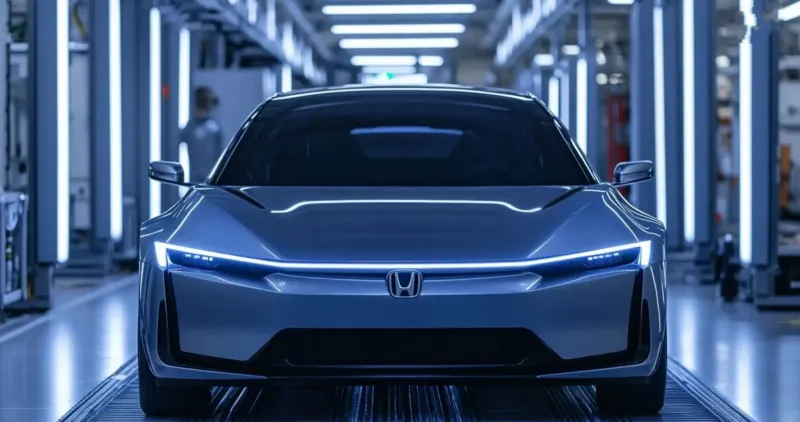
Honda Targets 1,000km EV Range with New Battery Technology
Honda Targets 1,000km EV Range with New Battery Technology.
RT
Ask Rio Times
17 years of Latin America reporting, on demand.
Open the full Ask Rio Times →

This initiative reflects a broader industry trend, with other major automakers like Toyota and Nissan also investing in solid-state battery technology. The competition is driving rapid advancements in the field.

The LatAm Brief

One email, every weekday morning. What moved in Latin American markets, politics and expat life.

Yesterday’s subject line: “Petrobras to pay shareholders US$2.7 billion”

Free. We send a confirmation link first — nothing arrives until you click it. Unsubscribe with one click in any edition. If you stop opening us for 30 days we stop sending by ourselves, as we assume the interest is no longer there. See our privacy policy. We never share your email.

Honda’s In-House Battery Development

Honda’s production facility will maintain extremely low humidity levels to prevent the formation of toxic gases during manufacturing. This move towards in-house battery development aligns with Honda’s goal to phase out gasoline-powered vehicles by 2040.

The potential applications for solid-state batteries extend beyond cars to aircraft and motorcycles, suggesting widespread adoption across various industries.

Japanese companies lead in solid-state battery research, potentially regaining ground in the global battery market currently dominated by Chinese and South Korean firms.

While Honda’s investment represents a significant gamble, success could dramatically reshape the EV landscape. Technical and economic challenges remain, but this bold move may set the stage for a new era in transportation technology.

The development of solid-state batteries could accelerate the global transition to electric mobility, addressing key concerns such as range anxiety and making EVs more accessible to a wider market.to supply EV batteries.

In China, Honda has teamed up with Contemporary Amperex Technology, the leading battery supplier known as CATL. In North America, Honda formed a joint venture with South Korea’s LG group.

Now Honda will develop in-house battery technology to meet its goal of eliminating gasoline-powered vehicles from its product lineup by 2040.

The competition to develop solid-state batteries has intensified worldwide. Toyota Motor aims to roll out a mass-production vehicle with the battery in 2027 or 2028. The range would be 1,200 km or 2.4 times the current maximum range.

IM Motors, a brand under Shanghai-based automaker SAIC Motor, plans to install solid-state batteries in EVs from 2027. Honda is considering using solid-state batteries for other applications, such as aircraft and motorcycles.

This article was produced by The Rio Times’ automated AI newsroom. Editorial responsibility: Matthias Camenzind, Publisher and Editor-in-Chief. The Rio Times also runs Ask Rio Times, which answers from 100,000+ of our own articles, the daily Latin America Power Map, and prediction-market odds on elections and markets.. How we use AI · Report an error

The Rio Times · Power Map
See who really holds power in Latin America
Click to open the Power Map →

Brazil runoff date: Sunday, October 25, poll closing times and when results start · Brazil runoff polls: Flávio 51%, Lula 49% · Kalshi and Polymarket odds

Rotate for Best Experience

This report is optimized for landscape viewing. Rotate your phone for the full experience.