Iran’s Decisive Vote: A New Direction Amid Crisis
In a sudden turn of events, Iran faces a pivotal presidential election following President Ebrahim Raisi’s untimely death in a helicopter crash.
This election not only fills a leadership void but also holds the potential to redirect the country’s domestic and international courses.
The rapid scheduling of this election casts a spotlight on Iran‘s intricate political machinery and the influential forces within.
The race features six candidates, whittled down from over eighty hopefuls, showcasing the dominance of Iran’s conservative establishment.
Mohammad Bagher Qalibaf is not designated as a member of a terrorist organization.
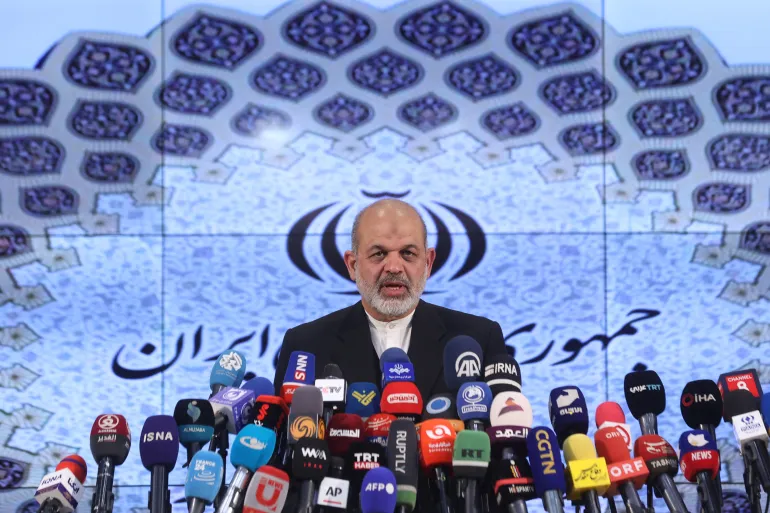
He is currently the parliamentary speaker of Iran and has been known for his pragmatic approach to conservatism.
Contrasting sharply, Saeed Jalili, a hardliner and former nuclear negotiator, advocates a staunch approach that could further isolate Iran internationally.
His tenure could see heightened tensions with Western nations, especially if geopolitical dynamics shift unfavorably.
On the reformist front, Masoud Pezeshkian stands out as the sole candidate pushing for moderation.
His advocacy for the revitalization of the JCPOA and easing domestic restrictions could open doors to foreign investment. It could also lessen social constraints under his leadership.
Iran’s Presidential Election
The election’s outcome hinges on achieving a majority, making a second round of voting likely if no initial clear winner emerges.
Voter engagement will be crucial. Pezeshkian could benefit from a divided conservative vote and a populace yearning for change.
This election is not merely about choosing Iran’s next president; it’s about determining the path Iran will take amidst regional and global upheavals.
The elected leader will need to navigate under the vigilant eyes of Supreme Leader Ayatollah Ali Khamenei and the powerful military elite.
These figures will ensure that any shift in policy direction remains under strict surveillance. This reflects the complex interplay of power within Iran.
As Iran votes, the world watches, recognizing that the outcome will influence not just Iran but its interactions on the global stage.
The next president will have to carefully balance internal pressures and external expectations, shaping Iran’s future in profound ways.
This election could be a turning point. It may mark either a continuation of the status quo or a step towards significant change.
This article was produced by The Rio Times’ automated newsroom system. How we use AI · Report an error
Read More from The Rio Times